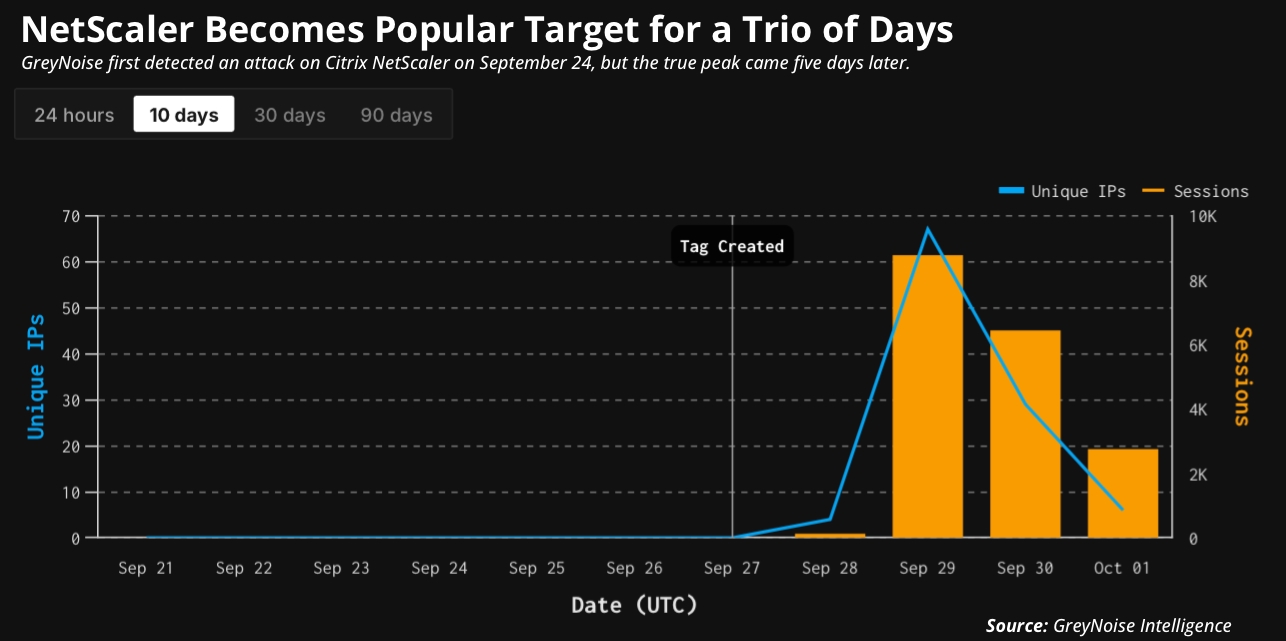
Executive Takeaways
- Drastic Remediation Measures: Recent critical zero-day vulnerabilities in Kiteworks and Citrix platforms forced vendors to issue extreme directives—including instructing enterprise clients to temporarily power down mission-critical data-protection and gateway infrastructure.
- Evolving Threat Actor Sophistication: State-sponsored APT groups and financially motivated ransomware cartels are compressing the exploitation window down to hours, weaponizing unpatched vulnerabilities before telemetry can be established.
- Capital Allocation and ROI Shifts: CISOs and Chief Risk Officers are radically rethinking risk mitigation budgets, pivoting away from reactive patching toward ephemeral architectures, zero-trust containment, and insurance-driven compliance.
- Valuation and Market Liquidity Impacts: Repeated systemic flaws in enterprise-grade perimeter defenses threaten vendor valuation multiples, introducing severe institutional caution and altering M&A due diligence within the B2B tech sector.
The modern enterprise security perimeter is no longer defined by hardened firewalls or perimeter gates, but by the fragility of its constituent code. When critical zero-day vulnerabilities strike core infrastructure platforms, the margin between business continuity and catastrophic data exfiltration narrows to a razor’s edge. Recent high-profile security incidents involving enterprise file-sharing and secure transfer giant Kiteworks and application delivery titan Citrix have once again exposed the profound operational, financial, and architectural challenges plaguing modern incident response. Most notably, the severity of these breaches compelled at least one major vendor to issue a desperate directive to its global enterprise customer base: immediately power down the data-protection platform entirely.
For executive leadership, chief information security officers (CISOs), and institutional investors, this unprecedented guidance marks a watershed moment. It underscores an uncomfortable truth: legacy incident response playbooks—designed around rolling patches, gradual service degradation, and controlled maintenance windows—are wholly inadequate against hyper-accelerated, automated zero-day exploitation campaigns. As regulatory compliance frameworks tighten under SEC mandates and global privacy laws, the systemic fallout from Kiteworks and Citrix incidents demands a comprehensive forensic examination of how enterprises handle vendor risk, infrastructure scalability, and business resilience.
Anatomy of a Crisis: The Escalating Threat of Zero-Day Exploitation
Test Our Free AI & Tech Utilities Suite
Calculate LLM API token costs, analyze article dwell-time, or simulate tech DCA returns.
The October disclosures surrounding Kiteworks and Citrix systems brought long-simmering systemic vulnerabilities in enterprise software supply chains to a boil. Historically, software vendors discovering a zero-day vulnerability would quietly coordinate an emergency patch release, pushing updates through standard deployment channels while advising customers to monitor logs for anomalous behavior. However, the sophistication and speed of contemporary threat actors have rendered this traditional cadence obsolete.
In the incidents investigated by threat intelligence analysts, sophisticated intrusion vectors targeted proprietary codebases and administrative interfaces before signature-based detection mechanisms could even register the anomalies. Because platforms like Kiteworks handle highly sensitive, regulated data—often serving as the central nervous system for intellectual property transfers, mergers and acquisitions data rooms, and cross-border financial transactions—they represent high-value, asymmetric targets for Advanced Persistent Threat (APT) groups.
When the vulnerabilities were confirmed, the speed of weaponization left vendors with very few defensible options. Advising multi-national enterprises to power down their secure data-protection platforms is an economic and operational nuclear option. It halts workflow pipelines, severs secure communications channels with third-party vendors, and freezes business-critical operations. Yet, in the calculus of modern cybersecurity risk management, total isolation was deemed preferable to unchecked data exfiltration.
The Operational Dilemma: Power Down vs. Patch
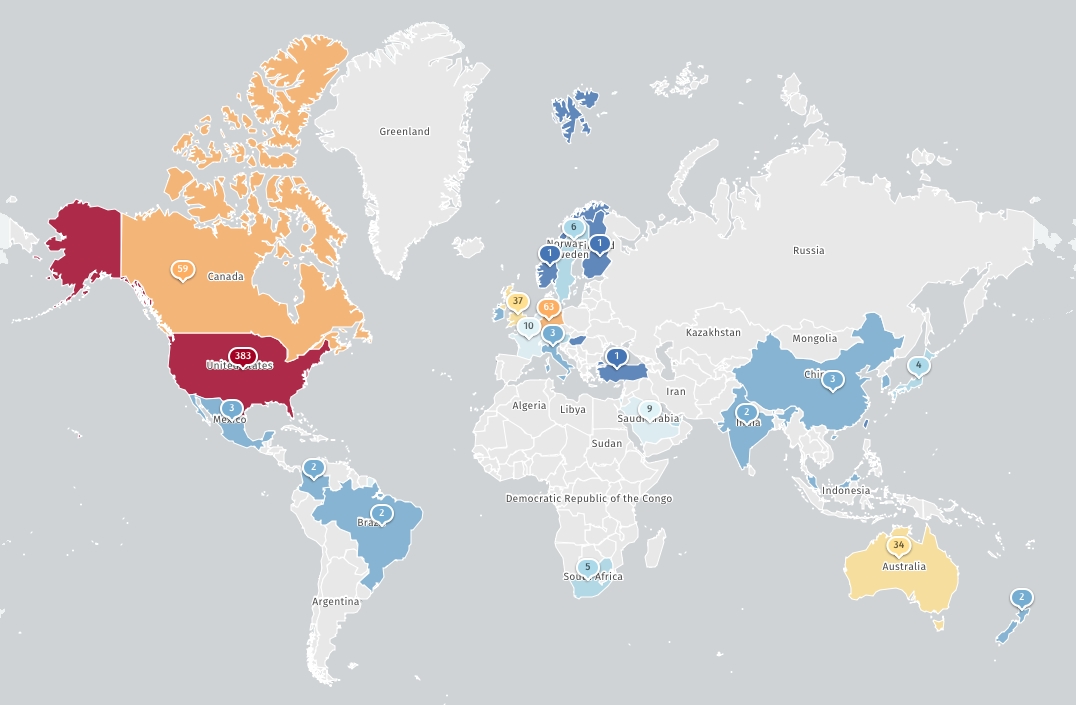
The directive to shut down core data-protection appliances highlights a glaring friction point between infrastructure availability and data integrity. In an era where continuous uptime is treated as an immutable corporate baseline, commanding clients to pull the physical or virtual plug on production systems causes cascading business disruptions.
Enterprise IT and cloud compute architecture teams faced an agonizing trilemma during the Kiteworks and Citrix crises:
- Unmitigated Exposure: Leaving systems online while awaiting vendor patches risked total compromise of encrypted archives, intellectual property, and personally identifiable information (PII).
- Operational Paralysis: Powering down systems halted mission-critical data flows, disrupting supply chain logistics, legal proceedings, and corporate financial reporting.
- Compromised Forensic Integrity: Aggressive power-down procedures risked wiping volatile memory (RAM) and obscuring critical telemetry needed for post-incident forensic investigations.
This operational friction forces a fundamental reassessment of enterprise resilience. Organizations can no longer rely on the assumption that core security tooling is infallible. Instead, modern risk mitigation requires immutable backups, micro-segmented network architectures, and pre-scripted emergency isolation protocols that can execute instantaneously without human bottlenecks.
Comparative Metrics: Zero-Day Response Vectors
To contextualize the scale and impact of the recent incidents, the following breakdown contrasts traditional vulnerability response paradigms with the aggressive posture demanded by the Kiteworks and Citrix exploits:
| Metric / Dimension | Legacy Patch Management | Modern Zero-Day Incident Response |
|---|---|---|
| Time to Exploitation | Weeks to months post-discovery | Hours (frequently automated via bots) |
| Primary Remediation | Scheduled patching and reboot | Immediate isolation, air-gapping, or power-down |
| Business Disruption | Minimal (handled during maintenance windows) | Severe (immediate halt of operational workflows) |
| Financial Impact Profile | Predictable IT labor and deployment costs | High tail-risk: regulatory fines, litigation, valuation hits |
Industry & Market Implications: Who Wins and Who Loses
The economic shockwaves originating from recurring enterprise software vulnerabilities extend far beyond the immediate technical patches. Capital allocation strategies across Silicon Valley and Wall Street are shifting rapidly in response to these compounding systemic risks.
The Winners: Ephemeral Infrastructure and Zero-Trust Pioneers
Vendors specializing in zero-trust network access (ZTNA), micro-segmentation, and ephemeral compute environments are capturing significant market share. Enterprises are increasingly unwilling to trust monolithic, on-premises or hybrid appliances that maintain persistent connections to sensitive data repositories. Companies capable of delivering stateless, containerized file-transfer and gateway services—where compromise of a single instance does not expose the underlying storage layer—are commanding premium valuation multiples.
The Losers: Monolithic Perimeter Security Vendors
Legacy software providers that rely on deep integration within corporate networks without native isolation capabilities face intense market skepticism. Institutional investors are scrutinizing the code quality, development lifecycles, and software bill of materials (SBOM) transparency of B2B tech vendors. A single catastrophic zero-day disclosure can trigger immediate customer churn, protracted breach litigation, and a sharp contraction in enterprise market capitalization.
Furthermore, cyber insurance underwriters are tightening policy terms. Organizations running high-risk, un-isolated file transfer platforms without compensating controls are encountering steep premium hikes, higher deductibles, or outright coverage exclusions for zero-day exploitation losses.
Frequently Asked Questions (People Also Ask)
What is a zero-day vulnerability, and why are incidents involving Kiteworks and Citrix particularly dangerous?
A zero-day vulnerability is an undiscovered software flaw known to attackers before the vendor has created a patch. Incidents involving platforms like Kiteworks and Citrix are uniquely dangerous because these systems sit at the critical intersection of corporate data exchange, holding massive volumes of sensitive, regulated intellectual property. Compromising them provides malicious actors with direct access to high-value internal networks and confidential data archives.
Why would a company instruct customers to completely power down a data-protection platform?
When an active, zero-day exploitation campaign is underway and no verified patch exists, powering down the platform is the ultimate containment strategy. It severs the attacker's remote command-and-control connection, halts ongoing data exfiltration, and prevents lateral movement into deeper corporate infrastructure, outweighing the temporary operational downtime.
How do these incidents impact enterprise capital allocation and cybersecurity budgets?
These breaches force CISOs and CFOs to reallocate capital away from reactive perimeter defenses toward advanced runtime monitoring, containerized ephemeral architectures, and robust incident response retainers. Additionally, insurance underwriters now demand verifiable zero-trust isolation controls, making resilient architecture a direct driver of lower operational risk and insurance costs.
What long-term changes are expected in software vendor liability and regulatory compliance?
Regulators, including the SEC, are applying intense pressure on enterprise software providers regarding timely disclosure and secure coding practices. We anticipate stricter software bill of materials (SBOM) mandates, increased legal scrutiny on vendor liability for unmitigated flaws, and accelerated compliance audits across supply chain touchpoints.
Future Outlook: Navigating the Post-Perimeter Era
The Kiteworks and Citrix incidents serve as a definitive wake-up call for the enterprise technology ecosystem. As threat actors leverage automated scanning, artificial intelligence, and sophisticated exploit chains, the window between vulnerability inception and widespread exploitation will continue to shrink toward zero.
Looking ahead over the next 12 to 24 months, several key milestones will define the maturation of enterprise zero-day response:
- Mandatory SBOM Transparency: Enterprise buyers will increasingly condition software procurement contracts on absolute transparency regarding third-party software components and rapid patch-turnaround SLAs.
- Widespread Adoption of Stateless Architectures: Infrastructure designs will pivot definitively away from persistent appliances toward immutable, ephemeral micro-services that automatically self-destruct or re-provision upon suspected compromise.
- Algorithmic Containment: Human-driven incident response will be augmented—and in many cases superseded—by automated, AI-driven network isolation protocols capable of neutralizing threats within milliseconds of anomalous behavioral detection.
Ultimately, the era of absolute perimeter trust is dead. Organizations that internalize the lessons of the Kiteworks and Citrix disclosures—embracing architectural resilience, radical transparency, and rapid-response containment—will safeguard not only their data assets, but their long-term market valuation in an increasingly hostile digital economy.