Executive Takeaways
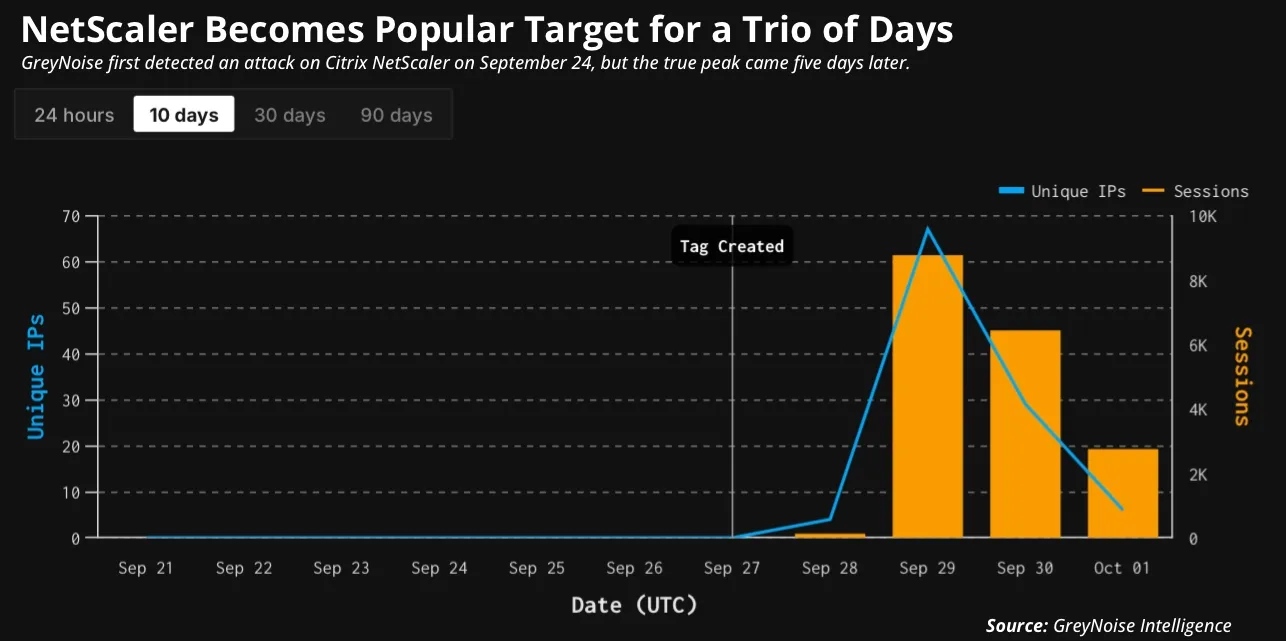
- Drastic Mitigation Measures: Recent zero-day exploits targeting secure file transfer and delivery infrastructure forced vendors to issue extreme directives, including advising enterprises to completely power down core data-protection platforms.
- Operational Paralysis vs. Security: The Kiteworks and Citrix incidents underscore the acute tension between maintaining operational liquidity and mitigating catastrophic enterprise risk during active zero-day campaigns.
- Capital Allocation Shift: Security leaders are recalibrating budgets away from perimeter defense toward resilient, decoupled cloud compute architecture and accelerated patch-management frameworks.
- Valuation and Compliance Impact: Supply chain vulnerabilities in foundational trust tools trigger immediate downstream regulatory scrutiny, contractual liabilities, and potential valuation headwinds for publicly traded tech giants.
In the high-stakes theater of modern corporate cybersecurity, few directives strike as much terror into the hearts of Chief Information Security Officers (CISOs) as a vendor instruction to pull the physical plug on mission-critical infrastructure. Yet, that was the grim reality for numerous global enterprises caught in the crosshairs of sophisticated zero-day campaigns targeting Kiteworks and Citrix systems. These incidents did not merely expose vulnerabilities in proprietary code; they laid bare the profound structural and operational challenges organizations face when forced to remediate flaws that are actively weaponized before developers can issue a patch.
As state-sponsored threat actors and financially motivated syndicates increasingly weaponize zero-day vulnerabilities—flaws unknown to the vendor and undefended by existing signatures—the traditional incident response playbook has fractured. Enterprises must now weigh the immediate threat of intellectual property theft and ransomware deployment against the crippling cost of business interruption when vital data-protection platforms are taken offline entirely.
Anatomy of a Crisis: The Kiteworks and Citrix Flashpoints
Test Our Free AI & Tech Utilities Suite
Calculate LLM API token costs, analyze article dwell-time, or simulate tech DCA returns.
The convergence of high-profile security breakdowns involving Kiteworks and Citrix served as a watershed moment for enterprise risk mitigation. For decades, secure file transfer and application delivery controllers have functioned as the digital nervous system of the Fortune 500, moving sensitive financial records, proprietary source code, and protected health information across global networks. Because these systems occupy a privileged position within corporate architectures, they represent high-value targets for threat actors seeking lateral movement and unhindered data exfiltration.
When zero-day exploits materialized against these platforms, the velocity of the attacks dramatically outpaced standard patch-management cycles. In the case of one prominent incident involving data-protection infrastructure, the threat vector allowed remote code execution (RCE) without authentication, bypassing standard identity and access management controls. Recognizing that traditional containment strategies—such as network segmentation or IP blocking—were wholly insufficient, the vendor made the unprecedented recommendation for customers to power down the platform completely.
This "offline-first" remediation directive triggered a cascade of operational friction. For multinational corporations relying on these tools for daily compliance reporting, supply chain logistics, and board-level communications, halting the platform meant grinding vital operations to a sudden halt. The incident vividly demonstrated that in an era of hyper-connected enterprise IT, the cure can sometimes rival the disease in its immediate destructive impact.
The Operational and Financial Calculus of Zero-Day Response
Mitigating a zero-day vulnerability is no longer a localized IT issue handled quietly in a server room; it is an executive-level crisis management exercise with direct implications for capital allocation, operational continuity, and shareholder value. When core infrastructure is compromised, organizations face a complex matrix of costs:
- Business Interruption and Lost Revenue: Powering down mission-critical platforms halts transaction flows, delaying billing cycles, supply chain fulfillment, and client deliverables.
- Forensic and Legal Expenditures: Engaging third-party incident response firms, conducting root-cause analyses, and managing regulatory notification requirements under frameworks like GDPR, HIPAA, and SEC cybersecurity disclosure rules demand substantial financial outlays.
- Reputational Damage and Market Liquidity: Public disclosure of a critical data breach can trigger immediate volatility in a company's stock price, depress valuation multiples, and erode customer trust—a vital intangible asset.
Furthermore, the reliance on third-party vendors for secure communications creates a systemic vulnerability. When a foundational trust tool fails, the ripple effect compromises the entire enterprise ecosystem. Chief Technology Officers (CTOs) and Chief Financial Officers (CFOs) are now being forced to reevaluate their vendor risk management programs, demanding deeper transparency into software bill of materials (SBOMs) and demanding rigorous vulnerability disclosures before integrating enterprise software.
Comparative Incident Breakdown
| Metric / Dimension | Kiteworks-Related Incidents | Citrix Infrastructure Exposures |
|---|---|---|
| Primary Attack Vector | Unauthenticated Remote Code Execution (RCE) in file transfer mechanisms | Application Delivery Controller (ADC) and Gateway vulnerabilities |
| Immediate Remediation Directive | Powering down data-protection platforms; aggressive patching and isolation | Immediate firmware updates, configuration hardening, and traffic filtering |
| Primary Enterprise Risk | Massive intellectual property theft and unauthorized data exfiltration | Session hijacking, credential harvesting, and internal network penetration |
| Regulatory Implications | High scrutiny under data privacy laws and SEC breach disclosure mandates | Critical infrastructure oversight and mandatory reporting timelines |
Industry & Market Implications: Who Wins, Who Loses
The fallout from these zero-day crises is actively reshaping the enterprise software market and altering competitive dynamics across the technology sector.
The Losers: Legacy Monolithic Vendors. Software providers that rely on closed-source, monolithic architectures with tightly coupled data storage and delivery mechanisms are seeing their market share erode. Enterprise buyers are increasingly skeptical of software that presents a single point of catastrophic failure. Vendors slow to adopt rigorous secure software development lifecycles (SSDLC) face punitive enterprise churn.
The Winners: Cloud-Native Resiliency and Observability Platforms. Enterprises are pivoting capital toward modern, decentralized cloud compute architectures that emphasize micro-segmentation, immutable infrastructure, and zero-trust network access (ZTNA). Security startups offering real-time runtime application self-protection (RASP) and automated threat containment are experiencing a surge in venture capital and enterprise adoption. Furthermore, cybersecurity insurance underwriters are tightening policy requirements, rewarding organizations that demonstrate rapid zero-day isolation capabilities with more favorable premium structures.
Frequently Asked Questions (People Also Ask)
What is a zero-day vulnerability, and why are responses so challenging?
A zero-day vulnerability is an undisclosed software flaw known to attackers but unknown to the vendor. Response is exceptionally challenging because organizations have zero warning before exploitation begins, leaving no pre-existing patches, signatures, or established defense mechanisms in place.
Why would a company advise powering down its own data-protection platform?
When an active zero-day exploit allows unrestricted remote access to sensitive data repositories, traditional patching or firewall rules may be too slow or ineffective. Powering down the hardware or service entirely acts as an emergency circuit breaker to halt ongoing data exfiltration and prevent catastrophic compromise.
How do incidents like Kiteworks and Citrix impact enterprise valuation and compliance?
Security breaches and emergency infrastructure shutdowns trigger direct financial losses from business interruption, expensive forensic investigations, and potential regulatory fines. Publicly traded companies also face severe SEC disclosure scrutiny, which can negatively impact investor confidence and short-term stock valuations.
What steps should CISOs take to prepare for future zero-day events?
Security leaders must implement zero-trust architecture, maintain comprehensive software inventories (SBOMs), establish robust out-of-band communication channels, and design rapid emergency containment protocols that balance security isolation with business continuity.
Future Outlook: The Road Ahead for Enterprise Defense
As threat actors leverage artificial intelligence and automated scanning tools to discover and exploit zero-day vulnerabilities with unprecedented speed, the traditional paradigm of "patch and pray" is officially obsolete. Over the next 12 to 24 months, we will witness a fundamental shift in how enterprise infrastructure is designed, procured, and managed.
Key milestones to watch include the widespread adoption of AI-driven threat hunting capable of detecting zero-day anomalies at the hypervisor layer, stricter regulatory mandates holding software vendors legally accountable for unmitigated architectural flaws, and the integration of automated "kill switches" within enterprise security orchestration platforms. Ultimately, resilience will no longer be measured by how quickly an organization applies a patch, but by how gracefully its architecture survives when the unthinkable happens.