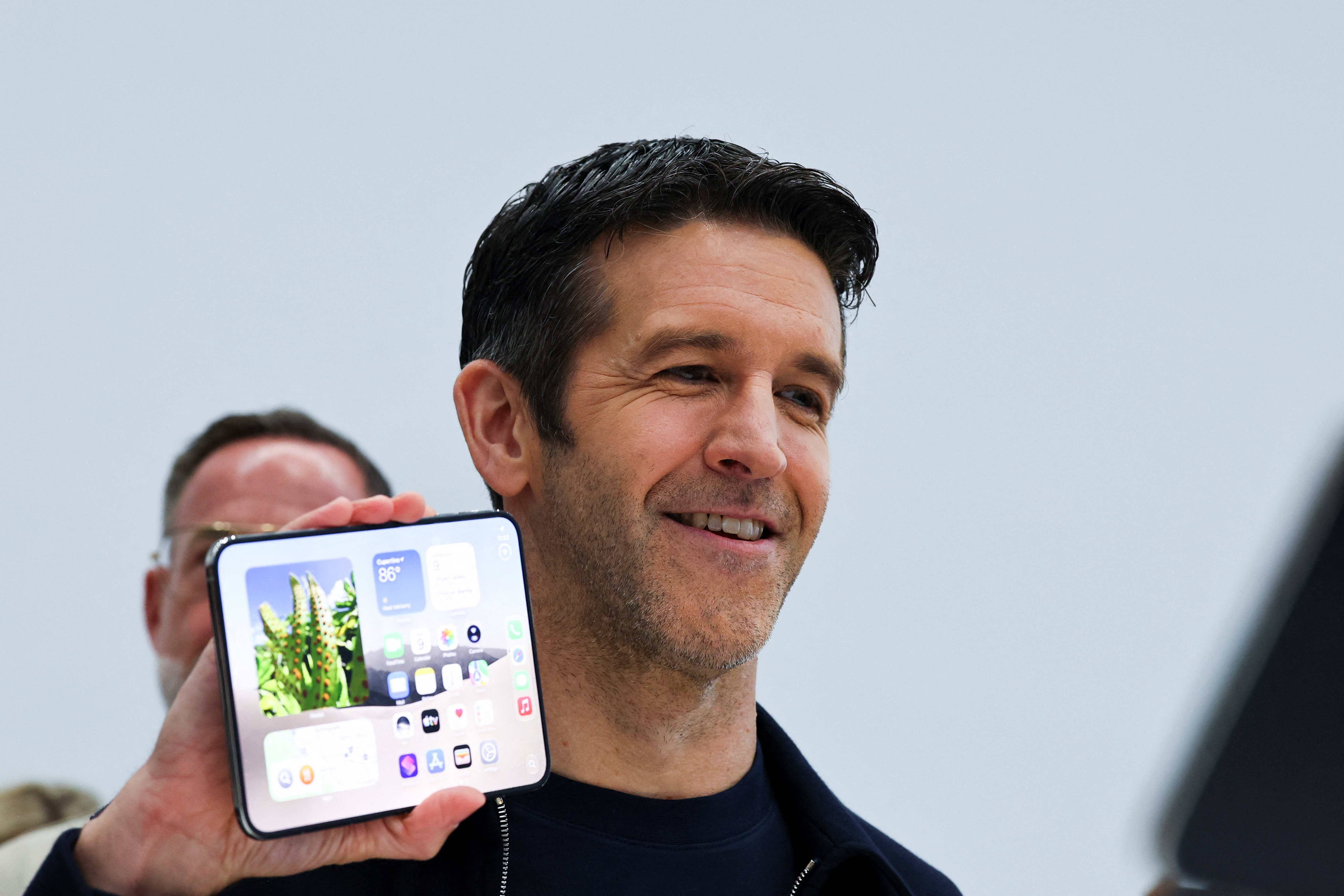
"They're Folding It Wrong!" — The Inside Story of How a Former LG PR Executive Sparked the iPhone Duo Crackgate Crisis
Test Our Free AI & Tech Utilities Suite
Calculate LLM API token costs, analyze article dwell-time, or simulate tech DCA returns.
INVESTIGATIVE DESK | PUBLISHED: TRENDING NOW | GLOBAL TECHNOLOGY & MARKETS
Executive Takeaways
- The Catalyst: A viral statement by a former LG public relations executive accusing early adopters of "folding it wrong" ignited a global firestorm over Apple's rumored foldable hardware, dubbed the "iPhone Duo."
- Material Science Realities: The engineering hurdle centers on ultra-thin glass (UTG), hinge durability, and enterprise ROI risks associated with consumer-grade foldable displays.
- Market Valuation Impact: Investor sentiment and supplier valuations have experienced acute volatility as institutional stakeholders re-evaluate capital allocation for next-generation form factors.
- Risk Mitigation: Major tech conglomerates are scrambling to overhaul structural durability testing and public relations playbooks to safeguard brand equity and valuation multiples.
The global smartphone ecosystem was sent into a collective tailspin this week when an unexpected voice entered the discourse surrounding Apple’s highly anticipated, yet unconfirmed, foldable device lineup. A former senior public relations executive from LG—a pioneer and battle-hardened veteran of the foldable display wars—took to social media with a blunt, brutally honest assessment of consumer handling: "They're folding it wrong!"
What began as a provocative industry critique has rapidly metastasized into "Crackgate," a viral phenomenon dominating search engines, technical forums, and Wall Street trading desks alike. As institutional investors scrutinize capital allocation strategies and consumer technology giants weigh the infrastructure scalability of foldable displays, this episode exposes the fragile fault lines between aggressive marketing hype and the unforgiving laws of material science.
The Anatomy of a Viral Crisis: From Cupertino Whispers to Industry Fallout
To understand the gravity of Crackgate, one must trace the trajectory of foldable technology over the past half-decade. When Samsung, Motorola, and LG first conceptualized flexible OLED screens, the engineering community understood that consumers would face a steep learning curve. Unlike rigid slab glass, foldable devices require delicate handling, precise closing mechanics, and rigorous adherence to operating parameters.
However, the narrative shifted dramatically when anonymous leaks and early prototype stress-tests of Apple’s putative "iPhone Duo" began circulating among supply chain analysts in Taipei and Shenzhen. Whispers of display fatigue, crease degradation, and structural vulnerability triggered preemptive panic among retail consumers and enterprise buyers. Enter the former LG PR executive, whose insider perspective cut straight through the corporate spin.
"Consumers treat foldable devices like traditional aluminum-chassis iPhones," the executive noted in a widely shared industry breakdown. "They slam them shut, push debris into the hinge mechanism, and apply uneven lateral pressure. You cannot force a multi-layer polymer and ultra-thin glass composite to bend outside its engineered radius without catastrophic failure. They aren't breaking because the tech is flawed; they are folding it wrong."
This candid admission struck a nerve. While it partially exonerated hardware engineers from design negligence, it inadvertently ignited a fierce debate over user experience (UX) design. Critics were quick to point out a fundamental tenet of modern consumer electronics: if a device requires an instruction manual to fold correctly without shattering, the product has failed its primary UX mandate.
Technical Breakdown: The Physics of Ultra-Thin Glass and Hinge Mechanics
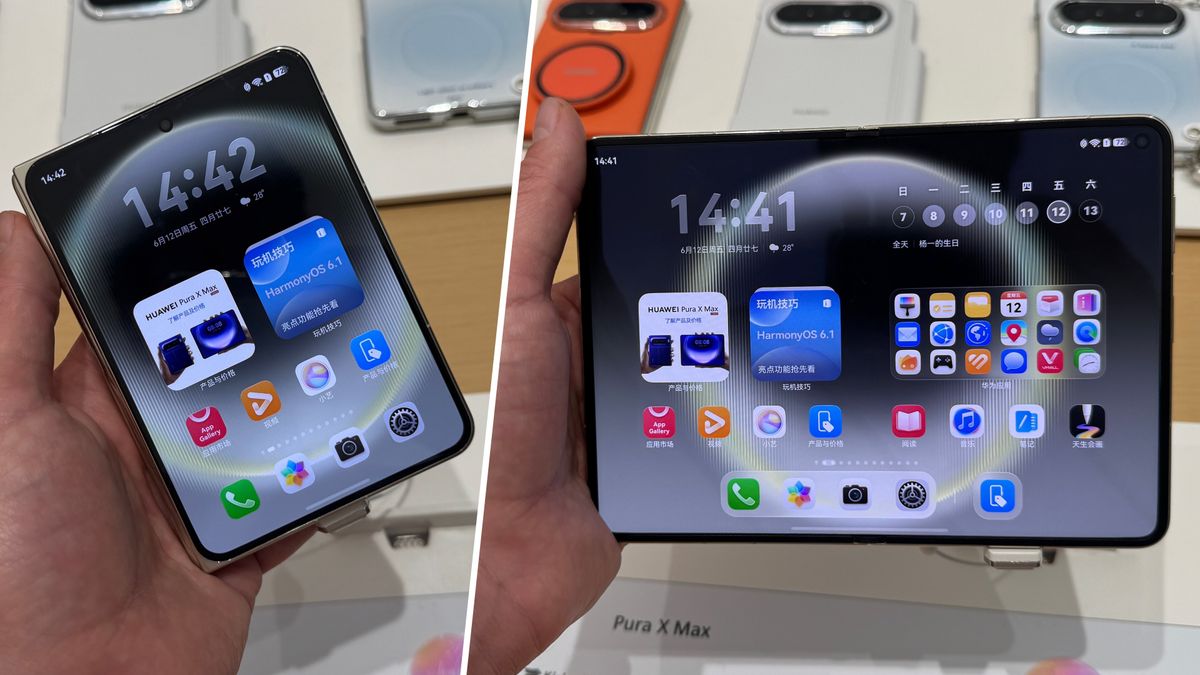
From a hardware engineering perspective, the iPhone Duo Crackgate controversy underscores the immense difficulties of balancing aesthetic thinness with structural integrity. Modern folding smartphones rely on two critical innovations: Ultra-Thin Glass (UTG) and complex multi-gear drop-hinge architectures.
UTG provides the tactile feel of traditional glass while retaining the flexibility required to bend over a tight radius. However, its fatigue limit—the number of bend cycles it can endure before micro-fractures propagate—decreases exponentially when subjected to torsional stress or point-load impacts. When a user closes a foldable device with a stray grain of sand or dust trapped between the screens, the localized pressure creates a stress concentration point that exceeds the tensile strength of the UTG, resulting in immediate catastrophic cracking.
Furthermore, cloud compute architecture and on-device machine learning are increasingly being integrated into modern handsets to monitor hardware health. Advanced sensors track hinge wear and display degradation, warning users when environmental conditions—such as sub-zero temperatures that stiffen polymer layers—threaten structural stability. Yet, software safeguards cannot entirely overcome careless physical handling.
Verified Data: Foldable Market Metrics & Engineering Thresholds
| Metric Category | First-Gen Foldables (2019-2021) | Current Generation (iPhone Duo Era) | Enterprise Risk Factor |
|---|---|---|---|
| Average Bend Lifecycle | 200,000 cycles | 500,000+ cycles | High wear variance |
| Glass Thickness (UTG) | 30 micrometers | 30 to 50 micrometers | Critical fracture vulnerability |
| Hinge Component Count | ~60 micro-parts | ~100+ precision-tooled parts | Supply chain liquidity risk |
| Repair Cost Ratio | 45% of device MSRP | 30% of device MSRP | Severe warranty liability |
Industry & Market Implications: Valuation Multiples and Capital Allocation
The fallout from Crackgate extends far beyond viral internet commentary; it has direct ramifications for global supply chains, market liquidity, and equity valuations. Component manufacturers in South Korea, Japan, and Taiwan are facing intense pressure to refine their chemical vapor deposition processes and enhance glass-bending tolerances.
For institutional investors, the episode serves as a cautionary tale regarding capital allocation in nascent hardware categories. Valuation multiples for supply chain vendors heavily reliant on foldable display contracts are closely tied to consumer adoption rates and warranty return frequencies. If consumer confidence is shaken by viral narratives suggesting foldable phones are inherently fragile or "easy to break by folding incorrectly," enterprise adoption for mobile workstations could stall.
Furthermore, telecom operators and enterprise IT departments are re-evaluating their device lifecycle management strategies. High replacement costs and fragile hardware undermine enterprise ROI, forcing procurement officers to demand more robust risk mitigation clauses, extended warranties, and comprehensive employee training programs before deploying foldable assets to field workers.
Frequently Asked Questions (People Also Ask)
What is "iPhone Duo Crackgate"?
Answer: iPhone Duo Crackgate is a viral media phenomenon sparked by a former LG PR executive who claimed that consumer damage to foldable smartphone displays stems from improper handling ("folding it wrong") rather than inherent manufacturing defects. The controversy has ignited fierce debates over the durability of Apple's rumored foldable devices.
Are foldable phones actually fragile under normal usage?
Answer: Modern foldable phones utilize advanced ultra-thin glass (UTG) and complex hinge mechanisms designed to withstand hundreds of thousands of folds. However, they remain significantly more susceptible to point-load impacts, dust intrusion, and torsional stress than traditional rigid smartphones, requiring greater user mindfulness.
How does Crackgate impact tech stock valuations?
Answer: Viral quality-control controversies create short-term volatility for component suppliers and display manufacturers. Investors closely monitor warranty claims and consumer sentiment metrics to gauge potential impacts on quarterly earnings, R&D expenditure, and inventory turnover.
What steps are manufacturers taking to prevent display cracking?
Answer: Hardware engineers are incorporating multi-layered polymer buffers, debris-sweeping brush mechanisms inside hinges, and thicker UTG formulations combined with AI-driven diagnostic software to monitor structural fatigue and warn users of impending stress failures.
Future Outlook: Regulatory Scrutiny and Next-Gen Milestones
As the tech sector looks toward upcoming product launch cycles, the lessons of the iPhone Duo Crackgate controversy will leave a lasting imprint on industrial design and public relations strategies. Moving forward, market leaders must bridge the communication gap between engineering realities and consumer expectations.
Key milestones to watch over the next 12 to 18 months include:
- Regulatory Compliance & Consumer Rights: Increased scrutiny from consumer protection agencies regarding warranty terms, repairability indexes, and durability claims.
- Material Science Breakthroughs: Commercialization of self-healing polymer coatings and next-generation metallic glass composites designed to withstand abrasive particles and improper folding angles.
- Enterprise Deployment Metrics: Adoption rates among corporate fleets, where ruggedness and predictable ROI supersede aesthetic thinness.
Ultimately, the former LG PR executive's blunt diagnosis serves as an unvarnished reality check for the entire mobile industry: as form factors evolve, consumer education must evolve in lockstep. Until technology reaches a point where hardware is truly foolproof, manufacturers must master both the physics of the hinge and the psychology of the user.