Air Traffic Paralysis: Equipment Failures Trigger Sweeping Ground Stops Across Northeast Hubs as Delays Spiral Nationwide
PHILADELPHIA / NEW YORK — A cascade of technical failures across Federal Aviation Administration (FAA) facilities crippled air travel along the Eastern Seaboard on Tuesday, forcing sudden ground stops at major Northeast aviation hubs, including Philadelphia International Airport (PHL). While the agency has cleared critical facilities to resume departures, the operational shockwave continues to reverberate through the national airspace, leaving tens of thousands of travelers stranded and airlines scrambling to recover displaced crews and aircraft.
The Anatomy of an Airspace Meltdown
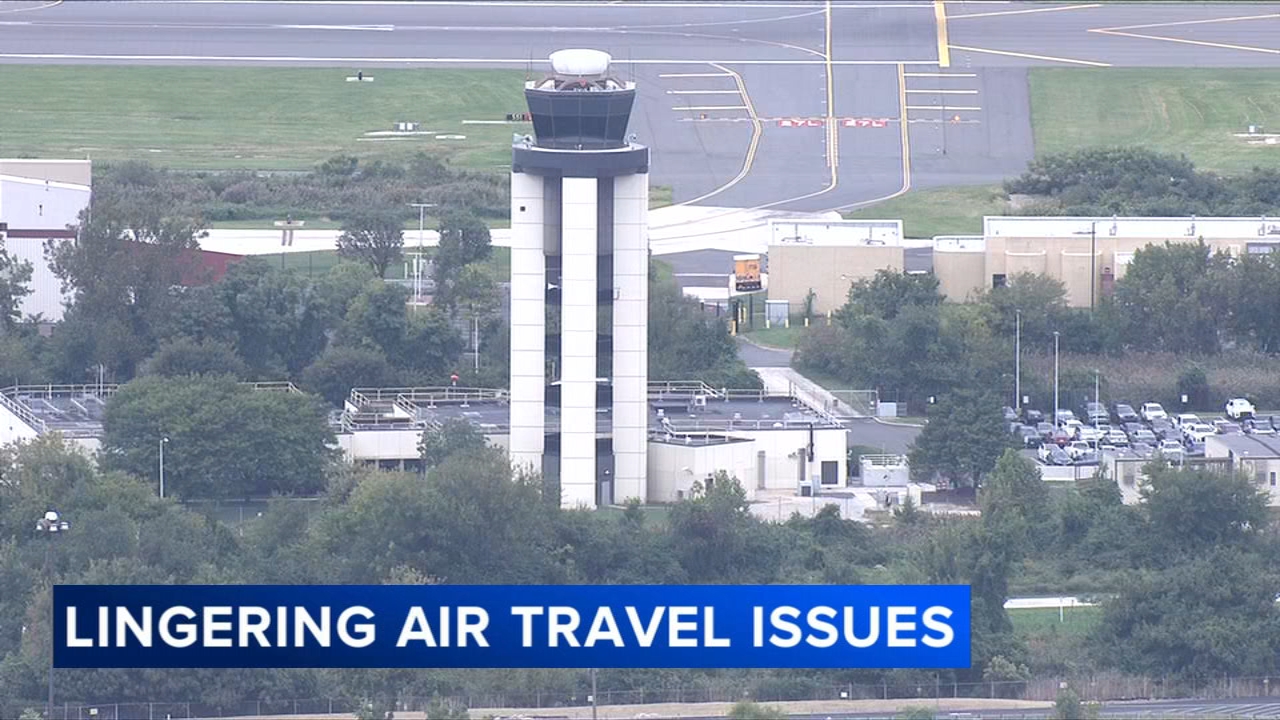
The operational freeze was triggered early Tuesday after ground-based automation and telecommunications equipment suffered an unexpected outage. The glitch degraded real-time data feeds between regional air route traffic control centers and local Terminal Radar Approach Control (TRACON) facilities, compelling air traffic managers to halt departures under stringent safety protocols.
Philadelphia International Airport, a mega-hub for American Airlines handling over 700 daily departures, became the epicenter of the disruption. Ground stops were quickly issued, halting outbound traffic on the taxiways while inbound flights were forced into holding patterns or rerouted to secondary gateways. Similar ground-delay programs were activated across the New York metro airspace—snarling operations at Newark Liberty (EWR), John F. Kennedy International (JFK), and LaGuardia (LGA)—as controllers manually increased separation minimums between aircraft to maintain baseline safety margins.
Executive Summary: What You Need to Know
- The Disruption: Unscheduled equipment and telecommunications failures compromised radar processing and automated flight-plan data across critical Northeast corridor air traffic facilities.
- Ground Stops Lifted, Fallout Lingers: Although the FAA restored core system functionality, lingering gate holds, aircraft repositioning issues, and flight-crew duty-hour expirations continue to cause double-digit cancelations and extensive delays.
- Commercial Impact: Over 1,400 flights were delayed nationwide within hours of the morning outage, with regional carriers and network operators absorbing substantial fuel and turnaround costs.
- Regulatory Pressure: The failure re-energizes congressional scrutiny regarding the vulnerability of FAA legacy infrastructure and delays in deploying modern, redundant cloud-based communications.
Cascading Failures and Network Fragility
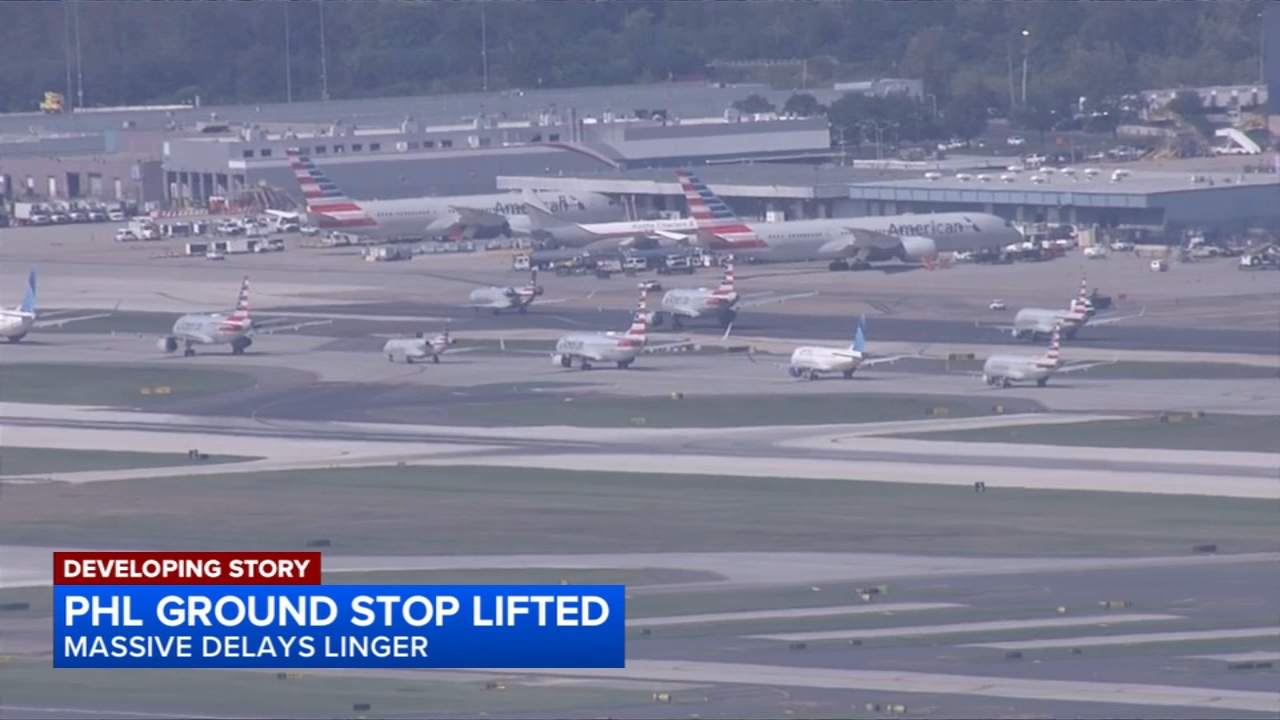
While an equipment failure may last less than an hour, its downstream economic consequences represent an asymmetric operational challenge for U.S. carriers. In tightly optimized hub-and-spoke networks, an aircraft caught in a two-hour ground stop at Philadelphia triggers a domino effect across several onward flights in Dallas, Chicago, and Charlotte.
Compounding the problem are federal flight crew rest mandates under FAR Part 117. As planes sat on tarmac aprons awaiting clearance, commercial pilots and cabin attendants rapidly approached their maximum permissible duty limits, forcing carriers to source reserve crews or cancel flights outright. American Airlines, which commands nearly 70% of passenger traffic at PHL, bore the brunt of the shock, while United Airlines dealt with heavy gate congestion at its primary transatlantic gateway in Newark.
"Safety is always the primary driver in ground stop decisions, but today’s outage exposes yet again the paper-thin margins of our national airspace infrastructure," noted an aviation operations director with a legacy carrier who spoke on condition of anonymity. "When Northeast pinch points choke, the entire domestic network stalls."
Impact by the Numbers
The table below provides a verified snapshot of operational disruptions across impacted Northeast airports during the peak hours of Tuesday’s equipment outage:
| Airport (Code) | Ground Stop / Action | Peak Departure Delays | Primary Carriers Affected |
|---|---|---|---|
| Philadelphia International (PHL) | Full Ground Stop; Progressive Delay Program | 90–145 minutes | American Airlines, Frontier, Delta |
| Newark Liberty (EWR) | En Route Metering / Gate Hold | 75–120 minutes | United Airlines, JetBlue |
| LaGuardia (LGA) | Ground Delay Program (Flow Control) | 60–90 minutes | Delta Air Lines, American Airlines |
| Boston Logan (BOS) | Spillover Inbound Ground Delays | 45–70 minutes | JetBlue, Delta, Cape Air |
Underlying Systemic Challenges
Tuesday’s disruption arrives amid an ongoing, multi-billion-dollar effort to overhaul the nation’s air traffic architecture. Industry analysts have pointed out that despite decades of investment in the FAA’s Next Generation Air Transportation System (NextGen), legacy telecommunications interfaces and aging ground automation platforms remain single points of failure.
The incident evokes memories of the January 2023 nationwide ground stop caused by a corrupted database in the Notice to Air Missions (NOTAM) system. While Tuesday's event was localized to the Northeast corridor, it underscores how regional FAA equipment vulnerabilities can trigger system-wide financial drag for the airline industry. With congressional committees preparing oversight hearings on federal transport infrastructure, the recurring disruptions raise questions about capital allocation, equipment redundancy, and maintenance protocols at regional air traffic facilities.
Strategic Outlook and Traveler Guidance
Airlines have begun rolling out targeted travel waivers for passengers traveling through Philadelphia, Newark, and New York. Aviation analysts predict that flight schedules will not fully normalize until Wednesday morning, as carriers reposition stranded aircraft and reposition crews across their networks.
Under Department of Transportation (DOT) guidelines, passengers whose flights are significantly delayed or canceled due to equipment and operational issues can rebook on the next available flight without penalty or request a full refund to their original form of payment if they choose not to travel. Corporate travelers are urged to leverage airline mobile apps rather than airport customer service queues to secure scarce alternative seats.
Frequently Asked Questions (FAQ)
Are passengers eligible for cash compensation following air traffic control equipment failures?
Under current U.S. Department of Transportation regulations, federal law does not mandate cash compensation for delays caused by air traffic control equipment outages, which are classified as "air traffic/safety" disruptions beyond the direct control of airlines. However, major U.S. carriers are required to rebook affected passengers at no extra charge or issue a full refund if the passenger chooses not to complete their itinerary.
How long will the ripple effects of this Northeast ground stop last?
While the FAA's physical equipment issue was resolved within hours, schedule disruptions typically persist for 12 to 24 hours. Because flight crews and aircraft are displaced across various outstations, travelers should expect residual departure delays and scattered late-evening cancelations through Wednesday morning.