High-Stakes Silicon Summit: Inside the Secret Dinner Where Trump, Xi, and AI Titans Broke Bread
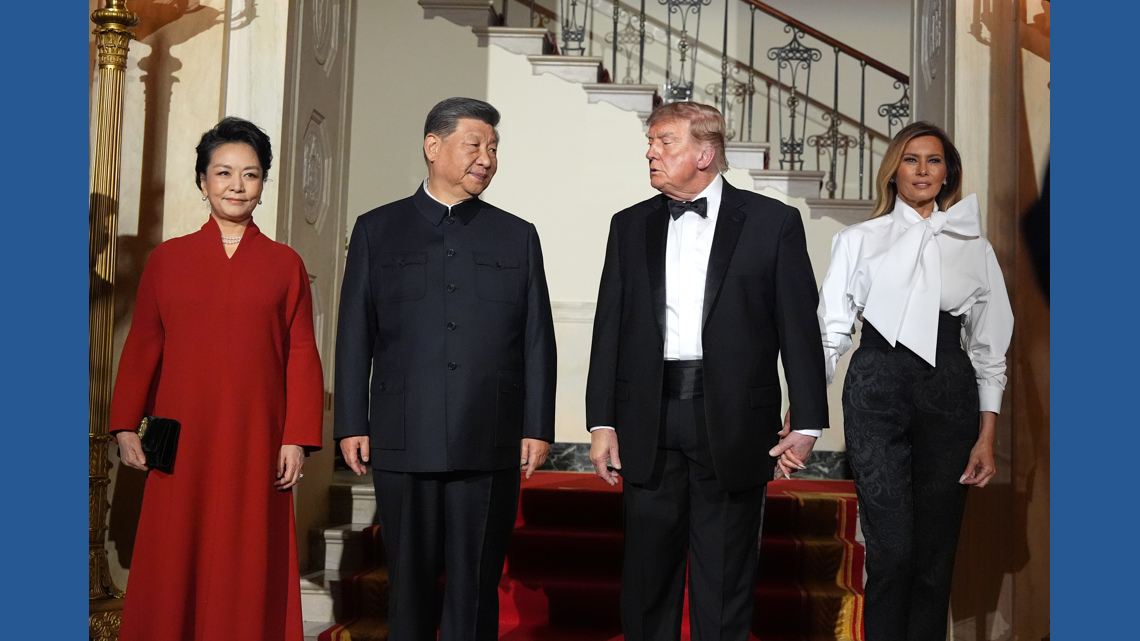
WASHINGTON & BEIJING — In a geopolitical development that has instantly reshaped the global technology landscape, U.S. President Donald Trump and Chinese President Xi Jinping convened for a high-level diplomatic dinner alongside the world’s most influential artificial intelligence executives. The unprecedented summit, held behind closed doors, brought together the architects of the global AI revolution to address escalating technological decoupling, semiconductor supply chains, and the future governance of artificial intelligence.
As details begin to trickle out from senior administration officials and industry insiders, the meeting is already being hailed as a watershed moment for international tech policy. For markets, venture capitalists, and geopolitical strategists alike, the stakes could not be higher. Here is the full story on what happened, who was in the room, and what these high-stakes tech talks mean for the global economy.
The Diplomatic Backdrop: Why This Dinner Matters Now
The convergence of the world’s two most powerful political leaders with the titans of the AI sector comes at a critical juncture. Over the past several years, the United States and China have engaged in an intensifying technological cold war. From stringent U.S. export controls on advanced graphics processing units (GPUs) to China’s retaliatory restrictions on critical rare-earth minerals essential for semiconductor manufacturing, the two superpowers have been drifting toward a fractured digital ecosystem.
By bringing the private sector directly into diplomatic negotiations, the Trump administration signaled a shift toward pragmatic engagement. Artificial intelligence is no longer viewed merely as a commercial product; it is recognized globally as a matter of national security, economic dominance, and civilizational influence. The inclusion of AI's biggest names suggests that neither Washington nor Beijing can afford a complete technological rupture without inflicting severe damage on their respective domestic economies.
Inside the Room: Who Broke Bread with the Presidents?
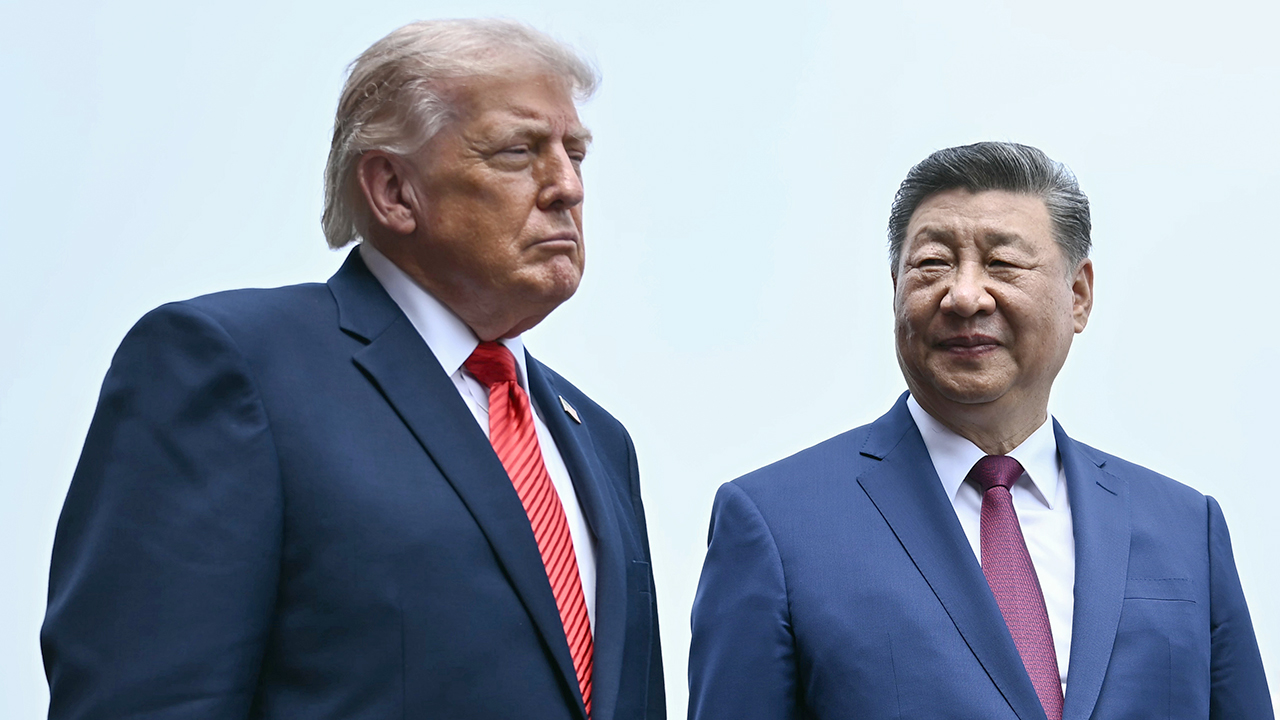
While the guest list was tightly guarded, diplomatic and industry sources have confirmed that the dinner featured a carefully curated group of chief executive officers and founders representing the vanguard of modern AI development. These leaders sit atop trillions of dollars in market capitalization and control the infrastructure powering the next generation of foundational models.
- The Infrastructure Giants: Chief executives from the firms manufacturing the silicon hardware that fuels machine learning.
- The Frontier Lab Pioneers: Founders and lead scientists steering the development of advanced large language models and artificial general intelligence (AGI) research.
- The Enterprise Software Leaders: Executives integrating AI tools into global cloud computing infrastructures and enterprise workflows.
The presence of these tech leaders transformed a traditional state dinner into an unprecedented working summit. Sources close to the discussions indicated that the conversation quickly moved past pleasantries to focus on the tangible bottlenecks facing the industry, including energy consumption, data governance, and international safety guardrails.
Key Takeaways and Negotiating Points
Though a formal, binding treaty on artificial intelligence remains elusive, several core themes emerged from the high-level dialogues between the U.S. and Chinese delegations:
- Semiconductor Supply Chains: Discussions centered on finding a sustainable equilibrium between U.S. national security safeguards and the commercial realities of global chip manufacturing.
- Safety and Guardrails: Both superpowers acknowledged the existential risks associated with frontier AI models, opening the door to potential bilateral safety frameworks.
- Market Access and Talent: Tech executives pushed for clearer regulatory pathways that allow for the continued exchange of top-tier engineering talent and research collaboration without crossing red lines.
| Dimension | U.S. Position | Chinese Position | Industry Consensus |
|---|---|---|---|
| Hardware Exports | Strict controls on advanced silicon to protect national security. | Urges removal of trade barriers and fair market access. | Seeks predictable rules to plan long-term capital investments. |
| AI Safety | Pushes for domestic and international oversight on model weights. | Supports state-led governance aligned with national sovereignty. | Favors industry-led standards over rigid geopolitical mandates. |
| Global Standards | Wants Western-led frameworks to dictate global norms. | Demands multipolar representation in international standards bodies. | Wants interoperability to prevent a fractured global internet. |
Wall Street and Market Reactions
Global markets reacted swiftly to early reports of the summit. Technology indices across New York, Shenzhen, and Hong Kong saw heightened volatility as traders tried to parse the long-term implications for semiconductor equities and software developers. Analysts at major Wall Street institutions note that any easing of trade tensions could unlock billions in deferred capital expenditures, while a breakdown in talks could accelerate the bifurcation of the global tech stack.
"What we are witnessing is the formal recognition that artificial intelligence is the defining geopolitical asset of the 21st century," noted a senior technology strategist at a leading global investment bank. "By bringing these leaders to the table, both Washington and Beijing are acknowledging that private industry holds the keys to geopolitical leverage."
What Comes Next?
As the dust settles on this historic dinner, the focus shifts to follow-up working groups. Industry insiders anticipate that technical delegations from both nations will convene in the coming months to draft preliminary frameworks on safety testing and export transparency. However, deep-seated strategic distrust remains, and tech executives are preparing for a landscape that will continue to be heavily influenced by geopolitical maneuvering.
For now, the image of Donald Trump, Xi Jinping, and the world's most powerful technologists dining together serves as a stark reminder: the future of human intelligence is being forged at the intersection of state power and corporate innovation.
Frequently Asked Questions
Why did President Trump and President Xi host AI executives together?
The summit was designed to bridge the gap between government policy and private-sector innovation. As AI becomes critical to national security and global economic competitiveness, both leaders sought direct input from the executives building the foundational technology.
Were any formal trade agreements signed during the dinner?
No formal treaties or binding trade agreements were signed during the event. Instead, the dinner served as a high-level exploratory and diplomatic summit aimed at opening formal communication channels on semiconductor policy and AI safety.