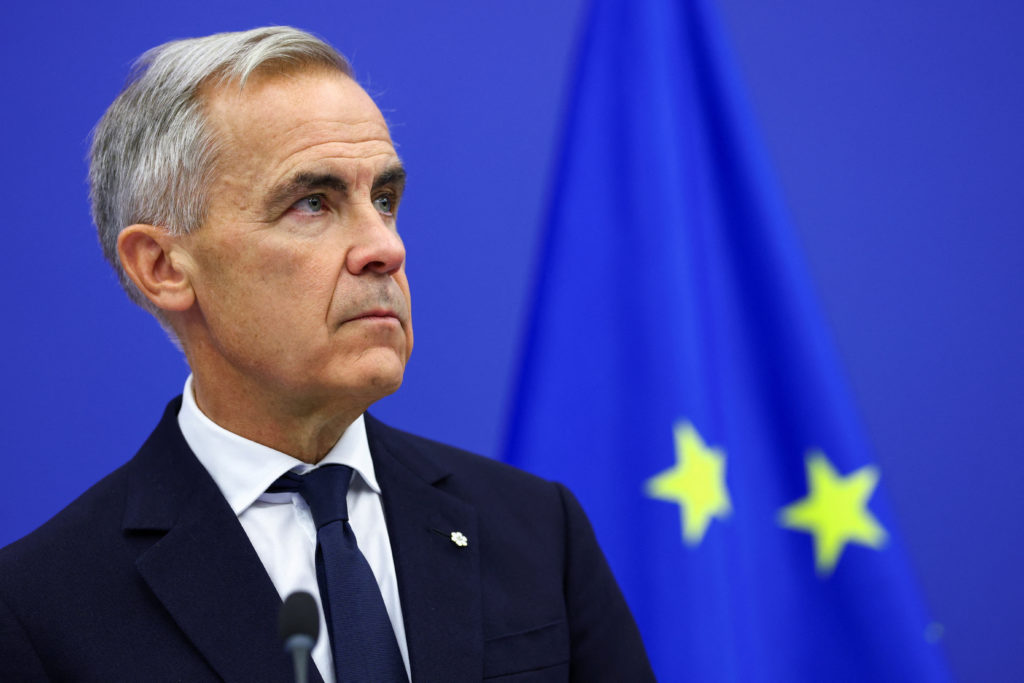
Trump Blasts EU-Canada 'Associate' Plan as 'Laughable' as New Tariff Threats Rock Global Markets
WASHINGTON & OTTAWA — Global trade tensions escalated sharply on Tuesday as President Donald Trump unleashed a scathing critique of a European Union proposal offering Canada associate membership, dismissing the diplomatic overture as "laughable" while immediately pivoting to renew aggressive tariff threats against North America's closest allies.
The fiery remarks, delivered amid a busy news cycle that also touched on domestic policy flashpoints, have instantly rattled international markets, sent foreign exchange traders scrambling, and reignited anxieties in Ottawa and Brussels over the stability of the Western alliance's economic architecture.
At a Glance: The Core Developments
- The Provocation: The European Union floated a speculative diplomatic framework granting Canada "associate membership" status to deepen transatlantic integration.
- The Rebuttal: President Trump publicly ridiculed the proposal on social media and wire services, labeling it "laughable" and economically unviable.
- The Escalation: Alongside the critique, Trump reiterated strict tariff warnings, targeting cross-border supply chains and reigniting protectionist trade policies.
- Market Fallout: Major currency pairs and equities tied to export-heavy sectors experienced immediate volatility as investors priced in renewed geopolitical friction.
The Genesis of the EU-Canada Proposal

The diplomatic maneuver by Brussels was initially pitched behind closed doors as a creative mechanism to counter rising global protectionism and strengthen supply chain resilience among Western democracies. Under the theoretical framework, Canada—a staunch NATO ally and key G7 economy—would be offered an enhanced tier of partnership, bridging its current North American trade integration under the USMCA with European regulatory and economic standards.
However, geopolitical analysts immediately questioned the feasibility of the arrangement. Canada's economy is structurally tethered to the United States, with roughly 75% of Canadian exports heading south of the border. Introducing European regulatory frameworks into a North American trade bloc was widely viewed in diplomatic circles as a logistical and political bridge too far.
Trump’s Rejection and the Return of Tariff Diplomacy
It didn't take long for Washington to weigh in. Breaking his silence on the matter, Trump pulled no punches, characterizing the EU's outreach to Canada as a desperate and futile attempt to undermine North American economic sovereignty.
"The whole idea is laughable," Trump stated, according to wire reports. "Canada belongs in North America, working with us, not cutting side deals with Brussels that make zero economic sense."
Crucially, the critique did not stop at rhetoric. Trump leveraged the moment to reissue stern warnings regarding trade imbalances and border policies, threatening sweeping new tariffs if Canada or the EU attempt to bypass American economic primacy through independent multilateral pacts. The dual-pronged attack underscores the administration's unwavering adherence to "America First" trade orthodoxy, signaling that any deviation by northern neighbors will be met with swift fiscal retaliation.
| Actor | Stance on EU-Canada Proposal | Primary Policy Lever |
|---|---|---|
| Donald Trump | Dismissive / Critical ("Laughable") | Threat of retaliatory tariffs, USMCA leverage |
| European Union | Supportive of deeper transatlantic ties | Regulatory harmonization, diplomatic frameworks |
| Ottawa Officials | Cautious / Non-committal | Balancing U.S. trade reliance with global diversification |
Economic Implications and Market Reactions
Financial markets reacted swiftly to the brewing trade spat. The Canadian dollar (CAD) dipped against the greenback as traders factored in the growing probability of renewed trade friction. Supply chain managers in the automotive, energy, and manufacturing sectors—industries heavily integrated across the U.S.-Canada border—are once again drawing up contingency plans to mitigate potential tariff shocks.
"Markets hate uncertainty, and when you combine trade threats with high-level diplomatic friction, capital flight toward safe-haven assets is inevitable," noted a senior commodities strategist based in New York. "Even if the EU's offer was largely symbolic, Trump’s reaction has turned it into a very real macroeconomic variable."
What Lies Ahead for Transatlantic Trade?
As capitals from Washington to Ottawa digest the fallout, the immediate future of Western trade policy looks increasingly fractured. Canadian Prime Minister's office has yet to issue a formal, detailed response, seeking to avoid a direct public escalation with the White House. Meanwhile, officials in Brussels are left reassessing their outreach strategies toward North America.
For global investors and corporate executives, the message is unmistakable: the era of predictable, quiet diplomacy is firmly in the rearview mirror. Trade policy remains a high-stakes, real-time negotiation driven by personal leadership styles and immediate political leverage.
Frequently Asked Questions
Why did the EU offer Canada associate membership?
The proposal was designed to foster closer economic, regulatory, and geopolitical ties between Canada and the European Union amid shifting global trade dynamics and rising protectionism worldwide.
How will Trump's tariff threats impact everyday consumers?
If implemented, tariffs on cross-border goods typically drive up costs for raw materials, manufacturing components, and finished products, which can ultimately lead to higher prices for consumers on both sides of the border.