The Diplomatic Reset: Trump Descends on the U.N. Seeking High-Stakes Wins Amid Domestic Turbulence
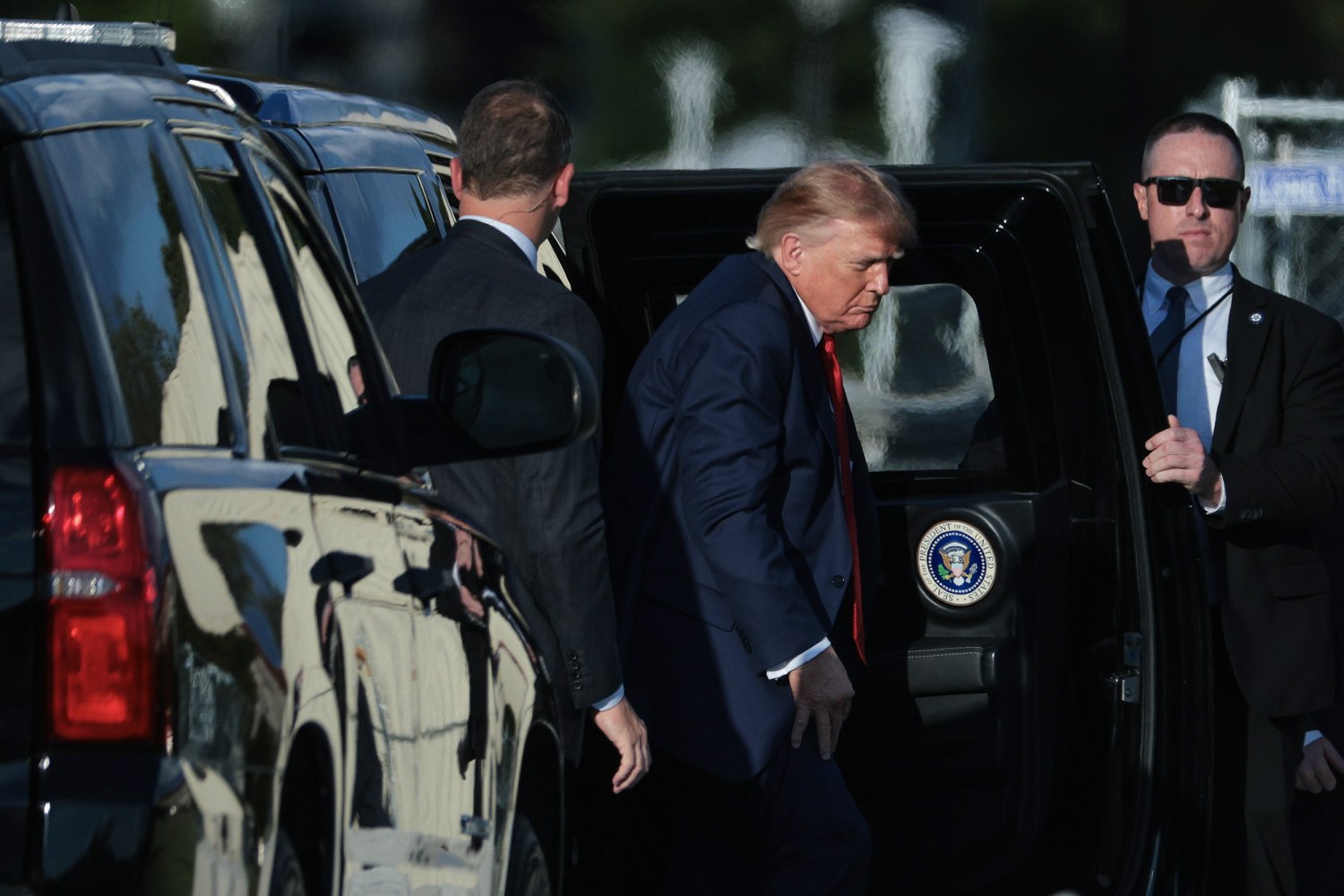
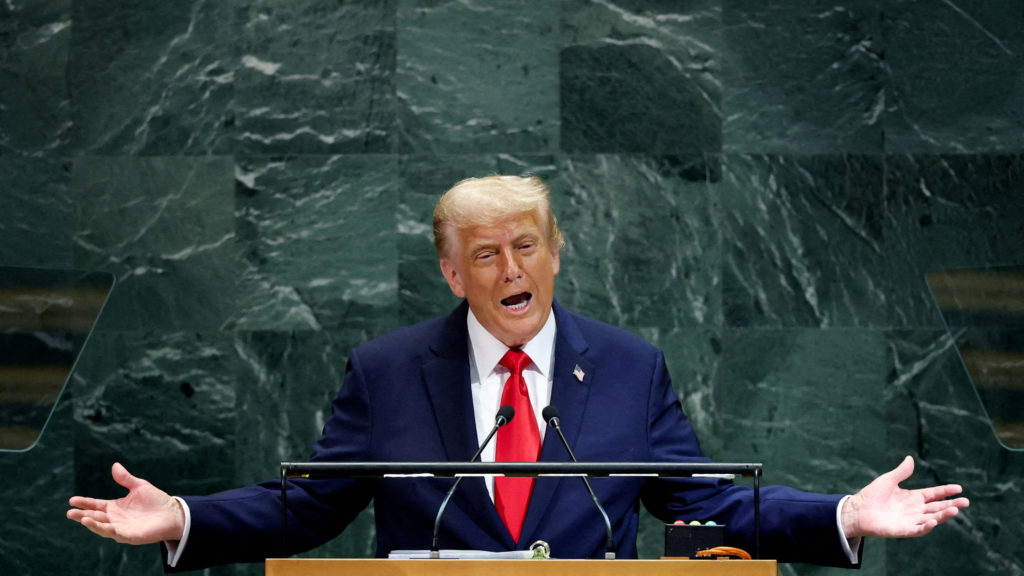
NEW YORK — Battered by a bruising week of domestic legislative friction, shifting midterm polling, and relentless political crossfire, Donald Trump is taking his political brand to the global stage. The former president and current political powerhouse arrives at the United Nations headquarters in New York this week with a singular, high-stakes mandate: engineer a high-visibility diplomatic reset, rally international allies and adversaries alike, and project an image of unshakeable executive strength.
For a political operation accustomed to dominating the daily news cycle through domestic rallies and cable news skirmishes, the transition to East River diplomacy represents a calculated gamble. Coming off a punishing seven-day stretch marked by intra-party friction—symbolized by high-profile figures like Georgia Republican U.S. Senate nominee Mike Collins navigating treacherous primary waters—the U.N. summit offers Trump a blank canvas to pivot the national conversation away from domestic headwinds and back toward foreign policy dominance.
High-Stakes Diplomacy: The Strategic Playbook
Observers in both Washington and foreign capitals note that Trump’s playbook at the United Nations is designed to bypass traditional media narratives by creating undeniable visual and rhetorical momentum. Whether addressing global trade imbalances, foreign aid inefficiencies, or major geopolitical flashpoints, the core objective remains clear: secure tangible validation, project command, and deliver punchy soundbites that resonate just as strongly in America's industrial heartland as they do in the General Assembly hall.
Economic and geopolitical analysts tracking the developments emphasize that international engagements of this magnitude carry immense volatility. A successful series of high-level bilateral meetings could rapidly re-establish Trump as an indispensable global dealmaker. Conversely, any misstep on the world stage risks compounding the negative momentum from what political insiders are already labeling a remarkably rough week.
- The Domestic Pivot: Leveraging international optics to eclipse unfavorable domestic headlines and intra-party squabbles.
- The Economic Angle: Pressuring global trade partners and highlighting fiscal nationalism on a premier multilateral platform.
- The Base Strategy: Delivering red-meat populist rhetoric tailored to domestic voters who remain deeply skeptical of international institutions.
- The Optic Battle: Projecting strength, stamina, and presidential-tier capability amid a crowded, competitive political landscape.
Navigating Domestic Headwinds and Local Flashpoints

The urgency of this international detour cannot be fully understood without examining the domestic turbulence Trump leaves in his wake. From the battlegrounds of Georgia—where Republican nominees like Mike Collins are fighting uphill general election battles—to legislative gridlock on Capitol Hill, the Republican coalition has experienced visible friction over the past week.
Adding to the surreal news cycle, the broader national consciousness has been inundated with everything from localized spectacles—such as Chicago’s bi-annual "Chicagohenge" urban phenomenon—to pervasive everyday frustrations, including a surge of spammy Google Messages text alerts flooding consumer smartphones nationwide. Amid this chaotic backdrop of mundane consumer complaints and high-stakes political maneuvering, Trump’s U.N. gambit serves as a theatrical anchor designed to restore narrative control.
| Strategic Metric | The Domestic Reality | The U.N. Counter-Strategy |
|---|---|---|
| Primary Focus | Midterm friction, state-level races (e.g., Georgia) | Global trade, foreign policy dominance, bilateral talks |
| Media Environment | Fragmented, distracted by tech spam & seasonal news | Controlled, high-visibility international press corps |
| Political Objective | Containing intra-party dissent | Securing high-impact diplomatic wins and strong optics |
The Economic and Market Implications
Wall Street and international financial markets are watching the U.N. proceedings with a mixture of cautious optimism and acute risk awareness. Global investors understand that Trump’s rhetoric on trade tariffs, multilateral agreements, and defense spending can trigger immediate shifts in currency valuations, commodity pricing, and equity futures.
As chief economic editors note, markets despise uncertainty. If Trump utilizes his platform to double down on aggressive protectionist policies or stoke geopolitical tensions, multinational corporations could see immediate valuation pressures. However, if he pivots toward pragmatic economic negotiations, investors may view the trip as a stabilizing force that reassures global trade partners.
What Financial Analysts Are Watching
Market strategists have narrowed their focus down to three critical variables during this diplomatic blitz: potential announcements regarding bilateral trade frameworks, commentary on global supply chain security, and any rhetoric concerning international monetary stability. In an era where geopolitical risk directly dictates corporate earnings, every word uttered in the U.N. complex carries tangible balance-sheet consequences.
Looking Ahead: The Road to the Midterms
As Trump wraps up his high-stakes diplomatic swing in New York, the ultimate test will not be measured by applause lines in the General Assembly, but by how successfully the narrative translates back home. With midterm campaigns entering their most critical phase, every day spent dominating the news cycle is a precious commodity.
Whether this calculated escape to the global stage provides the decisive momentum Trump desperately needs remains an open question. What is certain, however, is that the political high-wire act has officially begun, and the world is watching to see if he can stick the landing.
Frequently Asked Questions
Why is Donald Trump heading to the United Nations?
Trump is utilizing the global stage of the United Nations to pivot away from a difficult domestic news cycle, engage in high-profile diplomacy, and project strength on international trade, security, and foreign policy issues ahead of upcoming elections.
How does this international trip impact domestic political races?
By shifting the media spotlight from local friction—such as primary battles in states like Georgia—to global affairs, the trip aims to re-energize his political base, dominate national news coverage, and present an image of decisive executive leadership.