‘We Could Annihilate Them’: Trump Shocks U.N. With Fiery Iran Warning—While Teasing Post-Midterm Grand Bargain
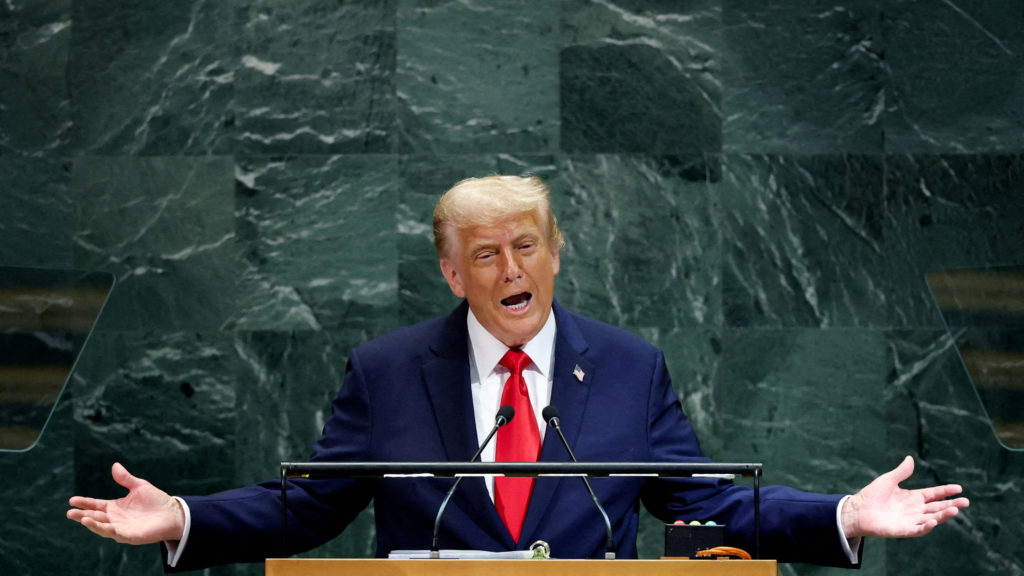
NEW YORK — In a characteristically disruptive address on the sidelines of the United Nations, Donald Trump delivered an extraordinary dual-track message to Tehran: threatening total military destruction while simultaneously forecasting a comprehensive diplomatic breakthrough following the upcoming U.S. midterm elections.
Speaking to international delegates and world leaders, Trump warned that the United States possesses the unilateral firepower to "annihilate" the Islamic Republic if provoked, but framed the current geopolitical impasse as temporary. The former president and Republican standard-bearer signaled that the domestic political calendar remains the central determinant of foreign policy, projecting that direct bilateral negotiations would materialize swiftly once the midterm cycle concludes.
The stark juxtaposition of apocalyptic rhetoric and transactional diplomacy sent immediate ripples through international capital markets, driving a sharp uptick in crude oil volatility and sparking intense debate across foreign ministries from Riyadh to Brussels.
Between the Sword and the Deal: Decoding the Escalation
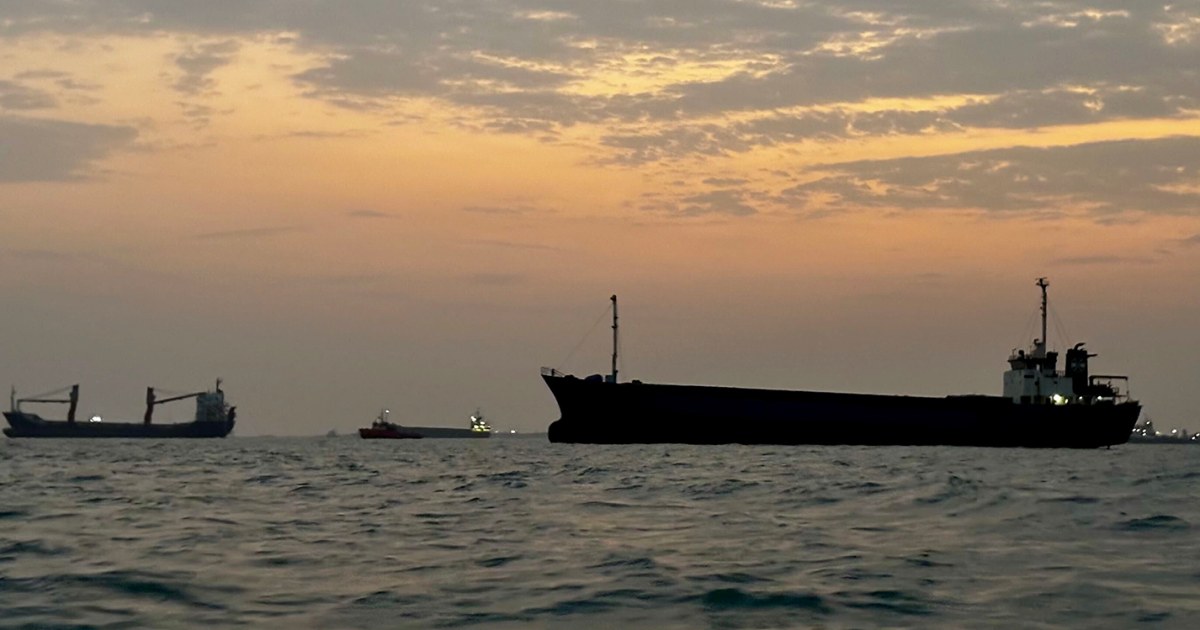
The statements, delivered against the backdrop of heightened naval tensions along the Persian Gulf and renewed scrutiny over critical maritime transit corridors, mark a deliberate return to the doctrine of "maximum pressure" fused with high-stakes unpredictability.
Trump’s remarks directly invoked the threat of kinetic force while positioning diplomatic capitulation as Tehran's only viable survival strategy. "We could annihilate them without breaking a sweat, and they know it," Trump stated, according to wire reports. "But nobody wants that. What we want is a fair deal, a real deal. They are waiting, we are waiting, and right after the midterms, you are going to see things move very fast."
The rhetoric arrives as strategic assets monitor commercial shipping through the Strait of Hormuz, where tanker security and crude flows remain hypersensitive to shifting U.S. enforcement postures. By placing a target timeline on prospective negotiations, the address effectively establishes an interim holding pattern—one fraught with elevated risk of tactical miscalculation.
Strategic Pillars: The Post-Midterm Calculus
Foreign policy analysts and national security strategists view the timing of the overture as an explicit calculation designed to navigate domestic electoral risks while preserving diplomatic optionality:
- Electoral Insulation: By deferring formalized diplomacy until after the midterms, the administration minimizes immediate political vulnerability to charges of appeasement from congressional hardliners, while shielding domestic energy consumers from supply-shock blowback.
- Economic Squeeze as Leverage: Maintaining severe enforcement of secondary sanctions through the electoral cycle maximizes economic duress on Tehran, theoretically weakening the Iranian negotiating team’s opening hand.
- Bilateral Architecture: Trump’s preference for personalized, heads-of-state bargaining circumvents traditional multilateral frameworks, sidelining European intermediaries in favor of a direct Washington-Tehran conduit.
- Cabinet Alignment: Secretary of State Marco Rubio continues to orchestrate a hawkish diplomatic line, balancing aggressive deterrence with the strategic mandate to avoid open-ended regional military commitments.
Diplomatic Reality vs. Maritime Friction
While the prospect of a post-midterm breakthrough offers a diplomatic off-ramp, conditions on the ground remain precarious. The U.S. Department of State and the Pentagon have faced mounting calls from Gulf allies to reinforce tanker transit corridors off southern Iran, where naval skirmishes and boarding attempts have periodically spiked insurance premiums for global shippers.
Secretary of State Marco Rubio echoed the administration's resolve in parallel statements, emphasizing that deterrence remains the primary instrument until Tehran demonstrates verifiable concessions on uranium enrichment thresholds, ballistic missile proliferation, and regional proxy funding.
Tehran’s response has historically pushed back against ultimatums framed within American domestic election cycles. Diplomatic insiders suggest Iranian leadership prefers strategic patience, assessing whether the post-midterm legislative landscape will strengthen or constrain the executive branch's sanctions-relief authorities.
Strategic Assessment: Current Posture vs. Post-Midterm Roadmap
| Strategic Dimension | Pre-Midterm Status Quo | Projected Post-Midterm Target | Primary Geopolitical Risk |
|---|---|---|---|
| Military Posture | Heightened deterrence; kinetic warnings ("Annihilation") | Bilateral de-escalation; defined red-lines | Miscalculation in Strait of Hormuz |
| Sanctions Regime | Maximum enforcement on crude exports | Conditional relief tied to nuclear concessions | Illicit tanker fleet adaptation |
| Diplomatic Channel | Unilateral public ultimatums via U.N. forum | Direct bilateral negotiations (White House/Tehran) | Regional ally resistance (Israel, Gulf bloc) |
| Energy Market Impact | High geopolitical risk premium on Brent crude | Stabilized output quotas; supply normalization | Short-term price spikes on headline risk |
Global Energy and Regional Realignment
For financial markets and energy trading desks, the remarks provide both a warning and a timeline. Oil benchmark indices reacted with immediate intraday volatility, as commodity traders weighed the potential for supply interruptions against the structural dampening effect of an anticipated diplomatic resolution within six to nine months.
Regional partners, notably Israel and Saudi Arabia, are closely monitoring Washington's posturing. While Gulf capitals favor aggressive containment of Iranian asymmetric capabilities, there is broad skepticism regarding whether a rapid post-midterm accord could adequately address Tehran’s advanced nuclear infrastructure or its network of regional militias without compromising regional security architecture.
Looking Ahead
As the midterm elections approach, the administration's dual-track approach faces severe stress-testing. Successfully managing Tehran requires threading an exceedingly narrow needle: applying enough rhetorical and economic pressure to compel concessions without igniting a regional conflict that could destabilize global markets prior to the vote. Whether the post-election window produces a landmark geopolitical deal or an uncontrolled escalation remains the defining foreign policy gamble of the current political cycle.
Frequently Asked Questions
Why is the administration tying Iran negotiations to the U.S. midterm elections?
Conditioning the timeline on the midterm elections allows the executive branch to project maximum domestic strength without risking immediate political fallout from either a military confrontation or controversial diplomatic concessions. It creates an operational buffer, deferring structural policy shifts until congressional majorities are determined.
How are international energy markets pricing this geopolitical dynamic?
Energy markets are currently pricing in a persistent "geopolitical risk premium" driven by potential naval disruptions in the Strait of Hormuz. However, the projection of a post-midterm deal acts as a counterweight, signaling to long-term institutional investors that the administration views economic warfare as leverage toward a negotiated settlement rather than a precursor to sustained kinetic warfare.