Miracle in the Himalayas: Two Men Pulled Alive from Nepal Hydropower Tunnel After a Week Trapped in Floodwaters
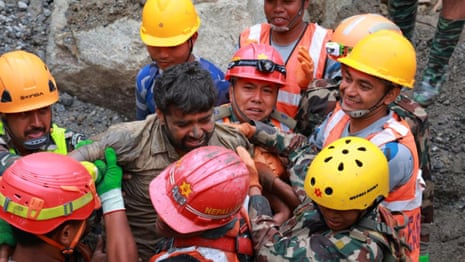
KATHMANDU — In what disaster management officials are calling an extraordinary battle for survival against staggering odds, rescue teams in Nepal have successfully pulled two men alive from a blocked hydropower tunnel more than a week after a catastrophic flash flood tore through the region. The dramatic rescue has captivated the Himalayan nation and drawn international attention, offering a rare beacon of hope amid a mounting regional disaster tied to severe weather and transboundary flooding.
According to initial reports from primary wire sources including the BBC, the survivors endured over seven days cut off from the outside world inside the dark, debris-choked subterranean infrastructure. Their miraculous extraction underscores both the relentless tenacity of local search-and-rescue personnel and the complex, compounding vulnerabilities facing critical infrastructure projects across South Asia's fragile mountain ecosystems.
The Anatomy of Survival: How the Rescue Unfolded
The ordeal began when torrential monsoon rains and sudden upstream surges triggered massive flash floods, overwhelming river basins and sending torrents of mud, rock, and water crashing into regional infrastructure. The sudden deluge trapped workers inside the hydropower tunnel, cutting off escape routes and plunging the subterranean chambers into total darkness.
For more than seven days, hope for finding survivors inside the inundated tunnel had begun to fade as rescue crews battled treacherous conditions, blocked access points, and unstable terrain. However, persistence paid off when specialized teams detected signs of life during systematic clearance operations.
- Duration of Ordeal: Trapped for more than 7 days without standard food or fresh water supplies.
- Location: A regional hydropower tunnel heavily impacted by recent flash flooding.
- Condition upon Extraction: Both men were conscious and have been immediately transferred to a medical facility for urgent evaluation and trauma care.
- Rescue Coordination: A joint effort involving local emergency services, specialized engineers, and disaster response teams.
Medical professionals are currently monitoring the physical and psychological condition of the two survivors. While dehydration, exhaustion, and mild hypothermia are primary immediate concerns, early clinical assessments indicate that both men possess remarkable resilience, having rationed their remaining resources and found pockets of air within the partially flooded structure.
At a Glance: Key Incident Metrics
| Metric | Details |
|---|---|
| Event Type | Subterranean Flash Flood Trapping |
| Time Elapsed | Over 7 Days (168+ Hours) |
| Survivors Rescued | 2 Adult Males |
| Current Status | Hospitalized, Receiving Medical Treatment |
| Primary Source | BBC / Regional Disaster Management Units |
Broader Context: Infrastructure Vulnerability and Regional Floods
This miraculous rescue unfolds against a backdrop of escalating climate volatility across the Himalayan region. Nepal and neighboring regions, including parts of China and northern India, have experienced increasingly erratic weather patterns characterized by sudden, high-intensity cloudbursts. These events frequently trigger devastating flash floods and landslides, putting major civil engineering projects—particularly remote hydropower installations—under intense scrutiny.
Hydropower development is a cornerstone of Nepal’s economic modernization and energy export strategy, driving billions of dollars in foreign investment. However, experts note that the rapid pace of development in steep, ecologically sensitive river valleys often exposes projects to unprecedented hydrological risks. The latest disaster has reignited urgent policy debates regarding early-warning systems, worker safety protocols, and the structural resilience of subterranean facilities in the face of extreme weather anomalies.
Economic and Operational Fallout
Beyond the human toll, the flooding has inflicted severe damage on regional power grids and project infrastructure, threatening temporary setbacks to national energy targets. Energy analysts point out that unexpected downtime at major generation facilities can ripple through regional power markets, impacting industrial output and straining municipal grids.
"The survival of these two men is an absolute miracle that temporarily eclipses the heavy operational losses," said an energy sector analyst based in New Delhi. "Nevertheless, project operators and regulators must conduct rigorous forensic reviews. As weather extremes become the new baseline, disaster response readiness and subterranean safety evacuation routes must be engineered into every phase of hydropower development."
What Lies Ahead for the Survivors and the Investigation
As the two men begin their long road to recovery surrounded by their families, government authorities have announced a comprehensive inquiry into the factors that led to the initial entrapment. Investigators will examine whether early warning telemetry provided adequate lead time for evacuation and why critical exits were compromised so rapidly.
For now, the focus remains firmly on the human element of a story that has gripped international newsrooms. The successful extraction stands as a powerful testament to the human will to survive against impossible odds and the unwavering dedication of rescue workers operating in extreme conditions.
Frequently Asked Questions
How were the two men able to survive for over a week inside the flooded tunnel?
While official debriefings are ongoing, survival experts note that individuals trapped in subterranean environments often owe their lives to localized air pockets, access to residual moisture, and sheer psychological resilience. The exact details of how they managed their resources during the seven-day ordeal will be documented as they recover.
What is the current medical condition of the rescued workers?
Both men were immediately evacuated to a specialized medical facility following their extraction. They are receiving treatment for dehydration, fatigue, and exposure, but doctors report they are stable and conscious.