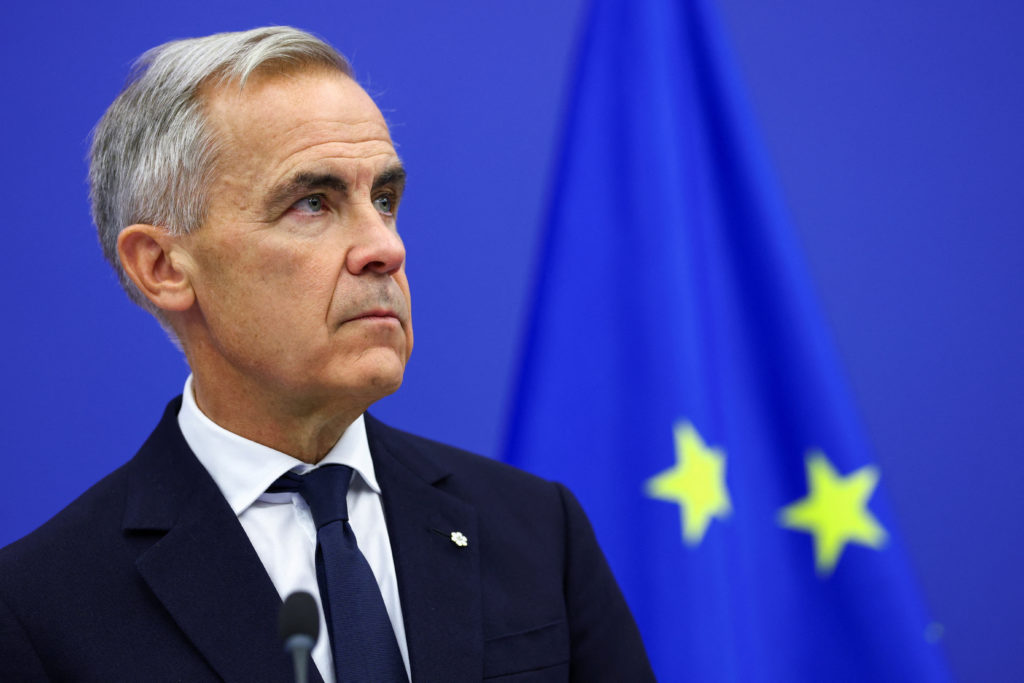
The Special Relationship on the Brink: Why the UK’s Bold New Israel Sanctions Risk Unleashing Trump’s Economic Retaliation
LONDON — In a high-stakes geopolitical gamble that threatens to rupture the fragile post-Brexit alliance between London and Washington, the United Kingdom has pressed forward with a controversial expansion of sanctions targeting Israeli entities. Spearheaded by influential British political figures, most notably Greater Manchester Mayor Andy Burnham, who has increasingly driven the ethical foreign policy debate within the ruling Labour party, this bold diplomatic move has set the UK on a direct collision course with Donald Trump’s incoming administration.
The decision comes at an incredibly volatile moment for global trade and diplomacy. As the United States and Canada slide deeper into a bitter trade war characterized by aggressive tariffs and angry recriminations, London’s decision to penalize Israeli targets risks pulling the UK into Trump’s economic crosshairs. For international investors, multinational corporations, and City of London financial institutions, the development represents a significant escalation in geopolitical risk.
Executive Summary: The Geopolitical Fault Lines
- The Sanctions Pivot: Backed by influential domestic leaders like Burnham, the UK is implementing targeted financial restrictions on organizations linked to West Bank settlement expansion, defying direct warnings from Washington.
- The Trump Threat: Donald Trump’s advisors have made it clear that unilateral European sanctions against Israel will be met with immediate economic counter-measures, including punitive tariffs.
- A Multi-Front Trade War: The escalation coincides with widening trade rifts between the US, Canada, and China, raising fears of a broader Western economic fracture.
- City of London Fallout: Financial institutions are scrambling to assess their exposure as UK-US trade negotiations hang in the balance.
Inside the Decision: Burnham’s Calculus and the Sanctions Regime
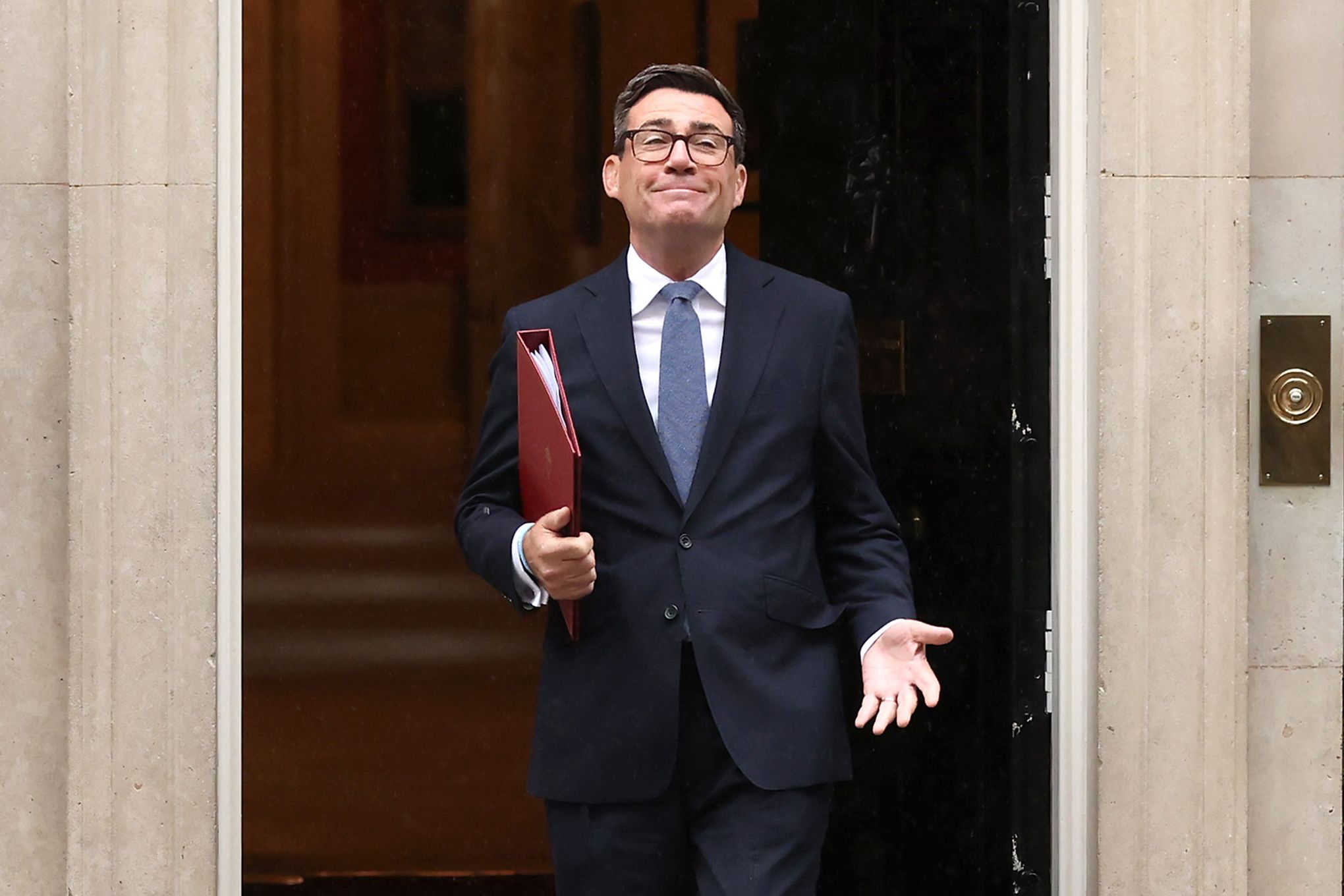
The impetus for the new sanctions highlights a deep-seated ideological shift within British politics since the Labour Party took power. Regional heavyweights like Andy Burnham have leveraged their immense domestic popularity to demand that Prime Minister Keir Starmer align UK foreign policy more closely with international law and humanitarian frameworks, even if it means defying the White House.
The new measures specifically target financial assets and travel privileges of entities accused of funding or facilitating illegal settlements in the West Bank. While Downing Street maintains these actions are legally justified and essential for preserving the long-term viability of a two-state solution, the timing could not be more dangerous. Donald Trump’s transition team has already signaled that his second term will feature an unyielding, maximum-support policy for Israel, leaving no room for allied dissent.
By championing these measures, Burnham and his allies are betting that ethical foreign policy will resonate with the British electorate. However, critics argue that this moral stance ignores the brutal realities of global trade. Under Trump, foreign policy and trade policy are inextricably linked; a diplomatic insult in London will almost certainly be answered with a tariff hike in Washington.
The Trump Factor: Tariffs as a Foreign Policy Weapon
The looming clash between London and Washington is not happening in a vacuum. To the north, the historic, undefended border between the United States and Canada has turned into a economic battleground. Trump’s threats of a sweeping 25% tariff on Canadian imports have triggered retaliatory warnings from Ottawa, showcasing Trump’s willingness to disrupt historical alliances to achieve his policy objectives.
For the UK, the consequences of entering Trump's trade blacklist could be devastating. The British economy is already struggling with sluggish growth, high public debt, and a desperate need to attract foreign direct investment. Labour’s current strategy to reform financial regulations to lure the global ultra-wealthy back to London could be completely derailed if a tariff war with the US dampens transatlantic capital flows.
White House insiders suggest that Trump’s team is already drafting executive orders that would link bilateral trade agreements to absolute alignment on key national security issues, specifically including policy toward Israel and Iran. The UK’s unilateral sanctions are seen by Mar-a-Lago strategists as a direct challenge to American leadership.
The Economic Landscape: What is at Stake?
To understand the sheer scale of the risk the UK is taking, one must look at the integrated nature of US-UK-Israel trade and financial services. Below is a breakdown of the key economic and diplomatic metrics driving this confrontation:
| Economic Indicator | Approximate Value / Status | Potential Impact of US-UK Rift |
|---|---|---|
| US-UK Annual Trade Volume | $300+ Billion | Risk of targeted 10-20% tariffs on British luxury goods, aerospace, and steel. |
| UK-Israel Bilateral Trade | $9.2 Billion | Likely to contract as financial compliance costs rise under the new sanctions regime. |
| Post-Brexit Free Trade Agreement | Stalled Negotiations | Trump administration likely to shelve trade talks indefinitely unless sanctions are reversed. |
| City of London Investment Inflows | Highly Sensitive | US private equity and venture capital firms may redirect flows to more politically aligned EU hubs. |
Looking Ahead: Can London Neutralize the Fallout?
As the reality of a renewed Trump presidency settles over European capitals, British diplomats are frantically seeking a middle ground. Foreign Office officials are quietly attempting to frame the new sanctions as narrow, legalistic measures rather than a broad geopolitical shift. They hope to convince Trump’s team that the UK remains a vital security partner in NATO and a crucial intelligence-sharing ally through the Five Eyes alliance.
However, the political math remains incredibly difficult. If Prime Minister Starmer backs down to appease Trump, he risks a massive mutiny from the progressive wing of his party, championed by leaders like Burnham. If he stands firm, he risks an economic cold war with Britain's largest single-country trading partner.
Ultimately, this standoff reveals the deep structural challenges facing mid-sized global powers in an era of aggressive, transactional populism. As the US and Canada demonstrate, the old rules of diplomatic decorum no longer apply. For the UK, the price of moral posturing on the world stage may soon be measured in billions of pounds of lost trade.
Frequently Asked Questions (FAQ)
1. Why is Andy Burnham central to this foreign policy dispute?
While Andy Burnham is the Mayor of Greater Manchester and does not formally direct UK foreign policy, he represents the powerful, highly influential regional voice of the Labour Party's progressive base. His public advocacy and the pressure from regional leaders have forced Prime Minister Keir Starmer’s cabinet to adopt tougher stances on ethical trade and human rights, directly shaping the national government's sanctions agenda.
2. How could Donald Trump retaliate against the UK?
Trump’s primary lever of power is economic. He has repeatedly threatened a baseline tariff of 10% to 20% on all foreign imports. For a country like the UK, which relies heavily on exporting financial services, luxury goods, automobiles, and aerospace technology to the US, targeted tariffs or regulatory barriers could severely damage economic growth and derail post-Brexit recovery plans.