Democracy at Gunpoint: Inside Russia’s Forced ‘Elections’ Across Occupied Ukraine
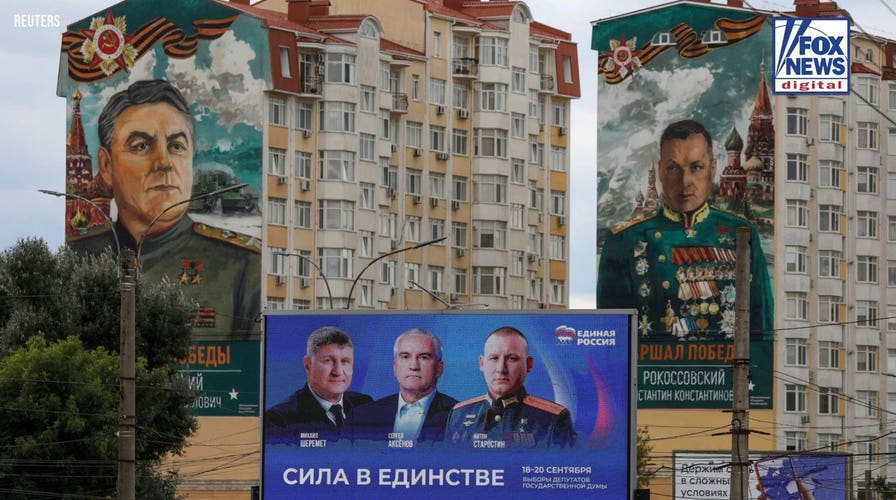
Armed soldiers carrying transparent ballot boxes door-to-door. Local residents pressured to vote at gunpoint. Candidates handpicked by Moscow, with no real opposition allowed. This is the stark reality on the ground as the Russian Federation extends its regional and parliamentary elections into the occupied territories of Ukraine—specifically Donetsk, Luhansk, Zaporizhzhia, and Kherson.
Dubbed by international observers as a "Potemkin franchise," the vote represents Moscow's latest bureaucratic maneuver to legitimize its unilateral, illegal annexation of nearly 20% of Ukraine’s sovereign territory. While the Kremlin frames the elections as a triumph of local self-determination, Western capitals and Kyiv have denounced the process as a coercive sham designed to rubber-stamp pre-determined outcomes.
Executive Summary: The Coercive Ballot
- The Scope: Elections are being staged across four partially occupied Ukrainian oblasts, even as active front-line combat continues nearby.
- The Method: "Mobile voting" units, escorted by armed Russian soldiers, are visiting private homes to maximize "turnout" under intense psychological pressure.
- The Objective: To cement administrative control, force Ukrainian citizens to accept Russian passports, and project a false narrative of normalization to the domestic Russian audience.
- The Global Backlash: The United Nations, the United States, and the European Union have declared the elections null and void, warning of impending sanctions against those organizing the vote.
The Mechanics of Coercion: How the Vote is Conducted
Unlike conventional elections, the voting process in occupied Ukraine is marked by a complete absence of democratic norms. Reports from local partisan groups, Ukrainian intelligence, and independent journalists paint a grim picture of systemic intimidation. Because hundreds of thousands of residents have fled the occupied zones since the 2022 invasion, Russian authorities have abandoned traditional voter registries.
Instead, polling officials—accompanied by masked, armed soldiers—are walking through residential neighborhoods. Residents are permitted to vote using Ukrainian passports, driving licenses, or any form of identification, provided they cast a ballot. This lax identification rule is designed to artificially inflate turnout figures in depopulated towns and cities.
"They knock on your door, they hold a plastic box, and their companion is holding an assault rifle," says Yuriy, a resident of the occupied Kherson region who spoke on the condition of anonymity. "You don’t ask who the candidates are. You just check the box they point to and hope they leave."
The ballot papers feature candidates almost exclusively from Russia's ruling party, United Russia, alongside a handful of state-sanctioned loyalist parties. Genuine opposition figures and anti-war candidates have been entirely barred from running, jailed, or forced into exile.
A Snapshot of the Contested Vote
The scale of the electoral exercise covers heavily fortified regions where the battle lines remain highly volatile. Below is an overview of the territories involved in the vote:
| Region (Oblast) | Estimated Russian Control | Key Proxy Leaders Imposed by Moscow | Primary Electoral Goal |
|---|---|---|---|
| Donetsk | Approx. 60% | Denis Pushilin | Consolidate long-term proxy administration |
| Luhansk | Approx. 95% | Leonid Pasechnik | Demonstrate complete integration with Russia |
| Zaporizhzhia | Approx. 70% | Yevgeny Balitsky | Legitimize control over Europe's largest nuclear plant area |
| Kherson | Approx. 75% (left bank) | Vladimir Saldo | Establish administrative buffer zone near Crimea |
Why Now? The Geopolitical and Domestic Strategy
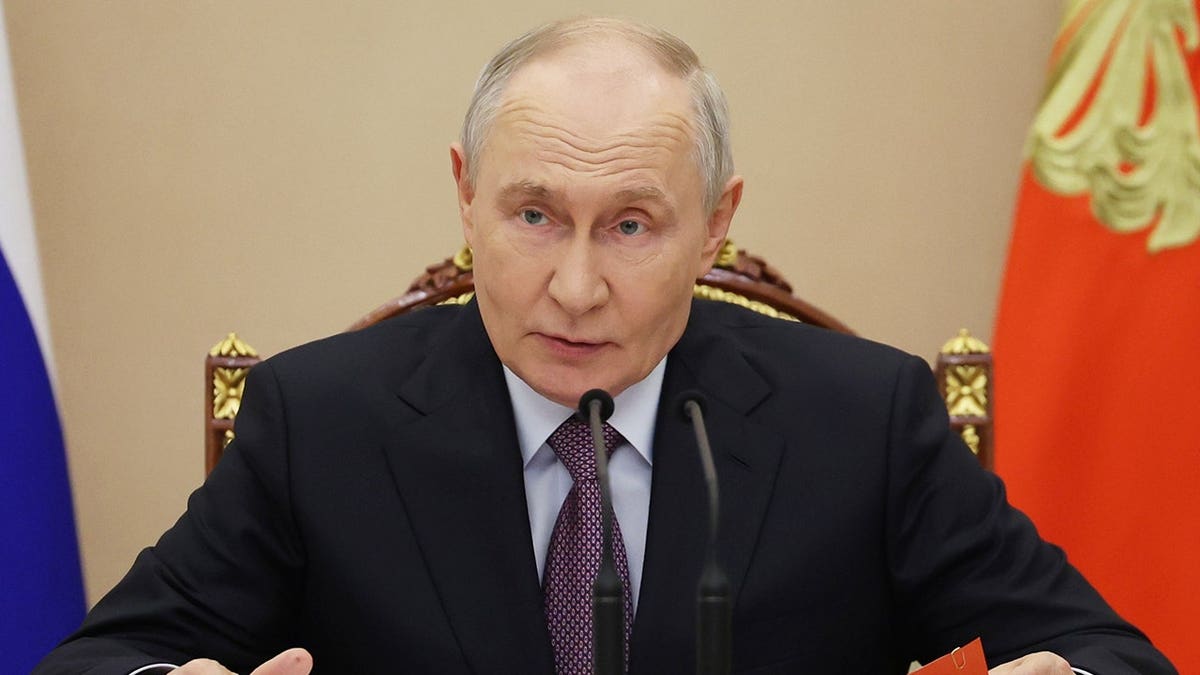
From a purely military standpoint, holding an election in an active war zone makes little sense. However, for Russian President Vladimir Putin, the timing is deeply strategic. Domestically, the Kremlin needs to signal to the Russian public that the "Special Military Operation" is yielding permanent territorial gains that are now fully integrated into the Russian legal and administrative framework.
Furthermore, the elections serve as an administrative trap for the remaining local population. By participating in the vote, Ukrainian citizens are pushed closer to accepting de facto Russian citizenship. In many occupied areas, access to healthcare, pensions, employment, and property rights has already been made contingent upon holding a Russian passport. The election is another mechanism to force assimilation and weed out dissent.
For Kyiv, the voting is a blatant violation of international law. Ukrainian officials have warned that any citizen actively helping to organize the elections faces criminal prosecution for collaboration. However, they have clarified that ordinary citizens forced to vote under physical duress will not be penalized.
Economic and International Fallout
The geopolitical ramifications of this sham vote are already unfolding on the global stage. The U.S. State Department has labeled the elections a "propaganda exercise" and warned that anyone supporting them—including international "observers" invited by Moscow—could face visa restrictions and financial sanctions.
Global markets and geopolitical analysts view this move as a signal that Russia has no intention of engaging in meaningful peace negotiations. By codifying these regions into its political system, Moscow is drawing a hard line, signaling that any future ceasefire talks must begin with the permanent surrender of these territories—a condition that Ukraine and its Western allies have repeatedly deemed unacceptable.
Future Outlook: The Illusion of Integration
While Moscow will inevitably declare a landslide victory for United Russia, the long-term stability of its administrative control remains highly tenuous. Ukrainian partisan movements continue to operate behind the lines, targeting collaborationist officials and polling infrastructure. Simultaneously, Ukraine's armed forces continue localized counter-offensives to reclaim these very lands.
Ultimately, these elections will not alter the legal status of the occupied territories in the eyes of the international community. Instead, they serve to deepen the geopolitical chasm, ensuring that the conflict remains an existential struggle with no diplomatic resolution in sight.
Frequently Asked Questions (FAQ)
Can these election results be legally recognized internationally?
No. Under international law, including the UN Charter and multiple UN General Assembly resolutions, the annexation of Ukrainian territories by Russia is illegal. Consequently, any electoral processes conducted under occupation are deemed invalid, and their results will not be recognized by the United Nations, the European Union, the United States, or the vast majority of sovereign nations.
What are the consequences for Ukrainians living in these areas?
For ordinary residents, the pressure is immense. Refusing to vote can lead to being labeled "unreliable" by occupation authorities, which carries risks of detention, property confiscation, or loss of access to basic services. Ukrainian authorities have urged residents to avoid polling stations if possible but have explicitly stated that those forced to vote under direct threat of violence will not face legal retaliation from Kyiv.