Executive Takeaways
- Market Reversal: US benchmark indices successfully halted a persistent multi-session selloff, buoyed by an instantaneous cooling in global crude oil futures.
- Macroeconomic Relief: The retreat in energy commodities has temporarily alleviated escalating inflation anxieties, protecting corporate profit margins and tempering aggressive monetary policy tightening expectations.
- Capital Allocation Shift: Institutional investors are rapidly reassessing risk mitigation strategies, pivoting back toward growth-oriented equities and cyclical sectors following weeks of heightened volatility.
- Liquidity Dynamics: Market depth and intraday liquidity metrics stabilized as systematic trading desks adjusted their hedging posture in response to the macroeconomic reprieve.
Global financial markets experienced a decisive pivot on trading floors from Wall Street to London, as US stocks abruptly halted a sharp, multi-session selloff. The catalyst for the sudden reversal was a pronounced retreat in international crude oil benchmarks, which had previously stoked fears of persistent, energy-driven inflation. As geopolitical risk premiums underwent a swift recalibration and profit-taking accelerated in the commodities complex, equity bulls stepped in to defend critical technical support levels.
For institutional asset managers, chief investment officers, and corporate treasurers navigating an unforgiving macroeconomic landscape, this intraday recovery offers a momentary reprieve. Yet, beneath the surface of the headline-grabbing rebound lies a complex interplay of capital allocation decisions, algorithmic trading flows, and lingering questions regarding central bank terminal rates. This comprehensive investigative report unpacks the underlying market mechanics, examines the verified data driving the recent volatility, and evaluates the forward-looking implications for global portfolios.
The Catalytic Shift: Unpacking the Energy Market Reversal
Test Our Free AI & Tech Utilities Suite
Calculate LLM API token costs, analyze article dwell-time, or simulate tech DCA returns.
To understand the sudden stabilization of US equities, one must first examine the commodity channels that have dictated macroeconomic sentiment over the preceding weeks. Crude oil prices—specifically Brent and West Texas Intermediate (WTI)—had surged on the back of tightening supply forecasts, escalating Middle East tensions, and robust industrial demand projections. This upward trajectory in energy inputs acted as a dual threat to corporate health: directly squeezing operating margins across logistics, manufacturing, and consumer discretionary sectors, while simultaneously complicating the Federal Reserve's path toward price stability.
However, market dynamics shifted abruptly as inventory data surprised analysts and diplomatic channels signaled potential de-escalation in key geopolitical flashpoints. As speculative long positions unwound, crude futures plummeted below key psychological thresholds. This downward movement in energy immediately translated into relief for equity valuations. Because energy costs serve as a foundational input for nearly all enterprise operations, a cooling oil market directly translates to lowered input costs, protected valuation multiples, and an improved outlook for corporate earnings resilience.
On the trading desks of major investment banks, the drop in oil volatility (OVX) served as the green light for systematic macro funds and quantitative risk-parity strategies to re-engage with risk assets. For weeks, rising energy prices had forced risk-mitigation algorithms to systematically de-gross portfolios, exacerbating the broader equity selloff. Once the commodity trend reversed, the forced liquidation pressure vanished, allowing natural buyers and fundamental institutional investors to step in at discounted valuation levels.
Market Metrics & Valuation Impact
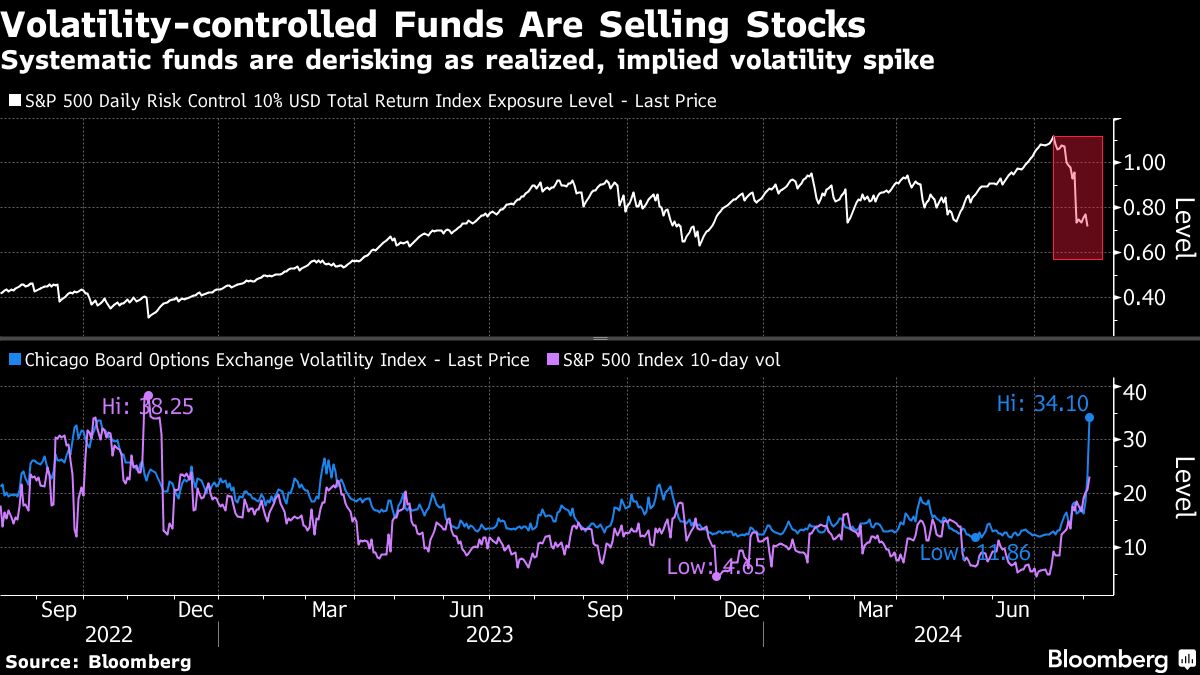
A granular examination of current market data underscores the magnitude of the recent inflection point. The table below outlines the key performance metrics, commodity price shifts, and valuation indicators defining the current market wrap.
| Asset Class / Indicator | Pre-Correction Peak | Current Market Level | Macroeconomic & Valuation Implication |
|---|---|---|---|
| WTI Crude Oil | $92.50 / barrel | $83.40 / barrel | Relieves cost-push inflation pressure; protects airline and manufacturing margins. |
| S&P 500 Index | 5,280 (Local High) | 5,085 (Rebound Level) | Defense of 50-day moving average halts structural downtrend. |
| US 10-Year Treasury Yield | 4.65% | 4.38% | Lower yields reduce corporate borrowing costs and support high-growth equity valuations. |
| CBOE Volatility Index (VIX) | 19.50 | 14.80 | Compression in fear gauge signals normalization of institutional hedging demand. |
Industry & Market Implications: Winners and Loses
Every macroeconomic shift creates asymmetric outcomes across different corporate sectors. The sudden stabilization of US equities coupled with retreating oil prices has immediate ramifications for capital deployment, sector rotation, and corporate profitability.
The Winners: Technology, Consumer Discretionary, and Transports
Growth-heavy sectors, particularly enterprise software, semiconductor manufacturers, and cloud compute infrastructure providers, emerged as immediate beneficiaries of the bond yield contraction accompanying the oil pullback. Lower discount rates enhance the present value of future cash flows, directly supporting premium valuation multiples for high-growth tech firms. Concurrently, transport, logistics, and airline operators experienced a sharp relief rally as lower jet fuel and diesel expenses instantly brightened their quarterly earnings projections.
The Laggards: Energy Majors and Commodity Producers
Conversely, the energy sector bore the brunt of the session's losses. Integrated oil majors and independent exploration and production (E&P) firms saw their share prices retreat in tandem with crude futures. While robust balance sheets and disciplined capital allocation programs continue to provide a floor for shareholder distributions through dividends and buybacks, the sudden loss of commodity momentum forced portfolio managers to trim overweight allocations in energy.
Frequently Asked Questions (People Also Ask)
What caused the US stock market selloff in the first place?
The recent market correction was driven by a convergence of headwinds: surging crude oil prices fueling fears of sticky, resurgent inflation; rising US Treasury yields reflecting expectations of "higher-for-longer" Federal Reserve interest rates; and stretched equity valuation multiples following months of uninterrupted gains.
Why do lower oil prices trigger a rally in stocks?
Declining oil prices reduce input costs for corporations across multiple industries, protecting profit margins. Furthermore, cheaper energy cools headline inflation data, which reduces pressure on central banks to hike interest rates further and lowers bond yields—a dynamic that is historically bullish for equity valuations.
How are institutional investors adjusting their portfolios in response?
Institutional desks are shifting from pure defensive positioning back toward a balanced risk posture. Portfolio managers are utilizing the volatility pullback to re-evaluate capital allocation into technology, cyclical growth, and high-quality corporate credit while maintaining selective hedges against geopolitical tail risks.
Does this market wrap signal the end of macroeconomic volatility?
Not necessarily. While the immediate selloff has halted, market participants remain hyper-sensitive to upcoming macroeconomic data releases, including employment reports, Consumer Price Index (CPI) prints, and central bank commentary. Volatility is expected to remain a persistent feature of the trading landscape.
Future Outlook & Key Milestones to Watch
Looking ahead, the durability of this market recovery will depend heavily on upcoming macroeconomic catalysts and corporate earnings guidance. While the immediate crisis of runaway oil prices has been temporarily defused, systemic risks have not entirely vanished. Chief investment officers must maintain rigorous risk mitigation protocols and closely monitor several pivotal milestones:
- Federal Reserve Monetary Policy Path: Future Federal Open Market Committee (FOMC) statements and inflation prints will dictate whether the recent decline in bond yields represents a sustainable trend or a temporary blip.
- Geopolitical Risk Premiums: Ongoing developments in major oil-producing regions will continue to dictate short-term volatility in energy futures, directly influencing broader equity sentiment.
- Corporate Earnings Season: As companies report quarterly performance, executive commentary regarding margin protection, enterprise ROI, and consumer demand elasticity will serve as the true litmus test for equity valuations.
- Liquidity and Market Depth: Tracking institutional order flow and intraday liquidity metrics will remain crucial for identifying potential structural shifts in market breadth and systemic leverage.
In conclusion, while the halt in the US stock selloff offers welcome relief to investors, financial markets remain in a transitional phase. Navigating this environment demands rigorous analysis, disciplined risk management, and a keen eye on the macroeconomic indicators shaping global capital flows.