Introduction: The Fed Pause and the New Macroeconomic Equilibrium
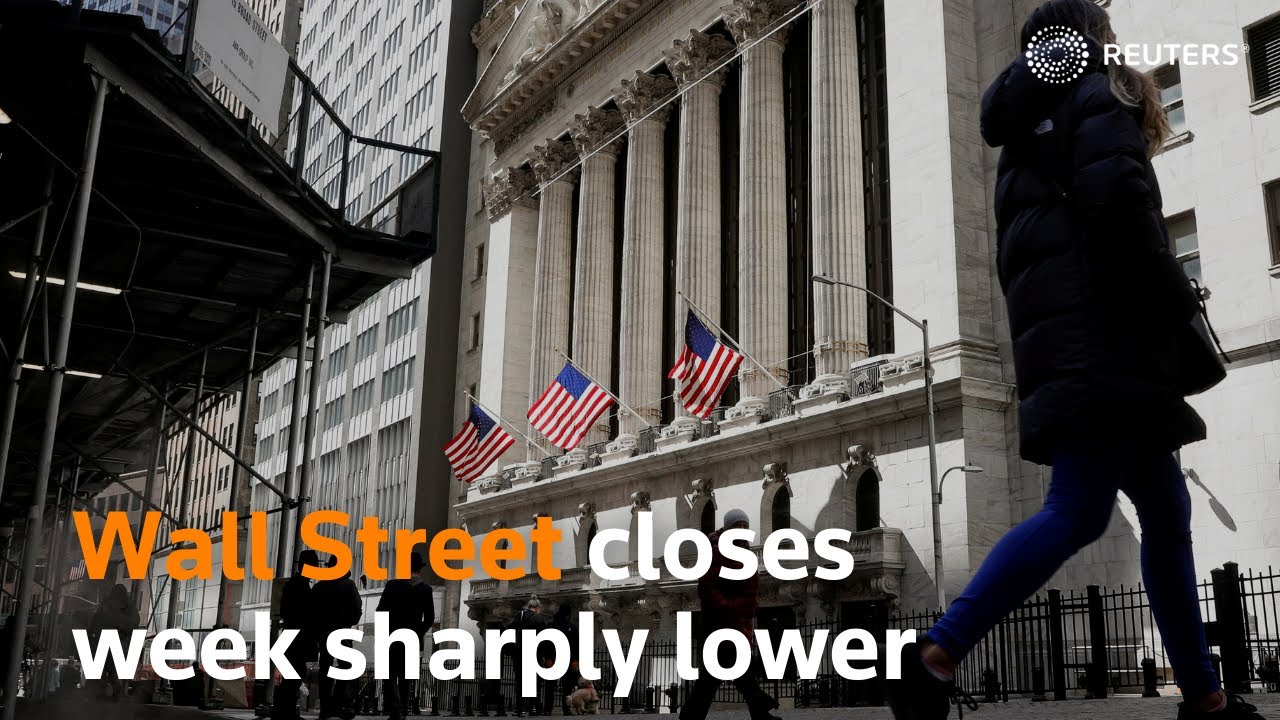
NEW YORK — Wall Street delivered a resilient performance in the latest trading session, closing higher across major benchmarks after the Federal Reserve elected to hold its key interest rate steady. The widely anticipated move provides a temporary anchor for capital markets, allowing institutional investors, wealth managers, and corporate treasurers to pivot their focus from central bank prognostication to the hard metrics of corporate earnings.
As trading desks across Lower Manhattan processed the FOMC policy statement, the immediate reaction was one of calculated optimism. Yet, beneath the surface of modest index gains lies a complex narrative of structural transition. Market participants are navigating an environment defined by tightening credit conditions, evolving regulatory compliance demands, and a relentless corporate quest for artificial intelligence monetization and enterprise ROI.
The FOMC Directive: Balancing Inflationary Pressures and Market Liquidity

The decision by Federal Reserve Chairman Jerome Powell and the FOMC to maintain the current target range for the federal funds rate reflects a delicate balancing act. While headline inflation metrics have shown notable moderation from their generational peaks, labor market resilience and sticky service-sector inflation continue to complicate the central bank's path toward its statutory 2% target.
For institutional asset managers, the Fed's pause offers a window of predictability. However, the forward guidance embedded in the central bank's dot plot and economic projections underscores that "higher for longer" remains an active consideration in long-term risk management models. Debt issuance desks note that corporate borrowers are locking in yields where possible, executing strategic liability management to hedge against future interest rate volatility.
Market liquidity remains robust, though unevenly distributed. Mega-cap technology corporations and balance-sheet-heavy financial institutions continue to command the lion's share of institutional capital flows, while smaller-cap enterprises face ongoing pressures regarding debt refinancing costs and borrowing margins.
Corporate Earnings Take Center Stage: Cloud Compute and Enterprise Resilience
With monetary policy neutralized for the immediate term, portfolio managers have redirected their analytical rigor toward fundamental equity research. Earnings season has emerged as the true litmus test for market valuations, which have hovered near historically elevated multiples.
Recent reports from major technology enterprises have provided vital respite for jittery investors. Microsoft’s latest quarterly disclosure, showcasing accelerated cloud growth and robust cash flow generation, served as a bellwether for the broader technology sector. The metrics underscored that enterprise customers continue to prioritize digital transformation, cloud migration, and secure data infrastructure scalability, even amid broader corporate spending caution.
Key Pillars of Current Corporate Performance:
- Cloud Compute Architecture: Continued migration to hyper-scale cloud environments is driving predictable, recurring revenue streams for software and infrastructure leaders.
- Capital Allocation Discipline: Corporate executives are increasingly emphasizing share buybacks, strategic mergers and acquisitions, and R&D efficiency over speculative expansion.
- Margin Protection: Supply chain normalization and aggressive cost-containment measures have allowed multinational corporations to defend operating margins against wage inflation.
Verified Data & Market Metrics Breakdown
To contextualize the current market environment, the following table outlines key financial indicators, macroeconomic data points, and market sentiment metrics tracked by institutional trading desks:
| Economic / Market Indicator | Current Reading | Prior Period / Target | Institutional Impact & Analysis |
|---|---|---|---|
| Federal Funds Target Rate | 5.25% – 5.50% (Held) | 5.25% – 5.50% | Maintains current borrowing costs; provides short-term stability for corporate debt issuance. |
| S&P 500 Index Reaction | Closed Higher (+0.6%) | Previous Close | Reflects investor relief over a dovish Fed pause and strong mega-cap earnings reports. |
| Tech Sector Cloud Growth (YoY) | +24% (Aggregate) | +21% | Demonstrates sustained enterprise demand for scalable cloud and AI infrastructure. |
| 10-Year U.S. Treasury Yield | 4.22% | 4.28% | Easing yields relieve pressure on equity valuation multiples and growth stock pricing. |
Industry & Market Implications: Winners, Losers, and Economic Shifts
The macroeconomic equilibrium established by the Fed's rate freeze creates distinct bifurcation across industrial sectors. Understanding these dynamics is critical for institutional asset allocation and risk mitigation.
The Winners
Technology conglomerates, cloud infrastructure providers, and companies with pristine balance sheets and high free cash conversion are immediate beneficiaries. These entities possess the pricing power and cash reserves necessary to navigate elevated capital costs while continuing to invest aggressively in transformative technologies like generative AI and automated enterprise software.
The Losers
Conversely, capital-intensive industries with high debt loads—such as commercial real estate, smaller-scale biotechnology firms, and highly leveraged consumer discretionary brands—continue to face structural headwinds. Refinancing maturing debt at current market rates compresses profit margins and limits corporate agility.
Frequently Asked Questions (People Also Ask)
Why did Wall Street close higher after the Federal Reserve held rates steady?
Wall Street advanced because the Fed's decision to leave the benchmark interest rate unchanged was largely priced in by markets, removing near-term uncertainty. Furthermore, accompanying commentary from the central bank was interpreted as balanced, coupled with strong corporate earnings reports that reassured investors regarding underlying economic growth.
How do interest rate pauses impact corporate earnings and valuation multiples?
A pause in interest rate hikes provides visibility for corporate financial planning, lowering the cost of capital uncertainty. When borrowing costs stabilize, valuation models (such as discounted cash flow analyses) become more reliable, often supporting higher equity multiples for companies demonstrating consistent revenue growth and disciplined capital allocation.
What role do cloud computing and AI infrastructure play in current market trends?
Cloud compute architecture and AI infrastructure represent the primary growth engines for the technology sector. As enterprises prioritize digital efficiency and automation, capital flows heavily toward firms offering scalable cloud services, driving robust cash flows that offset broader macroeconomic sluggishness.
What should investors monitor next as earnings season progresses?
Institutional investors are closely monitoring forward-looking guidance from corporate executives, metrics regarding consumer credit health, enterprise IT spending budgets, and upcoming labor market data releases to gauge the trajectory of the broader economy.
Future Outlook & Strategic Milestones
Looking ahead, Wall Street remains in a data-dependent holding pattern. While the immediate catalyst of the FOMC rate decision has passed, upcoming releases on employment, personal consumption expenditures (PCE) inflation, and advance GDP estimates will dictate the timing of any future monetary policy shifts.
For chief investment officers and senior portfolio managers, the mandate is clear: maintain disciplined risk mitigation protocols, prioritize companies with proven enterprise ROI and scalable business models, and remain agile as global capital markets adapt to the evolving macroeconomic landscape.