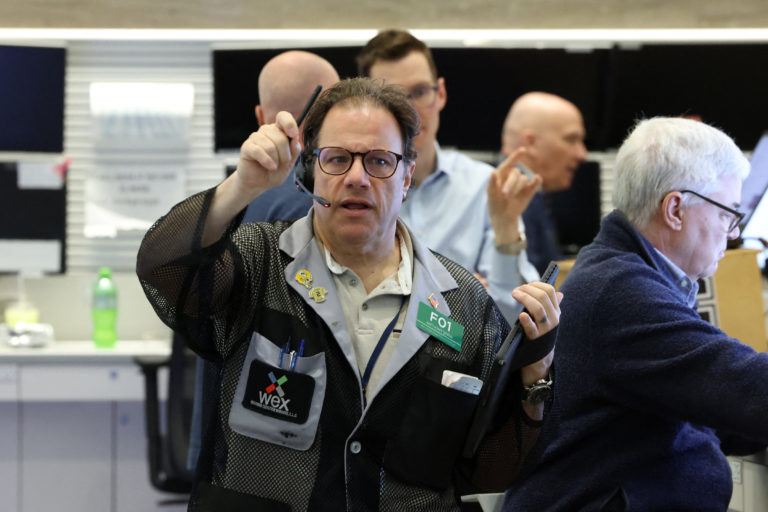
THE PEACE DIVIDEND: S&P 500 Smashes Records in Historic Two-Week Rally as Global Markets Bet on Iran War Exit
NEW YORK — In a stunning display of market resilience, Wall Street climbed to unprecedented heights on Wednesday, April 15, 2026, as the benchmark S&P 500 index extended its blistering two-week rally. Investors aggressively shed defensive postures, spurred by mounting diplomatic signals that the devastating conflict in Iran may finally be heading toward a permanent ceasefire.
The S&P 500 gained 0.8% during a highly active trading session, eclipsing its previous record close and solidifying a fortnight of aggressive gains. The blue-chip Dow Jones Industrial Average and the tech-heavy Nasdaq Composite followed suit, posting robust gains as volatility indices plunged to multi-month lows. The driving force behind this market euphoria is a sudden, tangible hope for geopolitical de-escalation, which has immediately cooled global oil prices and revived appetite for risk assets.
The Geopolitical Catalyst: Why Peace in Iran is a Market Game-Changer
For months, global capital markets have operated under the dark cloud of a wider Middle Eastern war, with localized conflicts in Iran threatening critical global energy shipping lanes, notably the Strait of Hormuz. The persistent threat of supply shocks had kept crude prices elevated, keeping global central banks, including the Federal Reserve, on high alert over sticky inflation.
However, recent diplomatic breakthroughs, reported by international intermediaries and highlighted by PBS News, suggest that negotiations have reached a critical turning point. Analysts believe a formal framework to end hostilities could be announced within days.
The mere prospect of an end to the war has acted as a massive relief valve for the global economy. Brent crude futures dropped below $78 a barrel, a sharp decline from the triple-digit peaks seen at the height of the hostilities. This drop in energy costs is expected to trickle down quickly, lowering manufacturing overheads, reducing shipping logistics costs, and giving consumers more disposable income heading into the second quarter of the year.
Market Dashboard: Major Indices at a Glance
The rally was broad-based, with nine of the eleven primary sectors of the S&P 500 finishing in positive territory. Technology, consumer discretionary, and financials led the charge, while defensive sectors like utilities and consumer staples lagged as traders rotated capital into growth-oriented equities.
| Market Index / Asset | Closing Price / Value | Daily Change (%) | Two-Week Cumulative Change |
|---|---|---|---|
| S&P 500 (SPX) | 5,284.15 | +0.80% | +6.2% |
| Dow Jones Industrial Avg (DJI) | 39,810.30 | +0.65% | +4.8% |
| Nasdaq Composite (IXIC) | 16,420.80 | +1.15% | +8.4% |
| Brent Crude Oil (per barrel) | $77.40 | -2.30% | -11.5% |
| CBOE Volatility Index (VIX) | 12.45 | -5.80% | -22.1% |
Executive Summary: Key Drivers of the Two-Week Rally
To understand the depth of this market turnaround, institutional analysts point to three converging macroeconomic trends that have fueled the bulls over the last fourteen days:
- The Inflation Relief Valve: With energy costs plummeting on hopes of regional stability, Wall Street is recalculating its inflation projections. Lower oil prices mean the Federal Reserve will face less pressure to keep interest rates elevated, opening the door for potential rate cuts later this year.
- Rebound in Global Supply Chains: Multinational corporations have faced severe shipping delays and expensive detours around the Suez Canal and Persian Gulf. A resolution to the Iran conflict promises to restore normalcy to maritime trade routes, instantly boosting corporate profit margins.
- Corporate Earnings Optimism: As the Q1 earnings season gets underway, corporate executives are offering more optimistic guidance for the rest of 2026, citing a more stable geopolitical environment and robust domestic consumer demand.
The Institutional Perspective: "A Massive Weight Has Been Lifted"
"What we are seeing is the classic pricing-in of a 'peace dividend,'" remarked Sarah Jenkins, Chief Market Strategist at Vanguard Global Advisors. "For the last year, asset managers have had to price in a worst-case scenario: a regional war that could drag in superpowers and choke off 20% of the world’s oil supply. With that tail risk suddenly diminishing, capital is flooding back into equities at a remarkable pace."
However, some institutional voices urge caution. While the S&P 500’s record-breaking run is mathematically impressive, market technicians point out that the Relative Strength Index (RSI) is creeping into overbought territory, suggesting a short-term consolidation or minor pullback could occur before the market makes its next leg upward.
Looking Ahead: Can the Bulls Keep the Momentum?
The viability of this rally hinges almost entirely on the successful execution of the proposed diplomatic roadmap. If peace talks stall or if sporadic escalations recur, the market could quickly give back its hard-earned gains. Furthermore, investors will be keeping a close eye on upcoming economic data, including the Consumer Price Index (CPI) and the Federal Reserve's next policy meeting, to see if the drop in energy costs is translating into broader deflationary trends.
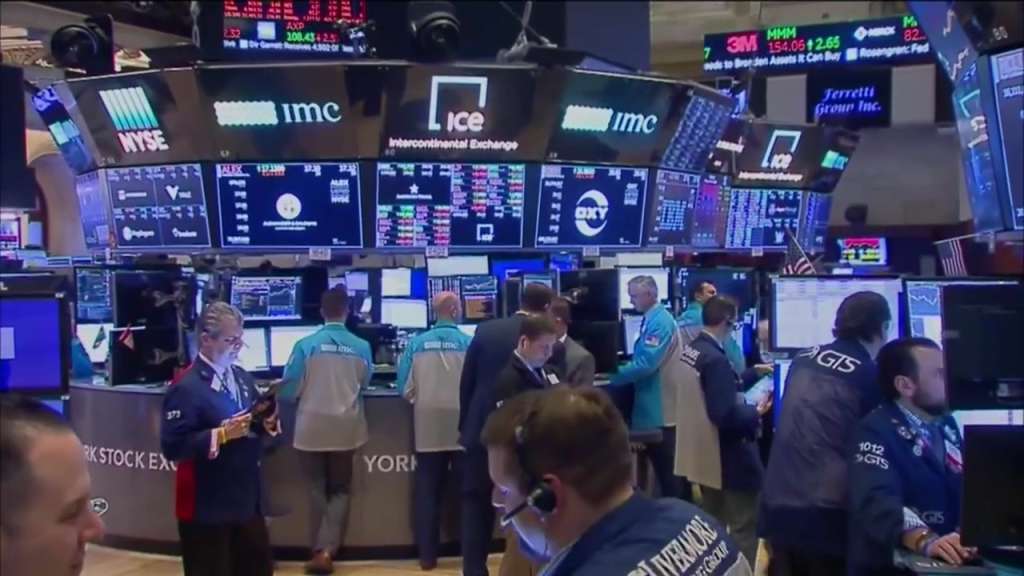
For now, the mood on the floor of the New York Stock Exchange is one of undeniable optimism. After a prolonged period of geopolitical anxiety, Wall Street is betting heavily on a more peaceful, and significantly more profitable, global economic outlook.
Frequently Asked Questions (FAQ)
Why does the potential end of the Iran war have such a dramatic impact on U.S. stock indices?
Geopolitical conflicts in the Middle East directly threaten global oil supplies and vital shipping corridors. High oil prices act as a hidden tax on both consumers and corporations, driving up inflation and forcing central banks to raise interest rates. Hopes for peace lower oil prices, ease inflation fears, and create a highly favorable environment for corporate earnings and equity valuations.
Is this S&P 500 rally sustainable, or is it a classic market overreaction?
While the immediate 0.8% jump and the two-week rally are driven by positive sentiment and short-covering, a sustained bull market will require concrete diplomatic action. If a ceasefire is signed and energy prices remain stable, the fundamental outlook for corporate profits will genuinely improve, supporting these record valuations. However, if talks fail, expect a swift return of market volatility.