Executive Takeaways
- Macroeconomic Rebalance: US equities successfully halted a bruising multi-session selloff, driven primarily by a sharp intraday retreat in global crude oil benchmarks.
- Capital Allocation Shift: Institutional portfolio managers are recalibrating risk mitigation strategies, rotating back into high-beta growth assets and cyclical sectors following the easing of energy-driven inflation anxieties.
- Valuation Multiples: Compressed valuation multiples across technology and industrial sectors are prompting opportunistic institutional buying, despite lingering macroeconomic uncertainties surrounding Federal Reserve monetary policy.
- Market Liquidity Dynamics: Order book depth improved significantly as systematic macro funds unwound defensive shorts, restoring order to Treasury yields and foreign exchange markets.
Global financial markets experienced a decisive inflection point as United States equities broke a persistent downward trajectory, finding immediate relief as international crude oil prices surrendered a significant portion of their recent geopolitical risk premium. The sudden stabilization across Wall Street benchmarks underscores the hypersensitivity of modern algorithmic trading desks and institutional capital allocators to energy price volatility, which remains the primary transmission channel for cost-push inflation.
As trading desks across New York and London digested the latest macroeconomic data and commodity inventory reports, the overarching narrative shifted away from runaway energy shocks toward a more nuanced reassessment of enterprise ROI, corporate earnings durability, and central bank liquidity pathways. This comprehensive investigative report unpacks the underlying market mechanics, institutional maneuvers, and macroeconomic catalysts driving this pivotal market shift.
The Catalytic Retreat: Oil Prices and the Inflation Transmission Mechanism
Test Our Free AI & Tech Utilities Suite
Calculate LLM API token costs, analyze article dwell-time, or simulate tech DCA returns.
The genesis of the recent equity market correction lay firmly in the energy complex. Persistent supply-side disruptions, ongoing geopolitical friction in the Middle East, and tightening physical market fundamentals had propelled Brent crude and West Texas Intermediate (WTI) toward multi-month highs. For institutional risk committees, this surge represented an immediate threat to corporate operating margins, consumer discretionary spending capacity, and the trajectory of core Consumer Price Index (CPI) prints.
However, the macroeconomic paradigm shifted abruptly during the latest trading session. Profit-taking by commodity trading advisors (CTAs), combined with reassurances regarding strategic petroleum reserves and marginal improvements in global supply logistics, triggered a sharp reversal in crude oil futures. As energy prices retreated, the implied probability of aggressive, reactionary monetary tightening by the Federal Reserve receded correspondingly.
This dynamic immediately impacted fixed-income markets. Benchmark US Treasury yields, which had been climbing in tandem with energy costs, experienced a measured pullback. The compression in yields provided vital breathing room for equity valuation models, particularly for capital-intensive industries and long-duration growth assets whose discounted cash flow (DCF) valuations are acutely sensitive to shifts in the risk-free rate.
Corporate Balance Sheets and Sector-Specific Capital Allocation
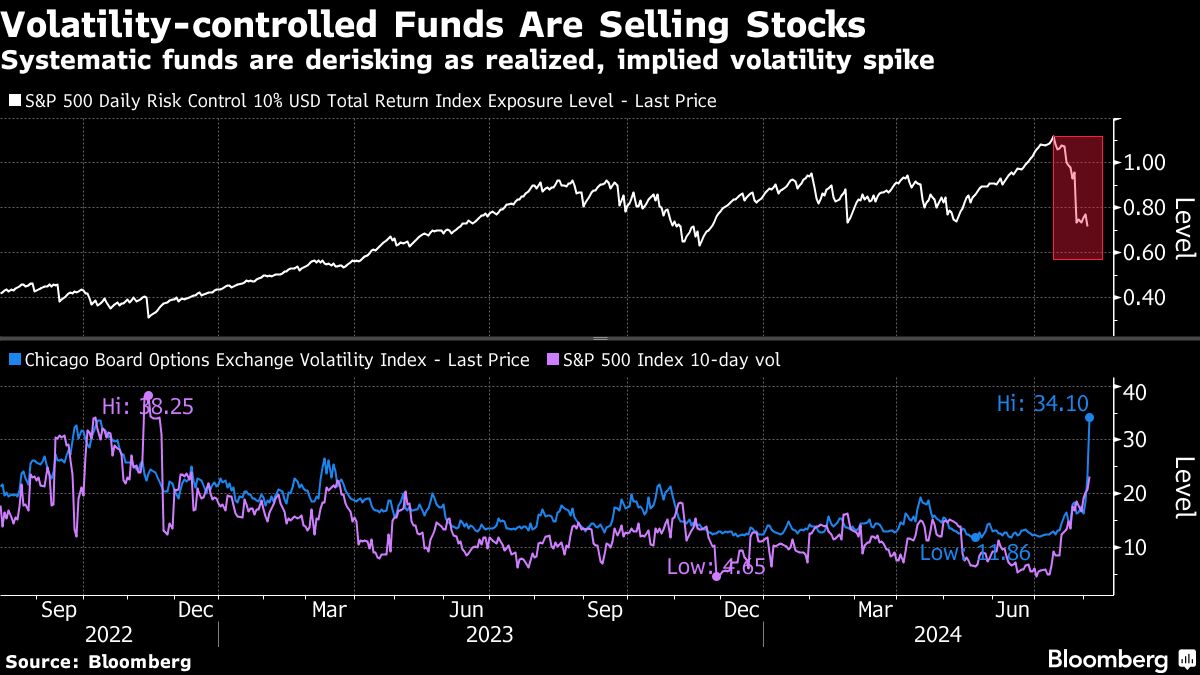
With the acute threat of runaway energy costs momentarily contained, institutional investors turned their attention back to fundamental balance sheet strength and operational efficiency. The selloff had disproportionately punished sectors with high operating leverage, creating compelling entry points for value-oriented asset managers and private equity sponsors looking to deploy dry powder.
Technology conglomerates, which had borne the brunt of the recent risk-off sentiment, led the recovery charge. Enterprise software providers, semiconductor manufacturers, and cloud compute infrastructure leaders saw renewed buying interest as portfolio managers reassessed their exposure. Despite macroeconomic headwinds, corporate capital expenditure (CapEx) directed toward digital transformation, artificial intelligence integration, and cybersecurity remains remarkably resilient.
| Market Indicator | Pre-Correction Baseline | Peak Selloff Level | Current Recovery Position |
|---|---|---|---|
| S&P 500 Index | 5,850.20 | 5,680.45 | 5,795.10 (Stabilizing) |
| WTI Crude (per barrel) | $72.40 | $83.50 | $76.80 (Retreating) |
| US 10-Year Treasury Yield | 4.05% | 4.28% | 4.12% (Easing) |
| CBOE Volatility Index (VIX) | 15.20 | 21.40 | 16.80 (Cooling) |
Industry & Market Implications: Winners and Losers
Market dislocations of this magnitude invariably redistribute wealth across asset classes and industrial segments. Understanding these micro-movements is essential for institutional risk mitigation and portfolio optimization.
- Winners - Technology and Growth Equities: Benefiting directly from lower sovereign bond yields and receding input cost pressures, software-as-a-service (SaaS) providers and semiconductor giants regained lost ground as valuation multiples expanded.
- Winners - Consumer Discretionary: Lower gasoline and energy bills directly bolster household disposable income, offering a reprieve to retail, leisure, and automotive equities that suffered during the height of the oil spike.
- Losers - Energy Producers and Explorers: Integrated oil majors and independent exploration and production (E&P) firms experienced immediate margin compression as spot commodity prices pulled back from their cyclical highs.
- Neutral/Watchlist - Financial Institutions: Banks face a mixed environment; while stabilizing markets reduce credit default swap (CDS) spreads and trading desk volatility, lower long-term yields can compress net interest margins (NIM).
Frequently Asked Questions (People Also Ask)
Why do oil price movements have such an immediate impact on US stock indices?
Crude oil is a foundational input cost for global commerce, manufacturing, transportation, and agriculture. Sudden spikes in energy prices function as a broad-based tax on consumers and corporations alike, driving up production costs and stoking inflationary pressures. Because inflation directly dictates Federal Reserve monetary policy and interest rate trajectories, equity valuation models adjust immediately to reflect higher anticipated borrowing costs and squeezed corporate profit margins.
How are institutional investors adjusting their portfolios following this market stabilization?
Institutional allocators are transitioning from defensive positioning—such as heavy cash hoarding and short-duration fixed-income bias—back toward balanced equity exposure. Risk committees are utilizing the recent correction to acquire fundamentally robust mega-cap technology and industrial leaders at more attractive valuation entry points, while maintaining tactical hedges against potential geopolitical flare-ups in energy markets.
What role do algorithmic trading strategies and CTAs play in these rapid market reversals?
Commodity Trading Advisors (CTAs) and quantitative momentum funds manage capital strictly according to pre-set mathematical models and volatility thresholds. When crude oil breached key technical resistance levels, systematic funds were forced to buy oil and sell equities. Once oil prices stalled and reversed, these same algorithms rapidly unwound their short equity and long oil positions, accelerating the pace of the market stabilization.
Is this equity market rally sustainable over the medium term?
Market sustainability depends heavily on upcoming macroeconomic data releases, particularly employment reports, retail sales figures, and corporate earnings guidance. While the immediate oil shock has abated, structural inflation pressures, ongoing geopolitical risks, and the Federal Reserve's quantitative tightening path mean that volatility is likely to remain a persistent feature of the trading landscape.
Future Outlook: Strategic Milestones to Monitor
As Wall Street digests the latest round of macroeconomic signals, market participants are shifting their focus toward upcoming catalysts that will define the trajectory of risk assets for the remainder of the fiscal year. Key milestones include:
- Federal Reserve Policy Statements: Ongoing scrutiny of central bank communications regarding the timing and magnitude of future interest rate adjustments.
- OPEC+ Production Decisions: Upcoming cartel meetings and production quota adjustments will dictate whether crude oil finds a durable price floor or experiences further downward pressure.
- Q3/Q4 Corporate Earnings Guidance: Executive commentary regarding pricing power, margin resilience, and enterprise technology spending will provide critical visibility into underlying corporate health.
- Treasuary Auction Demand: Bid-to-cover ratios on upcoming sovereign debt issuances will test investor appetite for long-duration fixed income amid shifting fiscal deficit projections.
Ultimately, the ability of US equities to halt their selloff in the face of retreating oil prices demonstrates a resilient underlying market structure. However, in an era defined by macro-driven trading algorithms and fluid geopolitical realities, risk mitigation, disciplined capital allocation, and rigorous valuation analysis remain the ultimate prerequisites for institutional success.