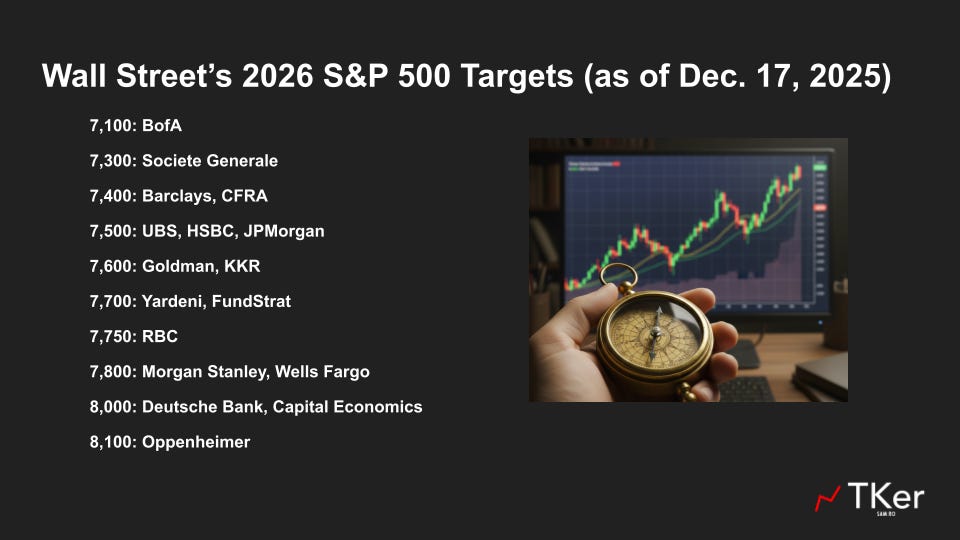
NEW YORK & LONDON — As institutional capital allocators close the books on another volatile trading cycle, Wall Street’s premier investment banks are publishing their consensus outlooks for 2026. The overriding narrative is one of resilient economic expansion, robust corporate earnings, and the continued maturation of generative artificial intelligence (AI). Yet, beneath the veneer of projected double-digit equity gains, a sobering caveat dominates executive boardrooms: structural, monetary, and geopolitical risks are compounding at an unprecedented pace.
Drawing from comprehensive year-end strategy notes, macroeconomic data, and exclusive interviews with senior portfolio managers across major financial centers, this investigative report examines whether the 2026 equity rally can sustain its momentum, or if hidden balance-sheet vulnerabilities will trigger a sharp market repricing.
Executive Takeaways
- Broadened Earnings Growth: Wall Street consensus expects 2026 S&P 500 earnings growth to expand beyond the "Magnificent Seven" mega-cap technology firms into cyclical, industrial, and financial sectors.
- The AI Inflection Point: Enterprise ROI pressure is intensifying, forcing hyperscalers to prove that multi-billion-dollar cloud compute architecture investments are translating directly to bottom-line revenue.
- Fiscal and Tax Catalysts: The impending expiration or reauthorization of major tax legislation serves as a critical variable for corporate capital allocation, share buybacks, and domestic manufacturing incentives.
- Accumulating Risk Vectors: Elevated valuation multiples, persistent regulatory compliance hurdles, and potential liquidity crunches create a fragile foundation for sustained multiple expansion.
The 2026 Macro Landscape: Resilience Tested by Elevated Valuations
Entering 2026, the macroeconomic backdrop remains surprisingly durable. Central banks in both developed and emerging markets have largely navigated the delicate pivot from aggressive inflation-fighting to neutral monetary policy rates. Global liquidity remains adequate, preventing the credit freezes that bears frequently predicted throughout the post-pandemic tightening cycle.
However, equity markets are trading at forward price-to-earnings (P/E) multiples that leave little margin for operational missteps. Historical valuation models suggest that the S&P 500 is currently priced for perfection. For the 2026 bull market to endure, corporate America must deliver not just meeting earnings expectations, but an acceleration in operational efficiency and margin expansion.
According to proprietary strategy reports from leading institutional desks, institutional investors are pivoting away from passive index buying toward active risk mitigation. Portfolio managers are scrutinizing capital allocation strategies, demanding tangible proof of enterprise ROI before committing fresh capital to high-beta growth stocks.
Can the AI Rally Last? The Transition from Infrastructure to Enterprise ROI
The defining trade of the past three years—the relentless accumulation of artificial intelligence infrastructure stocks—faces its ultimate stress test in 2026. The initial phase of the AI boom was characterized by hardware supremacy: semiconductor manufacturers, data center REITs, and cloud compute architecture providers captured historic pricing power.
As we advance through 2026, the market's focus is shifting aggressively downstream. Wall Street analysts note that chief information officers (CIOs) are no longer satisfied with proof-of-concept AI deployments. Enterprise clients demand measurable productivity gains and quantifiable top-line revenue acceleration.
| Market Phase | Primary Drivers (2023–2025) | Critical Focus (2026 & Beyond) | Key Risk Factor |
|---|---|---|---|
| AI Infrastructure | Silicon chips, power grids, liquid cooling, data center construction. | Supply chain normalization, hardware durability, energy availability. | Capital expenditure fatigue among hyperscalers. |
| Enterprise Application | Early adoption, software integration, proof-of-concept testing. | Enterprise ROI, workforce integration, measurable margin expansion. | Sub-par adoption rates and extended sales cycles. |
| Broad Market Participation | Mega-cap tech concentration ("Magnificent Seven"). | Small-cap catch-up, cyclical recovery, financial sector expansion. | Persistent interest rate volatility and tight credit spreads. |
This transition introduces distinct winners and losers. Firms possessing proprietary, highly defensible proprietary data assets and seamless software integration are positioned to dominate. Conversely, hardware suppliers vulnerable to sudden capital expenditure cutbacks by major cloud providers face severe valuation contraction if enterprise demand stumbles.
The Earnings Broadening Phenomenon: Beyond Mega-Cap Tech
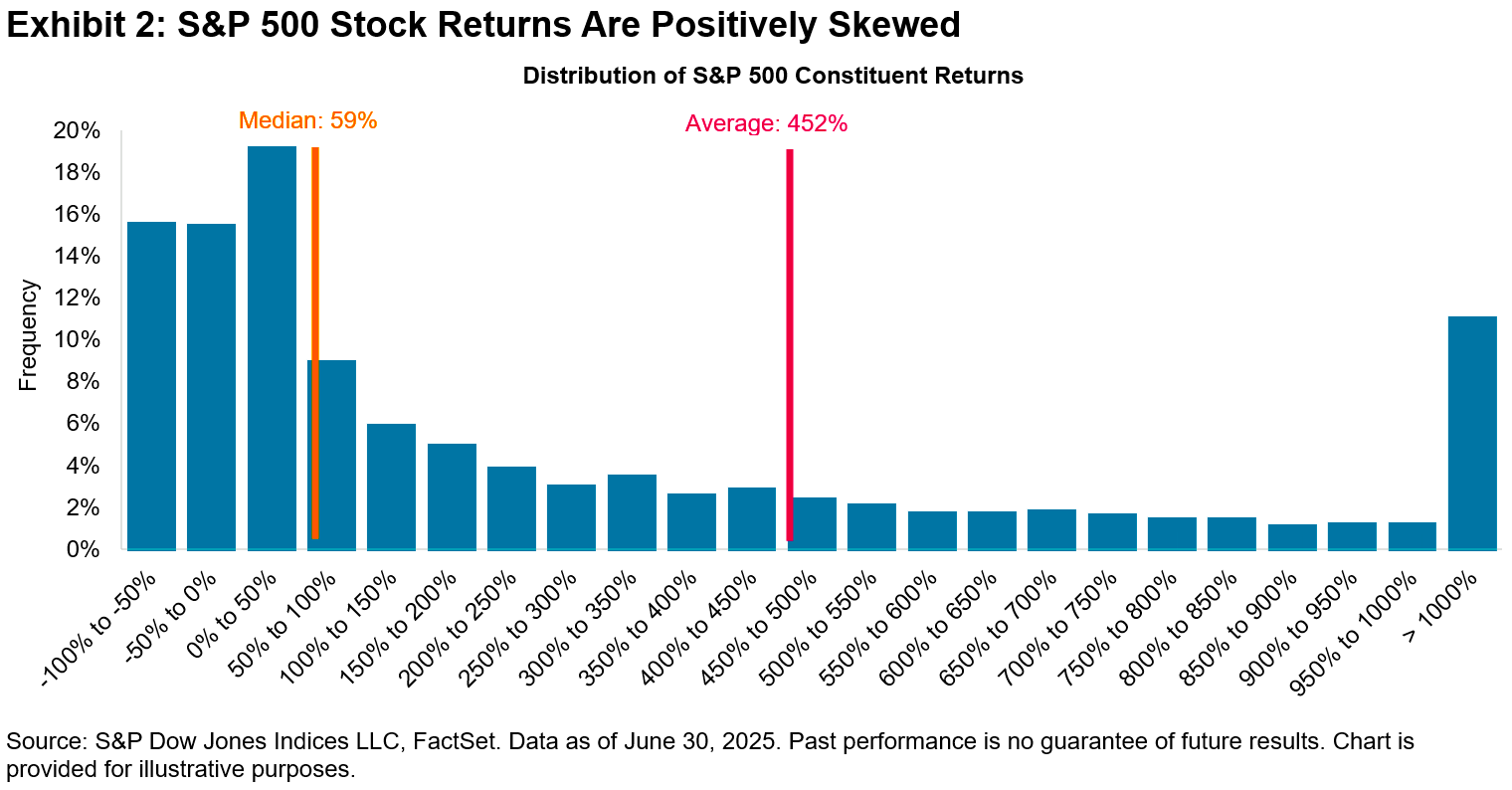
One of the most encouraging signals cited by Wall Street strategists for 2026 is the anticipated broadening of corporate earnings growth. For years, the concentration risk within the S&P 500 reached historic extremes, with a handful of technology titans driving the vast majority of index returns.
As earnings growth diffuses into sectors such as industrials, financials, health care, and consumer discretionary, the health of the broader equity market improves. This market widening is heavily supported by domestic infrastructure spending, supply chain reshoring initiatives, and stabilizing consumer balance sheets.
Nevertheless, wage pressures, higher structural borrowing costs, and tightening regulatory compliance standards will weigh heavily on operating margins. Companies lacking pricing power will struggle to pass rising input costs on to end consumers, separating operational elite performers from margin-diluted laggards.
Policy, Taxation, and Fiscal Headwinds
As legislative bodies debate crucial tax and fiscal policies heading into 2026, corporate boardrooms are operating under a veil of regulatory uncertainty. Tax bill negotiations, potential revisions to corporate statutory rates, and targeted incentives for domestic manufacturing will profoundly dictate corporate cash flows.
A favorable tax and regulatory framework could unlock aggressive share buyback programs and increased capital expenditure budgets. Conversely, unexpected tax hikes or stringent antitrust enforcement could trigger immediate downside revisions to earnings per share (EPS) forecasts across multiple sectors, particularly within technology and healthcare.
Industry & Market Implications
The divergence between macro optimism and micro vulnerability creates a complex environment for market participants:
- The Winners: Nimble mid-cap enterprises with pristine balance sheets, companies providing verifiable operational software efficiencies, and diversified financial institutions capturing robust corporate advisory fees.
- The Losers: Highly leveraged, unprofitable growth companies reliant on continuous external market liquidity, and legacy enterprises slow to adapt to automation and digital transformation.
- Broader Economic Impact: Capital markets will experience heightened intraday volatility as algorithmic trading systems react to incoming economic indicators, employment data, and central bank commentary.
Frequently Asked Questions (People Also Ask)
What is Wall Street's consensus outlook for the S&P 500 in 2026?
Major investment banks project a moderately positive year for equities in 2026, driven by broadened earnings growth across cyclical and industrial sectors. However, because current valuation multiples are elevated, projected returns are expected to be more modest and volatile compared to the explosive gains of the prior two years.
How will artificial intelligence investments impact corporate earnings in 2026?
In 2026, the focus shifts decisively from infrastructure spending to enterprise ROI. Wall Street will closely monitor whether massive investments in cloud compute architecture and AI software translate into demonstrable productivity gains and bottom-line revenue growth for corporate adopters.
What are the primary risks threatening the 2026 equity rally?
Key risk vectors include stretched equity valuations, potential capital expenditure fatigue among tech hyperscalers, regulatory compliance burdens, geopolitical friction, and the unpredictable impact of upcoming fiscal and tax legislation on corporate balance sheets.
Are small-cap stocks expected to outperform large-cap stocks in 2026?
Many strategists anticipate that an expansion in earnings growth will favor select high-quality small- and mid-cap companies, particularly those benefiting from domestic manufacturing and stabilizing borrowing costs. However, small caps remain more vulnerable to tightening credit conditions than their mega-cap counterparts.
Future Outlook and Key Milestones to Watch
As the market navigates 2026, institutional focus will center on specific inflection points. First-quarter earnings reports will serve as an immediate stress test for management teams attempting to justify lofty valuation multiples. Simultaneously, macroeconomic data releases covering employment, inflation stickiness, and manufacturing indices will dictate central bank policy decisions.
For long-term investors and capital allocators, disciplined risk mitigation, rigorous fundamental analysis, and selective sector rotation will separate successful portfolios from those vulnerable to sudden market corrections. The bull market may well continue its ascent, but navigating its terrain in 2026 demands absolute vigilance.