Executive Takeaways
- The Inventory Stagnation: Internal supply chain logs indicate that early iterations and prototype units of Apple’s rumored "HomeView" robotic smart-home hub sat dormant in distribution warehouses for the better part of a year.
- Strategic Pivots & Capital Allocation: The hardware hold-ups underscore persistent internal debates within Cupertino over enterprise ROI, smart-home ecosystem fragmentation, and whether robotics represents a viable high-margin category.
- Competitive Vulnerability: While Apple’s advanced hardware languished in logistics limbo, rivals Amazon and Google aggressively fortified their respective smart-display and ambient computing footprints, pressuring Apple’s valuation multiples in the consumer IoT segment.
- Infrastructure Scalability Hurdles: Integration challenges involving on-device neural processing units (NPUs), localized LLMs, and high-torque tabletop robotic actuators created severe roadblocks for downstream deployment.
CUPERTINO, Calif. — For nearly twelve months, a fleet of high-stakes hardware assets carrying the potential to redefine Apple Inc.’s consumer robotics strategy collected ambient dust in secure logistics facilities. According to supply chain intelligence and investigative disclosures first brought to light through reporting by Mike Pearl at Gizmodo and Will McCurdy at PCMag, early iterations and production units of Apple’s much-anticipated "HomeView"—a tantalizing preview of the company’s future tabletop robotic ambitions—languished in warehouse limbo for the better part of a year.
This inventory bottleneck offers a rare, unobstructed window into the friction-filled intersection of Cupertino’s notoriously rigorous design cycles, shifting executive priorities, and the brutal realities of modern hardware distribution. For institutional investors, tech analysts, and supply chain managers, the revelation exposes deep-seated operational friction surrounding Apple's cautious expansion into ambient computing and domestic robotics—a market fraught with high execution risk and unpredictable consumer adoption curves.
The Genesis of 'HomeView': From Concept to Logistics Purgatory
To understand why advanced robotic hardware assets remained boxed up across distribution hubs, one must examine the sprawling, secretive nature of Apple’s exploratory product groups. Over the past half-decade, as iPhone revenue growth rates normalized, Apple's Special Projects Group (SPG) and associated hardware engineering divisions sought out the next major computing paradigm. Following the wind-down of its multi-billion-dollar autonomous vehicle initiative, Project Titan, engineers and designers were aggressively redeployed into home robotics and spatial computing.
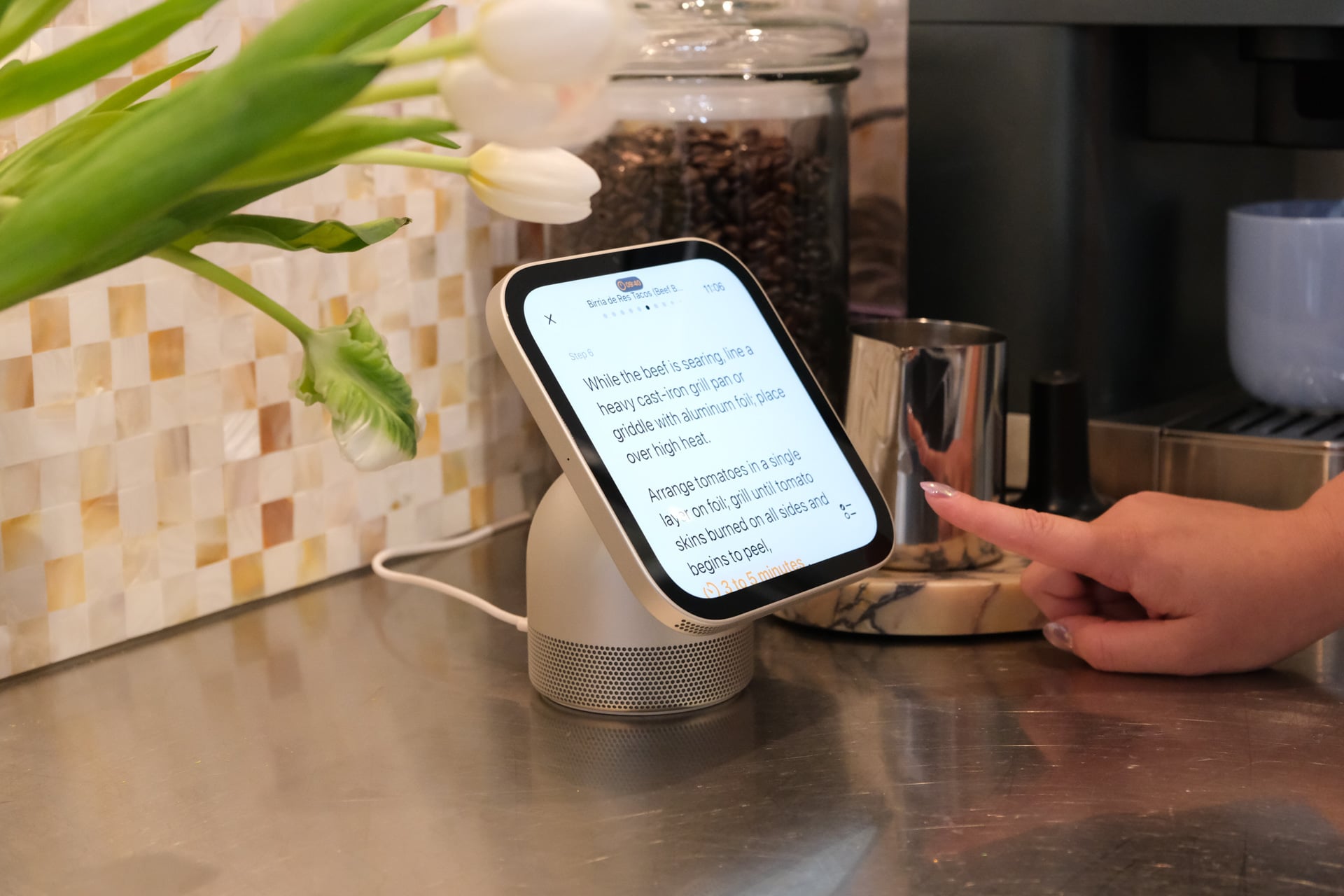
The "HomeView" device—conceived as an intelligent, motorized tabletop display capable of tracking users via computer vision, adjusting angles during FaceTime calls, and acting as a centralized command center for HomeKit-enabled smart homes—represented a major architectural bet. Sources familiar with the project indicate that functional engineering validation tests (EVT) and early pilot production runs were completed late last year. However, rather than flowing smoothly through distribution channels toward retail validation or executive testing, the physical units hit a bureaucratic and logistical wall.
"When you are dealing with a category-defining hybrid device that merges high-end mechanical actuators with complex, privacy-first edge AI, the margin for error is razor-thin," noted a former Apple senior logistics manager speaking on condition of anonymity. "Sitting inventory is rarely an accident at this scale. It is almost always a symptom of a higher-level executive recalibration regarding market timing, software readiness, or margin protection."
Deconstructing the Bottlenecks: Software, Silicon, and Strategy

The year-long warehousing of HomeView units highlights three primary pressure points that continue to challenge Apple's hardware execution:
- Edge AI and On-Device Processing Constraints: Integrating responsive robotic movement with localized Large Language Models (LLMs) requires immense localized compute power. Internal delays reportedly stemmed from the struggle to optimize Apple’s custom silicon architecture to handle continuous spatial tracking without causing thermal throttling or excessive battery drain in a plugged-in desktop environment.
- Ecosystem Synchronization: HomeView was designed to serve as the crown jewel of an overhauled Apple smart-home strategy. Delays in standardizing cross-device protocols within the Matter framework and ironing out localized Siri capabilities created cascading schedule slips.
- Risk Mitigation and Valuation Protection: In an era of cautious capital allocation, Apple’s executive suite—led by CEO Tim Cook and Chief Operating Officer Jeff Williams—remains hyper-focused on inventory optimization. Releasing an unpolished robotic product into an uncertain macroeconomic climate posed unacceptable brand and financial risks.
| Metric / Milestone | Initial Target Window | Reported Reality | Strategic Impact |
|---|---|---|---|
| EVT & Prototype Completion | Q3 / Q4 Previous Year | Completed on schedule | Hardware baseline established; units sent to distribution. |
| Warehouse Stagnation Period | Zero downtime | "Better part of a year" idle | Tied up working capital; signaled internal indecision. |
| Software Integration Phase | Simultaneous with hardware | Significantly lagged hardware readiness | Forced hardware to sit unutilized while AI frameworks evolved. |
| Competitive Market Exposure | First-mover advantage | Delayed market entry | Allows Amazon and Google to cement ecosystem dominance. |
Industry & Market Implications: Winners, Losers, and Macro Pressures
The disclosure of HomeView’s warehousing saga reverberates far beyond the walls of Apple Park, carrying distinct implications for market liquidity, competitor positioning, and the broader enterprise tech landscape.
The Winners: Incumbent Smart-Home Ecosystems
Competitors such as Amazon—with its expanding Echo Show lineup and rumored ambient robotics projects—alongside Alphabet’s Google Nest division, are the immediate beneficiaries of Apple's hesitation. By keeping its advanced tabletop robotic hardware locked away in warehouses, Apple has effectively conceded near-term market liquidity and consumer mindshare in the nascent home-robotics category. This grants rivals vital breathing room to capture enterprise and consumer recurring service revenues.
The Losers: High-End Hardware Suppliers and Component Makers
Specialized suppliers of high-torque micro-actuators, custom camera modules, and advanced NPU silicon who anticipated high-volume production rollouts experienced unexpected revenue smoothing adjustments. When Apple halts deployment pipelines, downstream component manufacturers absorb the shockwaves, forcing adjustments in their own capacity planning and capital expenditure forecasts.
Macroeconomic and Valuation Pressures
From an institutional finance perspective, the situation highlights the challenges Apple faces in identifying its next multi-trillion-dollar product category. Wall Street valuation multiples are heavily dependent on Apple’s ability to successfully commercialize new hardware verticals. Stagnant inventory assets, even experimental ones, serve as a stark reminder that translating R&D expenditure into high-margin consumer products remains an uphill battle.
Frequently Asked Questions (People Also Ask)
What is Apple's 'HomeView' device?
HomeView is an internal designation for Apple’s rumored tabletop robotic smart-home hub. It combines a motorized display capable of automated tracking and adjustment with advanced smart-home controls and localized artificial intelligence.
Why did HomeView units sit in warehouses for nearly a year?
Reports indicate that while the physical hardware passed initial validation testing, software readiness—particularly concerning edge AI processing, localized LLMs, and ecosystem synchronization—lagged behind. Executive caution regarding market timing and margin protection also played a major role.
When is Apple expected to officially release a robotic home device?
While Apple has not officially confirmed commercial launch dates or product specifications, supply chain analysts and industry insiders suggest a potential market rollout within the next 12 to 24 months, pending final software integration and consumer testing.
How does this impact Apple's broader artificial intelligence strategy?
The delay emphasizes Apple’s commitment to privacy-centric, on-device AI execution. Rather than rushing unpolished robotic hardware to market, Apple is prioritizing deep integration with Apple Intelligence frameworks to ensure a seamless user experience upon debut.
Future Outlook: Milestones to Watch
As Apple navigates the complex transition from stagnant prototypes to active commercialization, market analysts will be closely monitoring several critical indicators:
- Software Development Kit (SDK) Releases: Watch for developer-facing APIs related to home robotics and spatial tracking within upcoming beta iterations of iOS and iPadOS.
- Supply Chain Component Requisitions: Fluctuations in orders for micro-actuators and specialized camera sensors from Asian manufacturing partners will serve as leading indicators of a renewed production push.
- Executive Signals at WWDC and Earnings Calls: Any formal or informal commentary from executive leadership regarding ambient computing and smart-home infrastructure will dictate market confidence in Apple’s hardware pipeline.
Ultimately, the story of HomeView sitting dormant in warehouses is not merely an anecdote about logistical delay; it is a masterclass in corporate discipline. In a tech sector often obsessed with rushed product launches and vaporware marketing, Apple’s willingness to sideline a major product category until the underlying software and ecosystem architecture align speaks volumes about its long-term risk mitigation strategy. Whether that patience yields a category-defining triumph or allows competitors an insurmountable head start remains the ultimate multi-billion-dollar question.