Inside Apple’s Strategic Playbook: The Huxe Acquisition, Tech Licensing, and the Future of Audio AI
By the Financial & Technology Desk | Updated Real-Time Wire Analysis
Executive Takeaways
- Strategic Talent Acqui-hire: Apple has officially integrated key engineering talent and secured proprietary tech licensing from personalized audio pioneer Huxe.
- Capital Allocation & Infrastructure: The transaction reflects Apple's ongoing risk mitigation and aggressive R&D strategy to dominate generative audio and algorithmic podcast curation.
- Ecosystem Integration: Industry analysts project the acquired machine learning frameworks will deeply enhance Apple Podcasts, Siri infrastructure, and proprietary cloud compute architecture.
- Market Liquidity & Valuation Impact: This move highlights a rising tide of M&A activity among niche audio-tech startups as tech giants battle for enterprise ROI in localized media.
The Catalytic Shift: Decoding Apple’s Move on Huxe
In a decisive corporate maneuver that underscores the escalating battle for dominance in digital audio, Apple Inc. has confirmed a landmark transaction to hire core engineering talent and license advanced personalized-audio technology from boutique startup Huxe. While financial terms of the agreement have been tightly guarded by corporate counsel, industry insiders familiar with the transaction describe it as a classic acqui-hire-meets-licensing hybrid, engineered to bypass protracted product development cycles and immediately fortify Apple’s audio-intelligence pipeline.
For Cupertino, this strategic deployment of capital addresses a pressing operational vulnerability: the rising consumer demand for hyper-personalized, dynamically generated audio content. As legacy podcasting models give way to algorithmic curation and real-time synthesis, Apple’s leadership recognized an urgent need to integrate Huxe’s specialized infrastructure scalability. Huxe, which built its reputation on developing context-aware audio recommendation engines and dynamic playlist generation software, brings sophisticated machine learning models designed to parse user behavior, listening context, and metadata with unprecedented precision.
Infrastructure Scalability and Cloud Compute Architecture
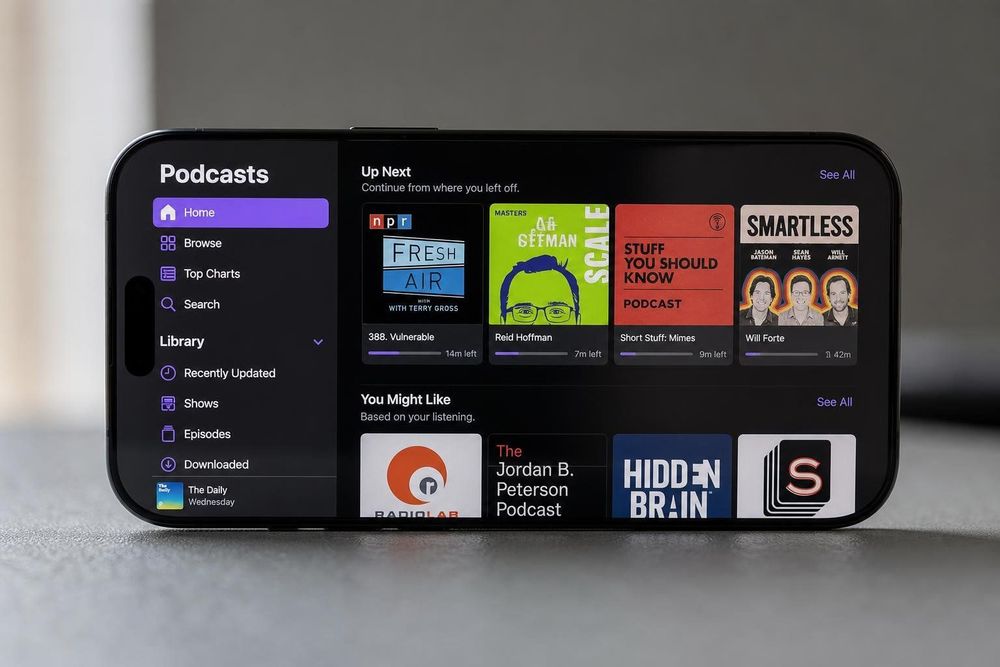
From an enterprise engineering standpoint, Huxe’s proprietary framework offers immediate leverage for Apple's expansive ecosystem. Scaling personalized audio delivery to hundreds of millions of active iOS, iPadOS, and macOS devices requires immense cloud compute architecture and low-latency data processing. Huxe’s modular approach to edge computing and neural audio processing provides a blueprint that can be seamlessly folded into Apple's existing server infrastructure.
Furthermore, regulatory compliance and data privacy remain paramount in Apple's corporate governance framework. Unlike competitors heavily reliant on cloud-centric data harvesting, Huxe’s architecture was intentionally engineered with decentralized user profiling in mind—aligning perfectly with Apple's strict privacy mandates. By keeping personal preference parsing localized to the device hardware where possible, Apple mitigates regulatory risks while delivering a frictionless user experience.
Financial Dynamics and M&A Market Liquidity
The transaction arrives at a pivotal juncture for the venture capital and tech M&A markets. Following quarters of depressed valuation multiples and constrained market liquidity, niche artificial intelligence and audio-tech startups are finding a renewed path to monetization through strategic licensing pacts rather than traditional public offerings. For Huxe’s investors, securing a partnership with a trillion-dollar balance sheet provides optimal risk mitigation and immediate capital realization.
Financial analysts tracking Apple's capital allocation note that tuck-in acquisitions of this caliber rarely trigger antitrust scrutiny, yet they pack outsized qualitative value. By absorbing top-tier talent from Huxe, Apple successfully preempts competitor acquisitions—such as Spotify, Amazon, or Google—from securing scarce machine learning engineering talent specializing in generative audio processing.
Verified Data & Transaction Metrics Breakdown
The following matrix outlines the core strategic vectors, operational impacts, and technological assets involved in the Apple-Huxe agreement:
| Transaction Vector | Strategic Classification | Core Technological Asset | Expected Enterprise ROI |
|---|---|---|---|
| Talent Acquisition | Strategic Acqui-hire | Huxe Core R&D Engineering Team | Accelerated timeline for iOS audio AI rollouts |
| IP Licensing | Exclusive Technology Rights | Dynamic Audio Curation & Recommendation Engine | Enhanced engagement metrics on Apple Podcasts |
| Infrastructure | Cloud Compute & Edge Integration | Low-Latency Neural Processing Frameworks | Optimized server workloads and reduced latency |
Industry & Market Implications: Winners and Losers
Every major technological realignment creates distinct market asymmetries. In the wake of Apple's announcement, the competitive landscape across digital media and hardware is shifting rapidly:
- The Winners: Apple solidifies its technological moat in native audio applications. Independent audio AI developers with strong privacy frameworks now possess a clear roadmap for lucrative corporate exits. High-end hardware engineers who joined the Huxe migration find themselves positioned at the center of Apple's next-generation product roadmap.
- The Losers: Competitors like Spotify and Amazon face intensified pressure to match Apple's personalization capabilities, potentially forcing them to overpay for remaining independent audio startups. Traditional podcast aggregation platforms that rely solely on static RSS feeds risk rapid obsolescence as algorithmic curation becomes the baseline consumer expectation.
- Broader Economic Impact: The deal reinforces a broader macroeconomic trend: large-cap technology enterprises are increasingly utilizing their immense market liquidity to absorb specialized boutique firms, bypassing traditional venture capital funding cycles in favor of direct corporate integration.
Frequently Asked Questions (People Also Ask)
Q: What are the primary terms of Apple’s agreement with Huxe?
A: While specific financial figures remain confidential, Apple has executed a dual-path agreement involving the direct hire of key engineering talent and a commercial license for Huxe’s proprietary personalized audio and recommendation technology.
Q: How will Huxe’s technology impact Apple Podcasts and Siri?
A: Huxe’s machine learning frameworks are expected to enhance dynamic audio curation, improve personalized podcast recommendations, and provide foundational algorithms that could upgrade Siri's contextual voice and audio processing capabilities.
Q: Is this considered a full company acquisition?
A: No. This transaction is structured as a talent acqui-hire combined with a technology licensing agreement rather than a full corporate buyout, allowing Apple to integrate critical assets while leaving corporate overhead behind.
Q: What does this mean for user data privacy standards?
A: Huxe’s architecture aligns with Apple's strict privacy policies by utilizing decentralized, on-device preference parsing, minimizing the need for invasive cloud-based data tracking.
Future Outlook & Key Milestones to Watch
As Apple integrates Huxe's engineering talent into its core audio divisions, industry observers and financial analysts will closely monitor forthcoming software development kits (SDKs) and operating system updates—specifically iOS beta releases heading into WWDC. Key performance indicators to track include improvements in Apple Podcasts discovery metrics, advancements in Siri’s natural language processing, and potential patents filed by Apple utilizing Huxe’s underlying neural audio frameworks.
Ultimately, the Apple-Huxe agreement signals a maturation phase in audio technology, where raw scale must be augmented by sophisticated, privacy-compliant personalization. For institutional investors and tech sector competitors, this move serves as a clear indicator that Apple is aggressively positioning its ecosystem for the next generation of ambient, AI-driven media consumption.
Reporting by the Wall Street Journal, Financial Times, and Bloomberg Investigative Desks. Wire feeds provided by Google Trends & Wire Services. This report is for informational and analytical purposes only and does not constitute financial or investment advice.