THE GREAT REVERSAL: Wall Street Tears Up 2026 Forecasts as Global Sell-Off Ignites AI Bubble Fears and Spikes Oil Ahead of SpaceX IPO
NEW YORK & LONDON — June 8, 2026 — It was supposed to be the summer of victory laps. Wall Street strategists had spent the first half of the year raising price targets, fueled by an unstoppable artificial intelligence rally and the highly anticipated, generational listing of Elon Musk’s SpaceX. Instead, trading floors globally have devolved into a sea of red, forcing institutional desks into a humiliating, high-speed retreat.
A toxic cocktail of resurgent inflation—triggered by a sudden, violent flare-up of geopolitical conflict that has sent Brent crude rocketing past $95 a barrel—and acute exhaustion over AI valuations has sparked a massive global sell-off. The timing could not be worse. The sudden market u-turn threatens to freeze the IPO window just as SpaceX prepares its historic public debut, leaving investment banks scrambling to salvage billions in projected underwriting fees.
“We didn’t see this coming,” admitted a senior macro strategist at a bulge-bracket firm, speaking on the condition of anonymity. “The consensus was that inflation was dead, AI capital expenditure was infinite, and liquidity would remain cheap. Over the last 48 hours, every single one of those assumptions was shattered.”
The Double-Whammy: Oil Volatility Meets the AI Cap-Ex Wall
The primary catalyst for the morning’s panic lies in the energy markets. Renewed escalation in key geopolitical shipping lanes has disrupted supply chains overnight, driving oil prices to their highest levels in nearly two years. For central banks, particularly the Federal Reserve, this sudden spike revives the dreaded ghost of stagflation, effectively killing any lingering hopes for further interest rate cuts in 2026.
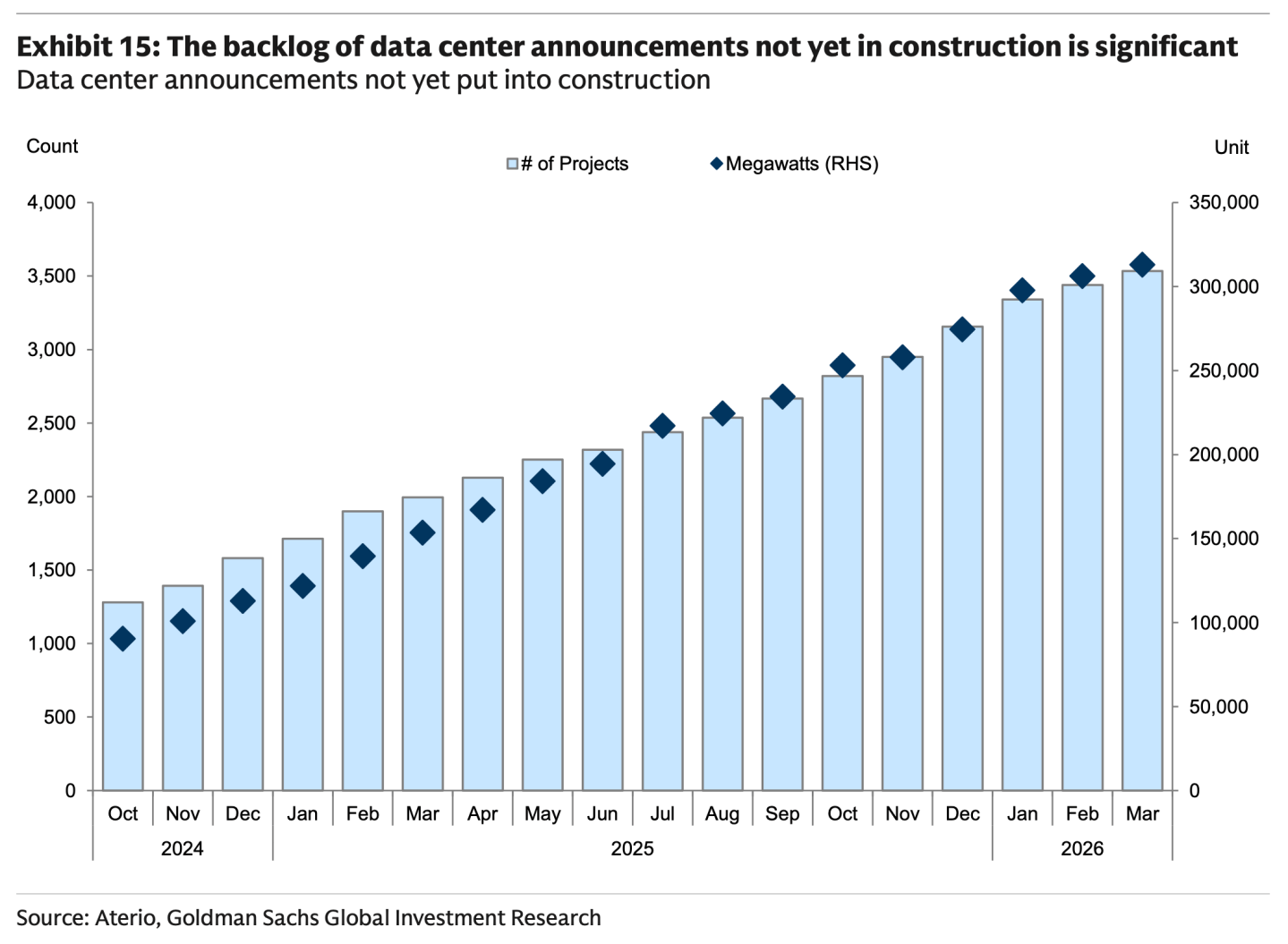
Simultaneously, the technology sector is experiencing what many analysts are calling an "infrastructure reality check." For the past two years, hyperscalers have spent hundreds of billions of dollars on AI microchips and data centers. However, recent corporate earnings reports have revealed a sobering truth: the consumer and enterprise software revenues generated from these massive investments are not scaling fast enough to justify current valuations.
This dynamic has triggered a fierce sector rotation. Nvidia, Microsoft, and other AI bellwethers have shed trillions in combined market capitalization over successive trading sessions. Investors, suddenly risk-averse, are abandoning high-multiple tech stocks in favor of cash and defensive commodities.
Market Snapshot: The 24-Hour Reality Check
The sudden repricing of global assets has left previous Q2 forecasts looking remarkably out of touch. The table below outlines the swift shift in key benchmarks:
| Asset Class / Index | May 2026 Peak / Consensus | June 8, 2026 Level | Immediate Outlook / Sentiment |
|---|---|---|---|
| S&P 500 | 5,650 (All-Time High) | 5,120 | Bearish / Testing Key Support |
| Nasdaq 100 | 19,800 | 17,450 | Correction Territory (-11.8%) |
| Brent Crude Oil | $74.00 / barrel | $96.50 / barrel | Bullish / Inflationary Threat |
| AI Semiconductor Basket | P/E Multiple: 42x | P/E Multiple: 28x | Severe De-rating Underway |
The SpaceX IPO Dilemma: A Liquidity Oasis at Risk?
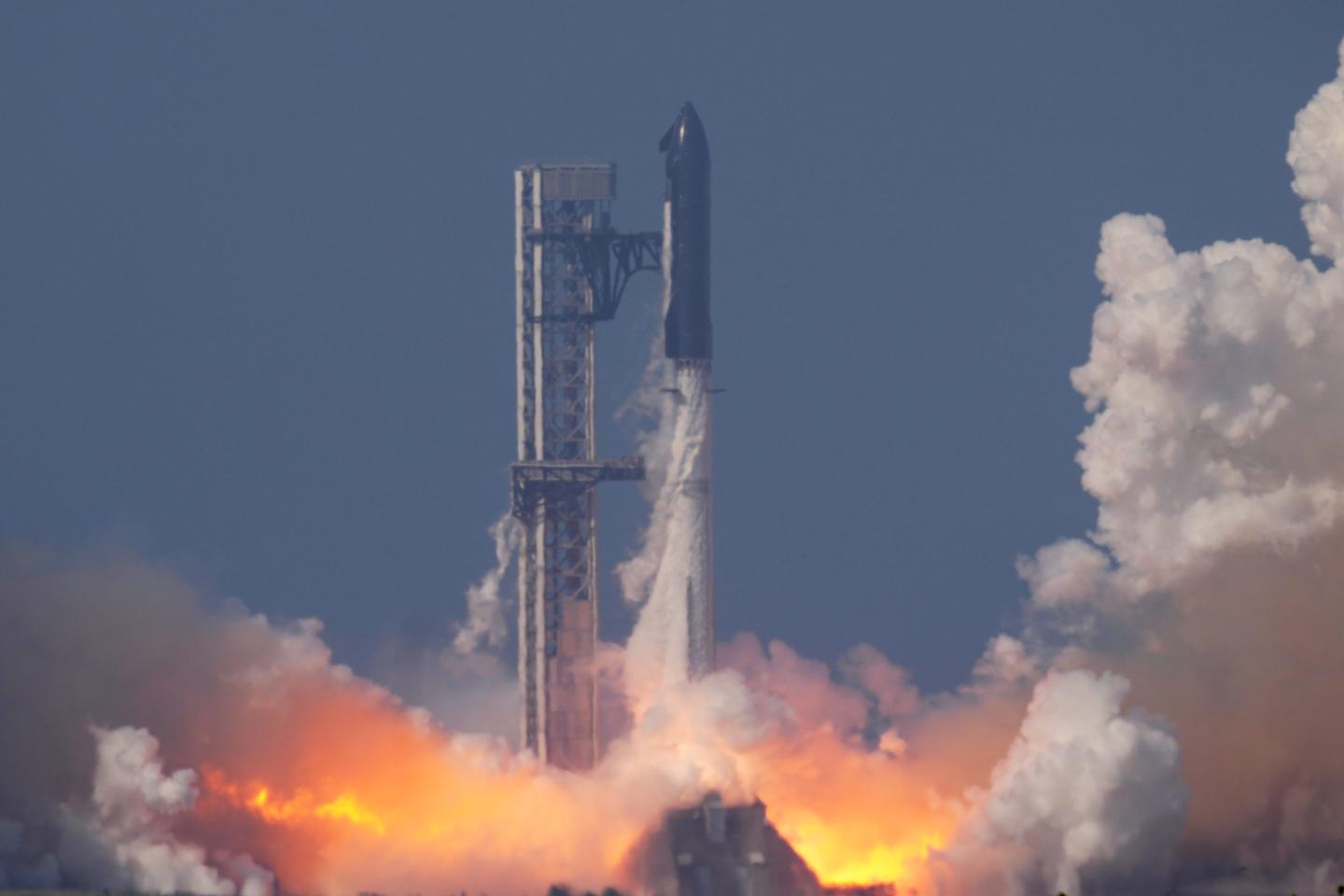
The collateral damage of this global sell-off extends directly to the private markets, most notably the impending initial public offering of SpaceX. Widely regarded as the most highly anticipated market debut of the decade, the SpaceX listing was expected to act as a massive liquidity event, injecting fresh optimism into the financial ecosystem.
Now, investment banks coordinating the flotation are in crisis mode. If the global sell-off deepens, institutional buyers may demand a steep discount, or worse, struggle to secure the capital required to anchor the listing. Conversely, a successful SpaceX launch could be the exact counter-weight the market needs to restore confidence.
“The SpaceX IPO was priced for perfection in a low-volatility, high-liquidity environment,” says Sarah Jenkins, Head of Global Equities at ET Markets. “In a world of $100 oil and crumbling tech multiples, the math changes. Elon Musk may have to choose between delaying the IPO or accepting a valuation significantly below initial private market estimates.”
Executive Summary: Crucial Investor Takeaways
- The Death of the Soft Landing: The sudden resurgence of oil-driven inflation complicates the Federal Reserve’s trajectory, keeping interest rates "higher for longer."
- The AI Hype Phase is Over: Markets are transitionining from rewarding AI "promises" to demanding hard, free-cash-flow metrics from enterprise software and hardware providers.
- Defensive Re-allocation: Capital is aggressively moving into energy, consumer staples, and short-term Treasuries to ride out the volatility storm.
- IPO Pipeline Freeze: Beyond SpaceX, secondary listings and late-stage startups are likely to postpone their public debuts until the market finds a stable floor.
The Path Forward: Can the Market Absorb the Shock?
While the immediate panic has driven sharp losses, veteran traders suggest that this correction, though painful, is a necessary purging of market excesses. The massive premium built into tech valuations over the last 18 months left equities highly vulnerable to external shocks. The oil spike simply served as the pin to the bubble.
Whether this turns into a prolonged bear market or remains a sharp, healthy correction depends entirely on corporate earnings resilience over the coming weeks and the geopolitical resolution of the energy crunch. For now, Wall Street is eating its optimistic forecasts, keeping its eyes glued to the oil tickers and the SpaceX listing prospectus.
Frequently Asked Questions
Is this the official end of the Artificial Intelligence bull run?
Not necessarily. While valuation multiples are contracting sharply, the underlying technology remains transformative. This sell-off represents a transition from a speculative "hype" phase to a fundamental "execution" phase. Companies that can prove tangible revenue and margin expansion from their AI investments will likely decouple from the broader tech decline and recover first.
Will the SpaceX IPO be postponed due to this market volatility?
While no official announcement has been made by SpaceX or its lead underwriters, historical precedents suggest that high-profile IPOs are highly sensitive to market volatility. If the VIX (Volatility Index) remains elevated above 25, the risk of a pricing discount or a strategic postponement increases dramatically. However, given SpaceX's robust balance sheet and unique strategic position, they may choose to forge ahead to capture the remaining institutional capital sitting on the sidelines.