‘We Don’t Manufacture These Figures’: Piyush Goyal Fires Back at Critics Over Roaring 7.8% GDP Growth
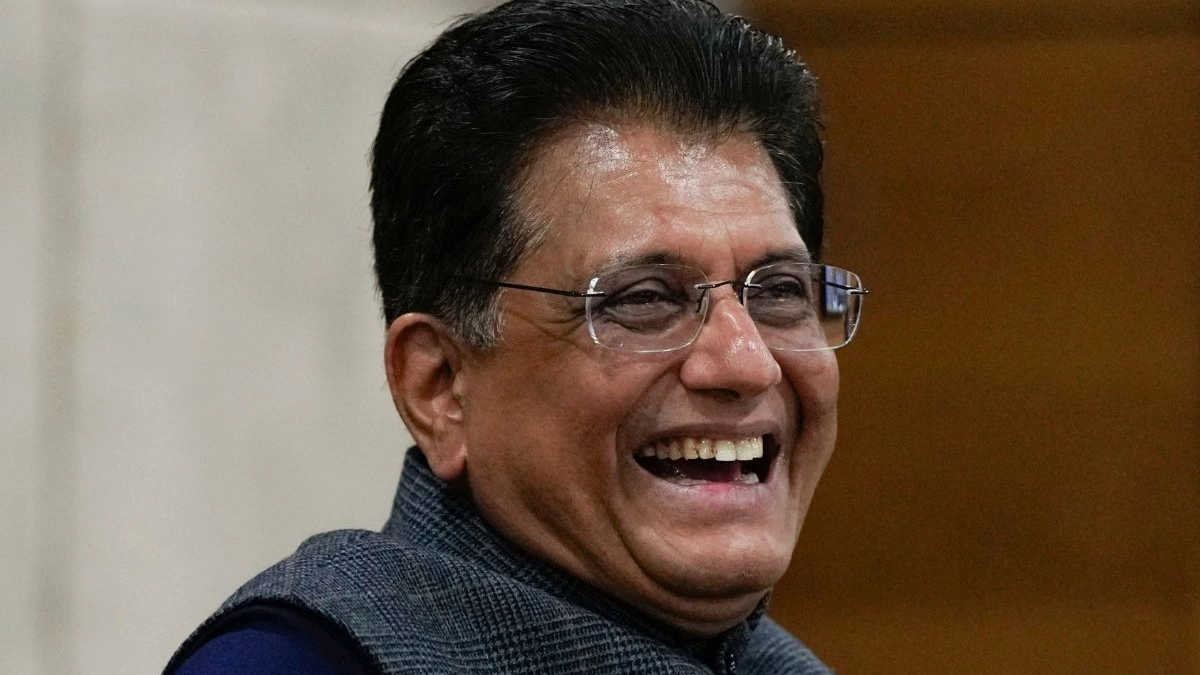
NEW DELHI — Union Commerce and Industry Minister Piyush Goyal has launched a blistering defense of India’s economic data framework, forcefully pushing back against skeptics questioning the nation’s stellar 7.8% Q1 GDP expansion. Amid rising political crossfire and intense scrutiny from domestic opposition figures over statistical integrity, Goyal maintained that macroeconomic indicators are autonomously generated by professional statisticians—not political agendas.
The high-stakes rebuttal comes at a time when India continues to command the global spotlight as the fastest-growing major economy. However, robust growth numbers have consistently triggered fierce debates among economists, policymakers, and opposition leaders regarding methodology, job creation, and the distribution of wealth. Goyal’s sharp remarks serve as a definitive pushback, drawing a hard line between political leadership and institutional data collection.
Defending the Numbers: Inside Goyal’s Sharp Rebuttal
Addressing critics who have sought to undermine the official narrative, Goyal emphasized the institutional autonomy underpinning India’s National Statistical Office (NSO). He underscored that elected representatives do not tamper with, manipulate, or fabricate economic metrics.
“We politicians, ministers, and MPs do not manufacture these figures,” Goyal stated, addressing the broader discourse surrounding the 7.8% Gross Domestic Product print for the first quarter. The minister's comments reflect mounting frustration within the government over what it views as politically motivated attempts to talk down India's macroeconomic momentum.
Financial analysts note that while India’s headline growth remains the envy of the developing world, debates persist regarding the divergence between Gross Value Added (GVA) and GDP, alongside underlying consumption pressures in rural sectors. By directly confronting these criticisms, the senior minister aimed to cement market confidence in official data integrity.
The Economic Landscape: Key Metrics at a Glance
To understand the gravity of the ongoing debate, it is essential to examine the core drivers and contrasting viewpoints defining India's current economic trajectory.
| Economic Indicator | Reported Figure / Status | Market & Policy Implications |
|---|---|---|
| Q1 GDP Growth Rate | 7.8% | Maintains India’s position as the world's fastest-growing major economy. |
| Data Generation Authority | National Statistical Office (NSO) | Operates independently under rigorous statistical frameworks. |
| Primary Criticisms | Methodology, Consumption, Jobless Growth | Raised by opposition leaders and select independent economists. |
| Government Stance | Strict Institutional Autonomy | Rejects political interference; emphasizes transparent reporting. |
Why the Statistical Controversy Matters
Economic data is not merely a academic exercise; it serves as the foundational bedrock for foreign direct investment (FDI), sovereign credit ratings, and monetary policy decisions by the Reserve Bank of India (RBI). When political figures or critics cast doubt on GDP prints, it can introduce volatility into investor sentiment.
- Global Investor Confidence: Transparent and reliable data is critical for international institutional funds evaluating capital allocation into Indian equities and infrastructure.
- Monetary Policy Formulation: The RBI relies heavily on accurate growth and inflation prints to calibrate interest rates and manage liquidity.
- Political Accountability: Economic performance remains a central battleground for upcoming electoral cycles, making GDP figures a focal point of partisan debate.
Broader Context: Navigating Growth and Skepticism
The friction over the 7.8% growth figure highlights a broader global phenomenon: the tension between macroeconomic aggregates and microeconomic realities. While headline numbers reflect strong capital expenditure, manufacturing expansion, and digital infrastructure growth, critics frequently point to persistent income disparities and uneven recovery across different strata of society.
Goyal’s defense is designed to decouple the credibility of state institutions from the daily ebb and flow of political mudslinging. By asserting that macroeconomic data is insulated from executive interference, the administration seeks to reassure global ratings agencies and institutional investors that India’s growth story is both authentic and sustainable.
Future Outlook: What Lies Ahead for India’s Economy?
Looking forward, the focus will shift toward sustaining momentum through upcoming fiscal quarters amid global headwinds, including fluctuating commodity prices, geopolitical fragmentation, and tightening monetary conditions worldwide. Economists anticipate that while domestic demand will remain a primary growth engine, private sector capital expenditure must accelerate to offset any potential global slowdowns.
Ultimately, Piyush Goyal’s robust defense draws a clear boundary in India’s economic discourse: while political debate over policy direction is welcomed, questioning the empirical integrity of the nation’s statistical architecture is a bridge too far for the ruling administration.
Frequently Asked Questions
1. Why did Piyush Goyal defend the 7.8% GDP growth figure?
Goyal defended the data to counter persistent criticism from political opponents and select analysts who questioned the credibility and methodology behind India's latest economic growth numbers, asserting that the government does not interfere with independent statistical agencies.
2. Who is responsible for calculating India's GDP data?
GDP data in India is calculated and released by the National Statistical Office (NSO), operating under the Ministry of Statistics and Programme Implementation (MoSPI), using standardized global methodologies and independent data collection frameworks.