The Great Gold Pivot: Why Wall Street's Ultimate Safe Haven Is Suddenly Crashing
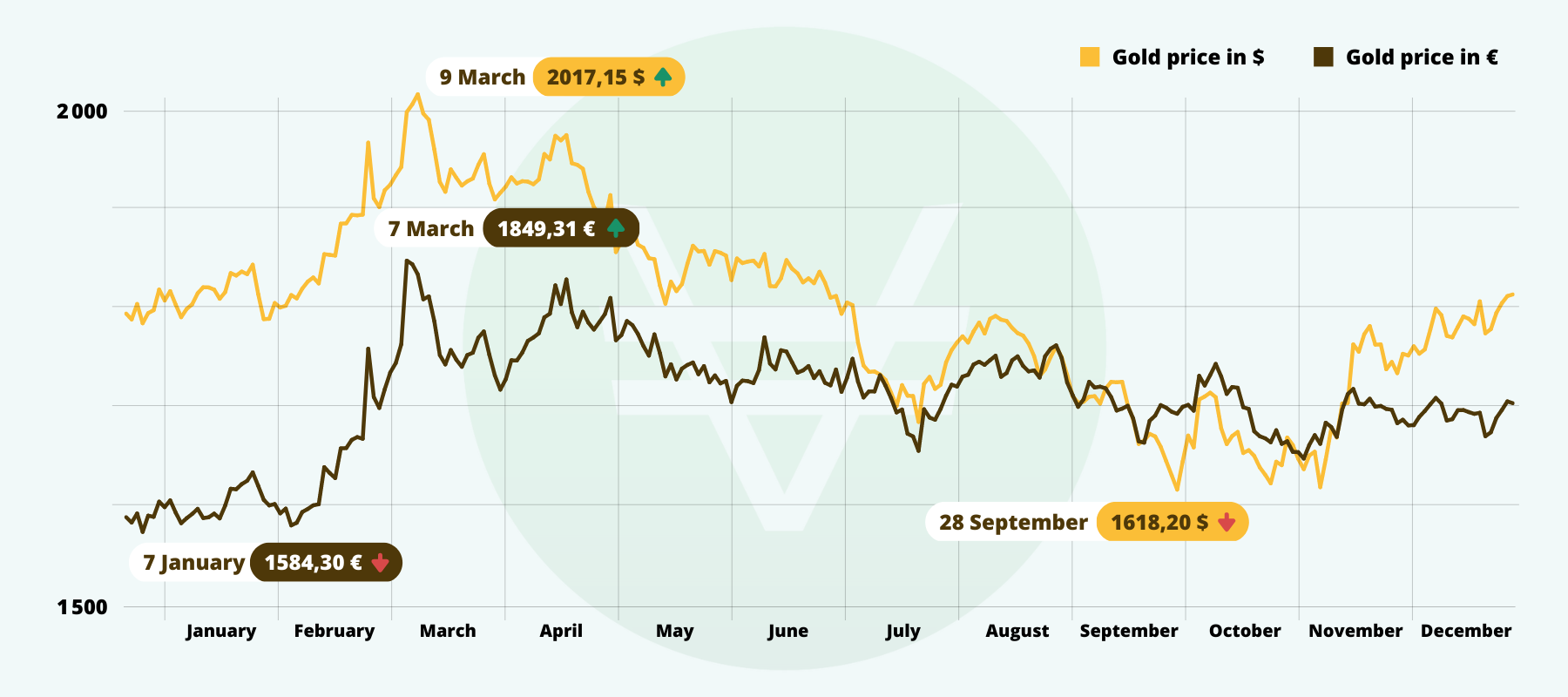
NEW YORK / WASHINGTON — For generations, the playbook for global uncertainty has been simple: when geopolitical tensions boil over and conflict erupts, investors run straight for gold. But in a stunning reversal that has left veteran commodities traders and retail stackers alike scratching their heads, the precious metal is losing its luster. As of mid-June 2026, gold prices are sliding downward, defying macroeconomic textbook rules about rising sovereign debt, persistent inflation, and impending interest rate cuts.
The core catalyst behind this counterintuitive market behavior traces directly back to late February, when the US and Israel launched a sweeping military campaign against Iran. Instead of triggering a classic panic-driven rush into bullion, the outbreak of major Middle East hostilities has paradoxically catalyzed a broad unwinding of risk-off positions. According to fresh market analyses from Al Jazeera and major trading desks, the shifting dynamics of liquidity, currency strength, and alternative asset performance are rewriting the rules of the metal market today.
Decoding the Drop: What’s Driving the Bearish Pressure?
To understand why gold is trending down, one must look beyond the immediate headlines of geopolitical conflict. When the US-Israel war against Iran erupted in February, initial knee-jerk spikes quickly gave way to a sobering reality: institutional capital operates on liquidity and opportunity cost, not just fear.
Several converging economic forces are driving the downward trajectory:
- Soaring Opportunity Costs: Even with anticipated interest rate cuts on the horizon, global bond yields remain stubbornly attractive. Because gold pays no yield, a high-rate environment forces capital away from bullion and into cash and fixed-income assets.
- The Resurgent US Dollar: Despite mounting US national debt, the greenback has maintained remarkable structural dominance. A strong dollar makes dollar-denominated gold more expensive for international buyers, sharply cooling global physical demand.
- Liquidation to Cover Margin Calls: During periods of intense market volatility across equities and energy, institutional funds often liquidate their winning or stable assets—such as gold—to cover margin losses elsewhere in their portfolios.
- De-escalation and Fatigue: As the conflict settles into a prolonged, predictable strategic phase rather than a sudden systemic global shock, the initial "war premium" baked into gold prices has steadily evaporated.
Market Snapshot: Gold vs. Key Macro Indicators

| Economic Indicator | Current Status (June 2026) | Impact on Gold Prices |
|---|---|---|
| US-Iran Conflict Status | Prolonged military engagement since late Feb | Initial fear premium fading; market adapting |
| US Sovereign Debt | Expanding at record pace | Long-term bullish support, short-term ignored |
| Global Interest Rates | Plateauing with delayed cuts | Bearish (keeps opportunity cost high) |
| US Dollar Index (DXY) | Trading firm against major currencies | Bearish (suppresses international bullion demand) |
The Retail Dilemma: "To Stack or to Sell?"
The downturn has sparked intense debate among retail investors and long-term stackers. On social media platforms and specialized finance forums like Reddit’s fomo_feed communities, retail participants are wrestling with a psychological paradox.
"Every time I think about selling a little of the stack, I think with the debt, the increasing debt, inflation, and interest rate cuts, gold will only over-perform in the long run," notes one prominent online commodities commentator.
This sentiment highlights a profound disconnect between short-term institutional trading algorithms and long-term retail wealth preservation strategies. While Wall Street reacts to immediate liquidity needs, bond yields, and currency fluctuations, Main Street stackers view gold through the lens of generational debasement of fiat currency. With global debt levels reaching unprecedented heights, many retail buyers view the current price correction not as a failure of gold, but as a heavily discounted buying opportunity.
Expert Outlook: Where Is the Metal Market Headed Next?
Chief commodities strategists at major financial institutions suggest that gold’s current downward pressure may persist through the summer months, provided the US dollar holds its ground and central banks delay aggressive monetary easing. However, structural tailwinds remain firmly in place.
Central bank accumulation—particularly by emerging market economies seeking to diversify away from Western financial systems—continues to set a hard floor beneath gold prices. Furthermore, any unexpected shock to the global banking sector or a sharper-than-expected economic slowdown could instantly reignite safe-haven flows.
For now, traders are advised to watch US inflation prints, Federal Reserve signalling, and the fluid developments of the Middle East conflict. The golden rule of modern economics remains intact: markets rarely move in a straight line, and even the ultimate safe haven is subject to the gravity of global liquidity.
Frequently Asked Questions
Why didn't the US-Israel war against Iran cause gold prices to skyrocket permanently?
While geopolitical conflicts traditionally trigger immediate spikes in gold, markets quickly adjust to prolonged engagements. The initial fear premium has faded as global supply chains adapted, and institutional investors shifted focus back to high yields in fixed-income assets and a strong US dollar.
Is it a good time to buy gold during this downward trend?
Financial advisors generally view market dips through the lens of individual risk tolerance and investment horizons. While short-term momentum favors the bears, long-term investors often use price corrections to accumulate physical bullion or ETF shares as a hedge against systemic sovereign debt and inflation.