
Executive Takeaways
- Active Weaponization: A critical Microsoft Exchange zero-day vulnerability is currently being exploited in the wild, threatening on-premises and hybrid corporate architectures worldwide.
- The Patch Vacuum: As of May 18, 2026, Microsoft has not released an official security update or emergency hotfix, leaving enterprise IT and security operations teams in an unprecedented defensive posture.
- Market & Capital Impact: The incident immediately triggers heightened risk mitigation protocols, threatening IT capital allocation strategies and pressuring valuation multiples for vulnerable cloud-to-hybrid migration vendors.
- Mitigation Impasse: Organizations are forced to rely on complex, manual hardening measures and network segmentation to blunt incoming intrusion vectors, directly impacting cloud compute architecture efficiency.
The global enterprise technology apparatus is facing a critical inflection point following the disclosure of a severe, actively exploited zero-day vulnerability impacting Microsoft Exchange Server deployments. Reported initially by threat intelligence researchers and confirmed across multiple incident response channels on May 18, 2026, the vulnerability represents an immediate, unmitigated threat to corporate infrastructure. With no official patch currently available from Redmond, chief information security officers (CISOs), risk mitigation committees, and infrastructure leads are locked in a high-stakes race against advanced persistent threat (APT) actors and financially motivated cybercriminal syndicates.
This unfolding crisis lays bare the systemic vulnerabilities inherent in legacy and hybrid enterprise IT architectures. As organizations scramble to safeguard proprietary data and maintain regulatory compliance, the incident forces a profound re-evaluation of enterprise risk management, vendor reliance, and the true cost of maintaining local mail server infrastructure in an increasingly hostile threat landscape.
Anatomy of the Threat: How the Zero-Day Exploit Operates
Zero-day vulnerabilities—software flaws unknown to the vendor and therefore unpatched—represent the pinnacle of asymmetric cyber warfare. In this latest instance targeting Microsoft Exchange, threat actors have operationalized a novel exploit chain that bypasses standard authentication layers, granting unauthorized remote code execution (RCE) capabilities within corporate server environments.
Security analysts tracking the active campaigns note that the exploit leverages deep-seated architectural complexities within Exchange’s client access services. Once an adversary successfully breaches the perimeter, they can establish persistent access, harvest sensitive credentials, and pivot laterally across internal corporate networks. Because the vulnerability exists prior to any vendor-supplied remediation, traditional signature-based detection mechanisms often fail to catch initial intrusions, leaving enterprises heavily reliant on behavioral analytics and aggressive anomaly detection.
The absence of an immediate vendor patch creates a dangerous operational window. In the world of enterprise infrastructure scalability, patches are typically tested in staging environments before rolling out across production fleets. However, when an unpatched zero-day is weaponized in the wild, IT teams are forced to abandon standard change-management protocols, pivoting instantly to emergency containment strategies.
The Corporate Fallout: Risk Mitigation, Compliance, and Capital Allocation
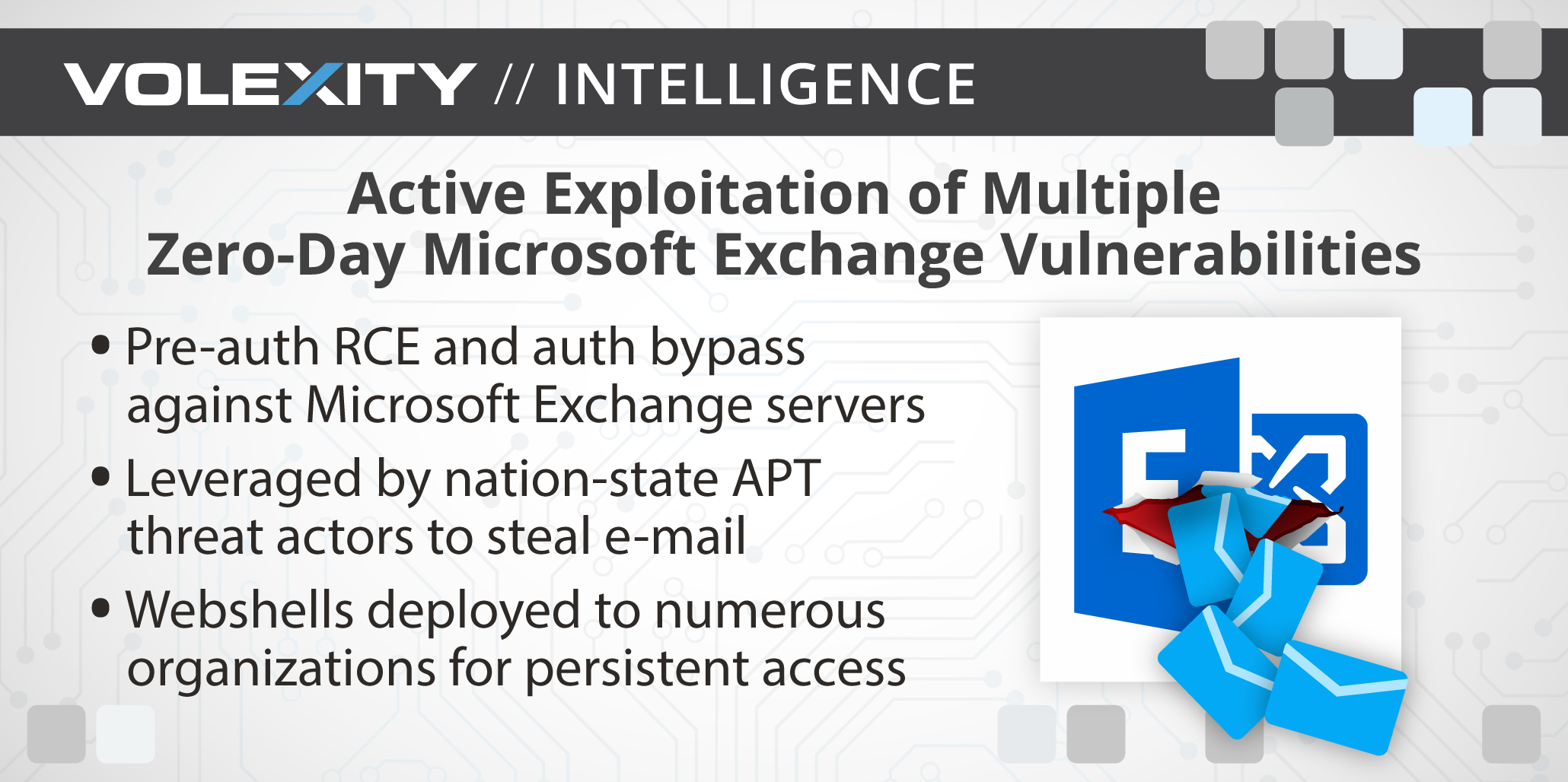
The operational disruption caused by an unpatched Exchange zero-day reverberates far beyond the server room, directly influencing corporate finance, executive strategy, and shareholder value. When core communications infrastructure is compromised without a vendor-backed resolution, enterprises face immediate threats across multiple operational dimensions:
- Regulatory Compliance and Legal Exposure: Organizations operating under stringent regulatory frameworks—such as GDPR, HIPAA, and the SEC’s strict cybersecurity disclosure rules—face immediate scrutiny. An unmitigated breach resulting from a known, exploited zero-day can trigger severe regulatory penalties, shareholder derivative lawsuits, and catastrophic reputational damage.
- Capital Reallocation: Incident response engagements do not come cheap. Enterprise budgets are being forcibly diverted from long-term digital transformation and infrastructure modernization initiatives toward emergency forensics, external consulting retainers, and accelerated cloud migration strategies.
- Cloud Compute Architecture Pressures: This crisis acts as a potent catalyst for migration away from on-premises and hybrid Exchange environments toward fully managed cloud services. Enterprises are recognizing that the total cost of ownership (TCO) for local infrastructure includes tail risks that dwarf initial hardware and licensing savings.
For market analysts tracking enterprise software stocks, this event serves as a stark reminder of platform concentration risk. While Microsoft remains the dominant force in enterprise productivity suites, prolonged zero-day exposures invariably prompt corporate boards to question the velocity and efficacy of vendor security pipelines.
Verified Data & Metrics Breakdown
To contextualize the scale and operational impact of the May 2026 Microsoft Exchange zero-day crisis, the following data matrix outlines key operational vectors, response timelines, and market variables:
| Metric / Parameter | Current Status | Enterprise Impact & Operational Significance |
|---|---|---|
| Vulnerability Classification | Critical Zero-Day (Remote Code Execution) | Allows unauthenticated attackers to execute arbitrary code with elevated privileges. |
| Disclosure Date | May 18, 2026 | Initiates immediate global emergency response protocols across Fortune 500 IT teams. |
| Official Patch Availability | None Released (As of Report Date) | Forces reliance on temporary workarounds, URL rewrites, and network segmentation. |
| Primary Attack Vector | Active In-the-Wild Exploitation | Threat actors are actively scanning for and compromising exposed Exchange endpoints. |
| Recommended Immediate Action | Edge Filtering & Disconnection | Disrupts standard business communications to achieve absolute containment. |
Frequently Asked Questions (People Also Ask)
What makes the May 2026 Microsoft Exchange zero-day vulnerability uniquely dangerous?
Unlike standard vulnerabilities where organizations can apply a vendor-supplied patch upon disclosure, this zero-day is actively being exploited in the wild while Microsoft has yet to release a verified security update. This leaves enterprises with a severe asymmetrical disadvantage, forcing them to rely on imperfect defensive workarounds rather than definitive remediation.
How can organizations protect their infrastructure when no patch is available?
In the absence of an official patch, security teams are implementing aggressive risk-mitigation strategies. These include restricting external inbound access to Exchange servers via Web Application Firewalls (WAF), disabling vulnerable services where feasible, implementing strict network micro-segmentation, and deploying advanced Endpoint Detection and Response (EDR) solutions to monitor for abnormal post-exploitation behaviors.
Are cloud-based Microsoft 365 environments affected by this zero-day?
Current threat intelligence indicates that the vulnerability specifically targets on-premises and hybrid Microsoft Exchange Server deployments. Fully managed cloud environments, such as Microsoft 365, are insulated from this specific attack vector because Microsoft manages the underlying infrastructure and applies mitigations directly at the platform level.
What are the broader economic and financial implications for affected enterprises?
Beyond immediate remediation costs and forensic expenses, organizations face potential regulatory penalties if data exfiltration occurs. Furthermore, the incident is accelerating capital expenditure shifts away from legacy on-premises hardware toward secure, cloud-native architectures to eliminate similar tail risks in the future.
Future Outlook: Navigating the Post-Disclosure Landscape
As the tech industry awaits Microsoft’s emergency patch deployment, the fallout from this zero-day event will permanently alter IT planning for the remainder of 2026 and beyond. Corporate boards are increasingly viewing local server infrastructure not as an asset of operational independence, but as a concentrated vulnerability point that introduces unacceptable systemic risk.
Key milestones to watch in the coming weeks include Microsoft’s formal patch release timeline, the emergence of secondary exploit payloads by organized cybercrime syndicates, and potential regulatory inquiries into enterprise software security standards. For Chief Information Officers and financial leaders, the mandate is clear: accelerate zero-trust architecture adoption, eliminate legacy attack surfaces, and ensure that enterprise resilience is prioritized over convenience.