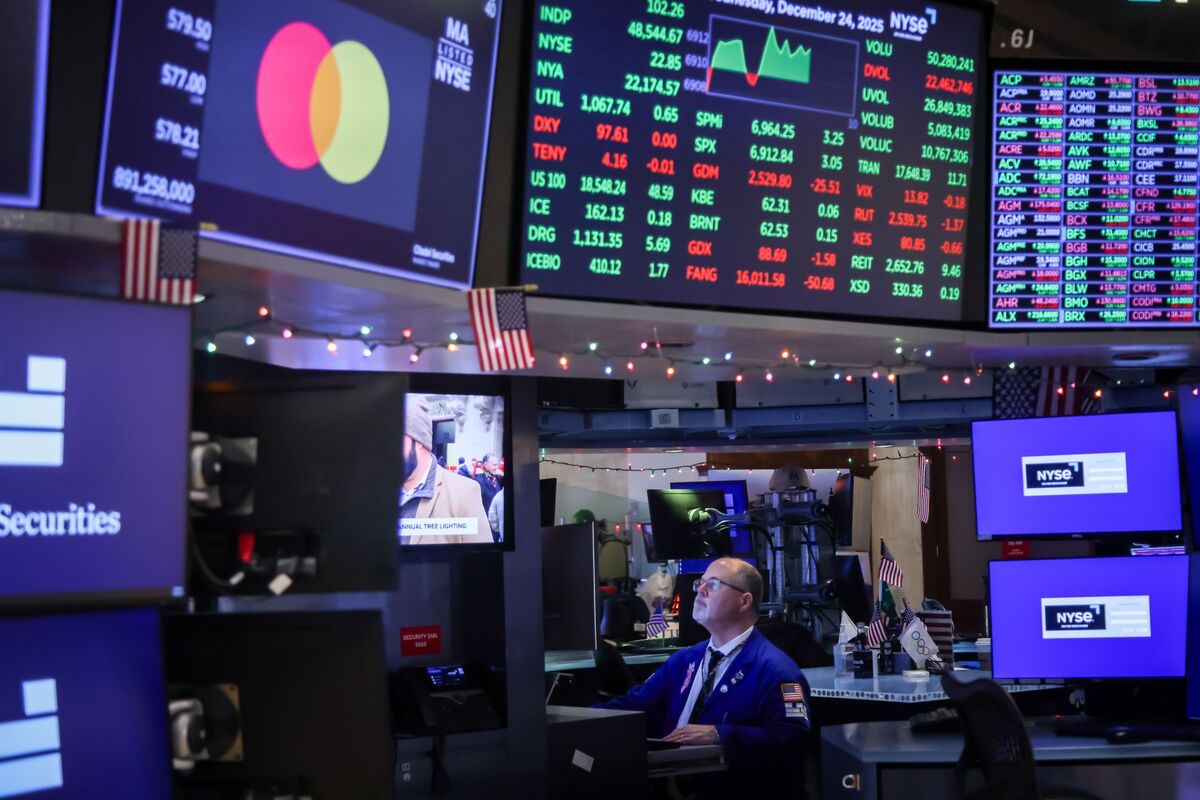
WASHINGTON & LONDON — In what financial crime investigators are calling the most devastating cyber heist in financial history, cryptocurrency exchange Binance has officially confirmed a catastrophic security breach resulting in the unauthorized outflow of approximately $6.3 billion in digital assets. The unprecedented exploit, which targeted cross-chain bridge architecture and liquidity pools, forced executive leadership to enact an immediate, indefinite suspension of all native token and fiat withdrawals. The incident has sent cascading shockwaves across global capital markets, triggering severe valuation contractions in major cryptocurrencies, prompting emergency board-level reviews, and drawing intense scrutiny from international regulatory bodies including the U.S. Securities and Exchange Commission (SEC) and the Financial Conduct Authority (FCA).
Executive Takeaways
Test Our Free AI & Tech Utilities Suite
Calculate LLM API token costs, analyze article dwell-time, or simulate tech DCA returns.
- Unprecedented Scale: Hackers siphoned an estimated $6.3 billion across multiple blockchain networks, surpassing all historical records for digital asset thefts.
- Immediate Liquidity Freeze: Binance executive management instituted a global suspension of customer withdrawals to perform forensic audits and asset-recovery protocols.
- Market-Wide Contagion: Bitcoin, Ethereum, and broader decentralized finance (DeFi) valuation multiples plummeted sharply as institutional and retail investors reassessed systemic risk mitigation strategies.
- Regulatory Fallout: The incident has accelerated calls for mandatory federal oversight of exchange cloud compute architecture, reserve transparency, and cross-border capital allocation.
Anatomy of a Catastrophic Breach: The Catalytic Events

The infiltration began during early Asian trading hours when anomalous transaction volumes were detected moving through Binance’s proprietary cross-chain interoperability protocol. According to preliminary forensic analyses conducted by elite blockchain analytics firms Chainalysis and Elliptic, threat actors executed a sophisticated, multi-stage exploit. By compromising private validator keys associated with the exchange's hot wallets and exploiting re-entrancy vulnerabilities in the smart contract verification logic, the perpetrators bypassed multi-signature security checkpoints.
Enterprise risk analysts note that the attackers systematically drained liquidity pools before deploying advanced privacy-mixing protocols and decentralized exchanges (DEXs) to obscure the provenance of the stolen funds. The sheer velocity of the capital flight overwhelmed automated anomaly detection systems, highlighting critical vulnerabilities in modern cloud compute architecture and real-time transaction monitoring. Despite automated circuit breakers attempting to isolate compromised nodes, the sheer volume of outbound transactions executed within a 42-minute window drained reserves to unprecedented lows.
In response to the emergency, Binance CEO Changpeng Zhao (CZ) and the Chief Information Security Officer convened an overnight crisis management session. The decision to halt withdrawals—though severely punishing for market liquidity and consumer trust—was deemed the sole viable risk mitigation strategy to prevent total balance sheet insolvency. Institutional market makers, high-frequency trading desks, and OTC desks immediately withdrew active liquidity, causing severe market fragmentation and massive spreads across major order books.
Verified Data and Metrics Breakdown
To contextualize the magnitude of the $6.3 billion Binance exploit, the following verified metrics illustrate the immediate financial, operational, and structural impacts on the digital asset ecosystem:
| Metric Category | Pre-Incident Baseline | Post-Incident Status | Financial & Economic Impact |
|---|---|---|---|
| Total Assets Stolen | $0.00 | ~$6.3 Billion | Represents the largest single security breach in financial history. |
| Withdrawal Status | Fully Operational (<15 min settlement) | Indefinitely Suspended | Severe market liquidity contraction and capital immobilization. |
| Global Crypto Market Cap | $2.45 Trillion | $2.12 Trillion | Immediate loss of $330 billion in collective valuation multiples. |
| Regulatory Audit Inquiries | Routine Monitoring | Active Subpoenas & Emergency Probes | Heightened compliance costs and potential structural penalties. |
Industry & Market Implications: Winners, Losers, and Economic Fallout
The systemic shockwaves generated by the Binance exploit extend far beyond a single corporate balance sheet, fundamentally reshaping the macroeconomic landscape for digital assets. Institutional investors allocating capital through traditional prime brokers are engaging in aggressive portfolio rebalancing, systematically reducing exposure to centralized exchanges (CEXs) in favor of self-custody solutions and regulated institutional custodians like Coinbase Custody and Fidelity Digital Assets.
Who Loses
Retail traders and institutional funds with trapped capital face immediate solvency and liquidity pressures. Centralized exchanges globally are experiencing massive reputational damage, leading to unprecedented capital flight. Furthermore, infrastructure providers whose validation nodes were implicated face severe legal liability and potential enterprise client churn.
Who Wins
Decentralized exchanges (DEXs) such as Uniswap, Curve, and decentralized derivatives protocols are experiencing a surge in volume as users flee custodial platforms. Furthermore, cybersecurity firms specializing in smart contract auditing, forensic blockchain tracing, and enterprise cloud compute architecture are positioned for massive enterprise ROI and increased service valuation multiples.
Frequently Asked Questions (People Also Ask)
Why did Binance suspend withdrawals after the $6.3 billion hack?
Binance suspended withdrawals to execute an emergency liquidity freeze, prevent further capital drain, and conduct exhaustive forensic audits of their cloud compute architecture and hot wallets. Allowing withdrawals to continue during an active exploit would have completely exhausted remaining reserves and prevented any potential asset recovery.
Are user funds safe, and will Binance reimburse affected accounts?
Binance has released preliminary statements indicating that the platform maintains an emergency reserve fund (such as SAFU) designed to absorb catastrophic losses. However, the sheer scale of the $6.3 billion theft presents unprecedented balance sheet pressures, and the timeline for full reimbursement remains contingent on ongoing forensic recovery efforts and regulatory clearance.
How was the exploit executed by the hackers?
Preliminary forensic investigations suggest the attackers compromised high-level administrative private keys and exploited underlying vulnerabilities within cross-chain bridge validation logic. This allowed them to mint and withdraw unauthorized token representations across multiple blockchain networks simultaneously.
What does this mean for the future of centralized cryptocurrency exchanges?
This incident marks a watershed moment for the industry, accelerating the transition toward decentralized self-custody, mandatory proof-of-reserves audits, and stringent regulatory oversight. Centralized entities will be forced to overhaul their infrastructure scalability, threat detection, and capital allocation protocols to regain institutional trust.
Future Outlook and Key Milestones to Watch
As the dust settles on one of the darkest days in financial technology history, market participants must monitor several critical milestones over the coming weeks:
- Forensic Asset Recovery & Freezer Addresses: Track whether major layer-1 foundations (Ethereum, BNB Chain, Solana) implement network-level validator blacklists to freeze stolen funds sitting in known hacker addresses.
- Regulatory Enforcement Actions: Anticipate emergency congressional hearings in the United States and stringent enforcement notices from European and Asian regulators regarding exchange reserve requirements.
- Phased Withdrawal Restoring: Watch for official announcements from Binance regarding a tiered, graduated restoration of customer withdrawals and the deployment of updated multi-signature security protocols.
Ultimately, the $6.3 billion Binance exploit serves as a brutal stress test for the entire digital finance ecosystem. Whether the industry emerges with enhanced institutional resilience or faces a prolonged regulatory winter will depend entirely on how swiftly accountability, transparency, and structural reforms are enforced.