Apple’s High-Stakes Fitness+ Gym Expansion Threatens Traditional Clubs as Cupertino Targets Personal Training Monopsonies
Test Our Free AI & Tech Utilities Suite
Calculate LLM API token costs, analyze article dwell-time, or simulate tech DCA returns.
By leveraging advanced cloud compute architecture, proprietary machine-learning heuristics, and unrivaled ecosystem lock-in, Apple's new Gym Strength program seeks to monetize the lucrative free-weight floor.
Executive Takeaways
- Strategic Pivot: Apple Fitness+ is expanding beyond living-room cardio into heavy resistance training, targeting the high-margin personal training market currently dominated by brick-and-mortar gym chains.
- Technological Infrastructure: The program utilizes proprietary cloud compute architecture and on-device machine learning to generate real-time, dynamic workout adaptations based on biometric feedback and equipment availability.
- Capital Allocation & Valuation: This move reinforces Apple’s Services revenue stream, diversifying away from hardware replacement cycles and protecting long-term enterprise valuation multiples.
- Market Disruption: Traditional fitness operators face severe enterprise risk mitigation challenges as digital-first subscription models absorb high-value gym members.
The Catalytic Shift: Moving from the Living Room to the Iron Floor
CUPERTINO, Calif. — In a calculated maneuver that sends immediate shockwaves through the global fitness industry, Apple Inc. has officially announced the expansion of its Fitness+ ecosystem into the heavy-iron domain of traditional health clubs. The newly unveiled Fitness+ Gym Strength program marks a foundational evolution in Cupertino's digital health strategy. Rather than competing strictly with at-home stationary bikes and bodyweight floor mats, Apple is deploying advanced software intelligence directly onto the gym floor, taking dead aim at the multi-billion-dollar personal training and structured strength-conditioning markets.
For years, Wall Street analysts and industry insiders questioned whether Apple could successfully bridge the gap between casual wellness apps and serious resistance training. Traditional gym operators—such as Equinox, Life Time, and Planet Fitness—reied on the assumption that complex free-weight regimens require human oversight, bespoke coaching, and specialized brick-and-mortar infrastructure. Apple’s latest product announcement systematically dismantles that moat. By marrying real-time Apple Watch biometric telemetry with highly responsive, personalized algorithmic workout generation, the tech giant is offering an enterprise-grade digital coaching experience for the price of a standard monthly streaming subscription.
Under the Hood: Cloud Architecture and Algorithmic Personalization
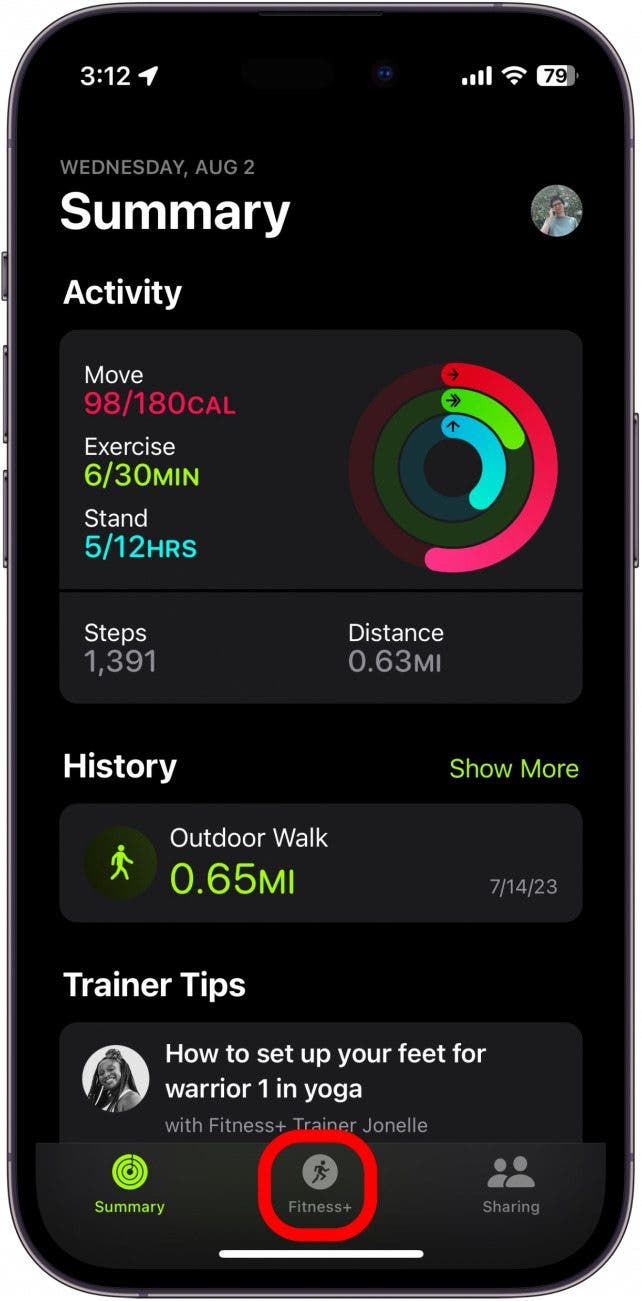
The technical execution behind Gym Strength is as ambitious as its commercial intent. Industry experts tracking Apple’s cloud compute architecture note that the system relies on an intricate balance of local neural engine processing on the iPhone and Apple Watch, backed by scalable cloud infrastructure. When a user steps into a commercial gym, the application scans available equipment profiles, cross-references historical user performance data (such as progressive overload metrics, recovery scores, and past muscular fatigue distribution), and generates a hyper-personalized multi-week periodization plan.
This is not a static PDF or a pre-recorded video series. The Gym Strength program operates as a dynamic feedback loop. If a user exhibits unusual heart-rate variability or reports localized muscular strain during a heavy compound lift, the underlying software automatically adjusts subsequent sets, rep ranges, and load recommendations in real time. This level of responsiveness mirrors the capabilities of elite human strength coaches, effectively commoditizing a service that historically commanded upwards of $100 to $150 per hour in major metropolitan markets.
Verified Data & Market Impact Matrix
To fully understand the economic gravity of Apple’s expansion, one must evaluate the shifting dynamics across hardware integration, subscription economics, and competitor vulnerability. The following matrix outlines the core structural metrics defining this market pivot:
| Strategic Parameter | Traditional Gym Model | Apple Fitness+ Gym Strength | Market Impact & Variance |
|---|---|---|---|
| Average Monthly Cost | $80 – $300+ (Dues + PT) | $9.99 / mo (Bundled in One) | Severe price compression on baseline personal training. |
| Personalization Engine | Subjective human trainer observation | On-device ML & telemetry feedback | Unprecedented data consistency and progressive overload tracking. |
| Ecosystem Integration | Siloed paper notes or fragmented apps | Native iOS, WatchOS, and Health app sync | Deepened hardware lock-in; drives Apple Watch upgrade cycles. |
| Revenue & Margin Profile | High fixed real estate overhead costs | High-margin software subscription revenue | Bolsters Apple’s Services segment valuation multiples. |
Industry & Market Implications: Who Wins and Who Loses
The commercial implications of this launch extend far beyond consumer convenience. As institutional investors reassess the valuation multiples of publicly traded fitness corporations, several distinct winners and losers emerge across the economic landscape.
The Winners: Apple Inc. stands as the primary beneficiary. By fortifying its Services division—which commands significantly higher gross margins than its hardware business—Apple mitigates cyclical dips in iPhone shipments. Furthermore, consumers looking to maximize the Gym Strength program are incentivized to maintain high-tier Apple Watch hardware, reinforcing the impenetrable ecosystem moat. Budget-conscious fitness enthusiasts also win, gaining access to elite-level training regimens at a fraction of traditional boutique costs.
The Losers: Mid-tier commercial gym chains and independent personal trainers face severe risk mitigation challenges. While brick-and-mortar facilities will always retain value for their physical equipment and social atmosphere, the ancillary revenue streams derived from proprietary personal training packages are now under direct threat. Independent trainers who fail to adopt hybrid digital-human models risk margin compression as consumers realize algorithmic programming can handle routine periodization efficiently.
Frequently Asked Questions (People Also Ask)
How does Apple Fitness+ Gym Strength personalize workouts for different gym layouts?
The program utilizes device-based software that allows users to input or scan the specific equipment available at their facility—ranging from standard barbell racks and cable pulleys to specialized selectorized machines. The internal algorithms then curate routines optimized for that exact inventory, ensuring seamless execution regardless of facility size or brand limitations.
Do users need an Apple Watch to utilize the Gym Strength program?
While the core workout planning and instructional content can be accessed via an iPhone or iPad, the full real-time telemetry, automated set tracking, and dynamic recovery adjustments heavily leverage Apple Watch biometric sensors. Integration with the wearable is strongly recommended by product architects to unlock the program's full reactive capabilities.
How does this impact the pricing structure of Apple Fitness+ subscriptions?
At launch, Apple has integrated the Gym Strength program directly into the existing Fitness+ subscription tier ($9.99/month or bundled within the comprehensive Apple One premier tier), maintaining aggressive price parity while substantially increasing the structural value proposition for subscribers.
Can the program track progressive overload and muscular fatigue over time?
Yes. The foundational engine behind Gym Strength is built around historical data persistence. By continuously logging weight loads, repetition counts, and resting heart-rate recovery data across sessions, the system dynamically calculates progressive overload thresholds to prevent plateaus and optimize muscular hypertrophy safely.
Future Outlook: Milestones and Strategic Horizon
As Apple rolls out Gym Strength across global markets over the coming quarters, financial analysts will monitor key adoption metrics closely. Watch for potential enterprise partnerships between Apple and major commercial fitness chains, which may seek to white-label or integrate Cupertino's software into their own member retention initiatives.
Ultimately, this launch signals that Apple's ambitions in digital health are moving past consumer novelty and deep into structural market dominance. By systematically replacing high-cost human services with scalable, machine-learned architecture, Apple is once again redefining capital allocation, consumer expectations, and competitive boundaries across the global technology and wellness sectors.