Executive Takeaways
- Acoustic Redesign: The HomePod Mini 2 introduces a newly engineered custom full-range driver and dual passive radiators, delivering significantly amplified sound stages and reduced harmonic distortion compared to its predecessor.
- Capital Allocation & Margin Resilience: Apple maintains its aggressive $99 price point, strategically prioritizing hardware ecosystem lock-in and high-frequency smart home touchpoints over immediate gross margin expansion.
- Silicon & Connectivity Upgrade: Powered by an updated ultra-wideband (UWB) second-generation chip and Wi-Fi 6E infrastructure readiness, the device acts as a robust enterprise and residential IoT edge-router.
- Competitive Market Dynamics: The release challenges Amazon’s Echo and Google Nest portfolios by leveraging Apple's proprietary HomeKit security architecture and Matter standard compliance to capture high-value consumer segments.
NEW YORK & CUPERTINO — In the hyper-competitive consumer electronics arena, product iterations rarely rewrite market expectations at entry-level price points. Yet, Apple Inc.’s quiet, strategic rollout of the HomePod Mini 2 represents a calculated masterclass in hardware optimization and ecosystem retention. When the original HomePod Mini debuted in November 2020 at a $99 price tag, it democratized access to the Apple audio ecosystem, capturing vital market share from legacy smart speaker heavyweights like Amazon and Google. However, critics and audiophiles routinely cited physical constraints: a compressed soundstage, conservative bass response, and limited dynamic range at higher volume thresholds. With the arrival of the HomePod Mini 2, Apple’s engineering teams have addressed these architectural limitations head-on, proving that physical footprint does not inherently dictate acoustic capacity.
As institutional investors monitor capital allocation strategies across multinational technology conglomerates, hardware refreshes like the HomePod Mini 2 serve as vital indicators of consumer discretionary health and ecosystem stickiness. By weaponizing advanced acoustic modeling and next-generation silicon, Apple is not merely selling a standalone smart speaker; it is fortifying the foundational infrastructure of the modern connected home. This investigative report breaks down the acoustic engineering, financial mechanics, market implications, and forward-looking trajectory of Apple’s latest audio offering.
Architectural Evolution: Inside the HomePod Mini 2
Test Our Free AI & Tech Utilities Suite
Calculate LLM API token costs, analyze article dwell-time, or simulate tech DCA returns.
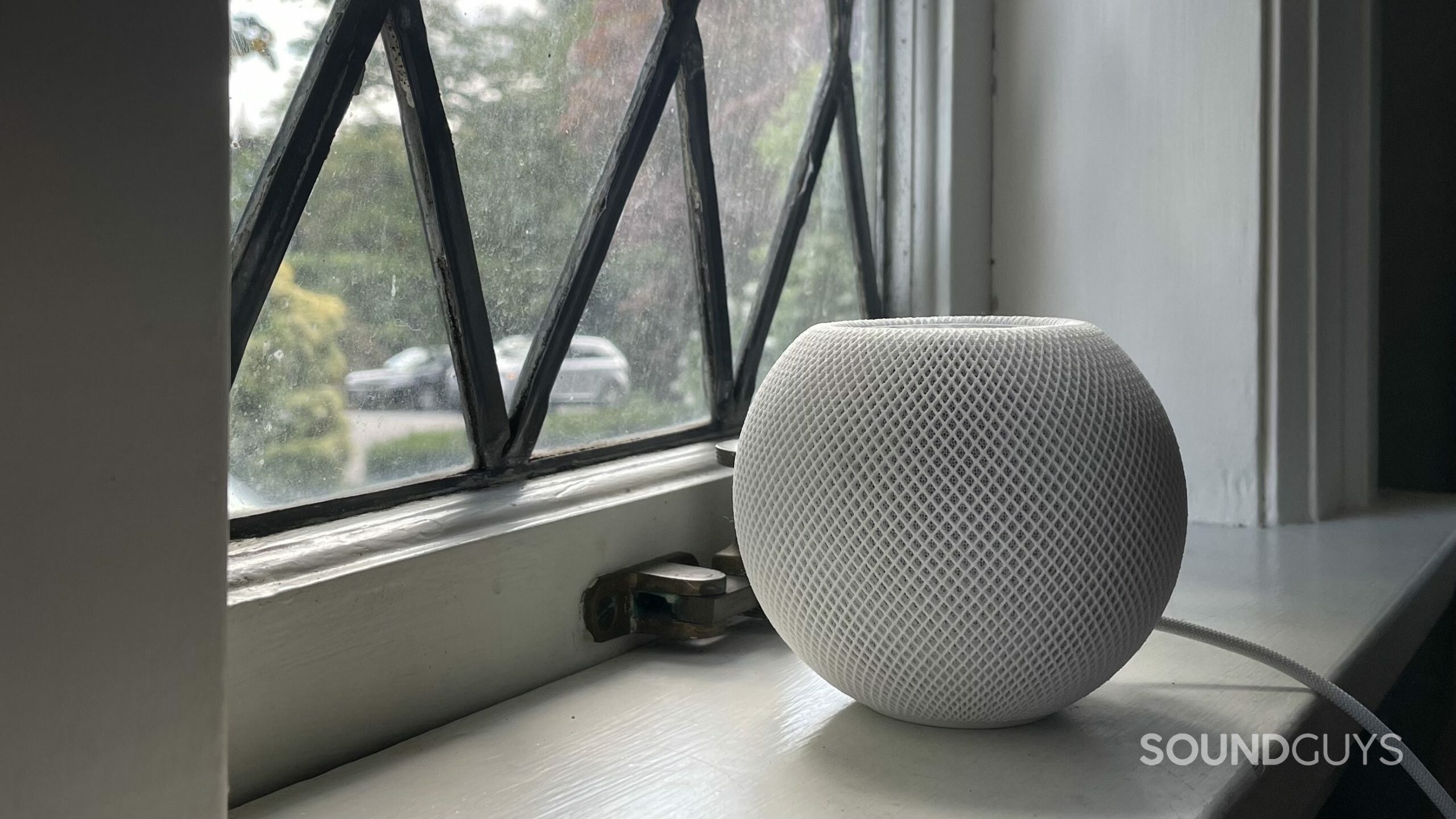
To understand the technological leap of the HomePod Mini 2, one must examine the micro-acoustic constraints of its predecessor. Packing high-fidelity audio into a sphere measuring just 3.3 inches tall requires defying traditional acoustic physics. For the second-generation iteration, Apple’s acoustic engineering division re-architected the internal transducer assembly from the silicon up.
At the core of the device lies a newly formulated neodymium magnet motor driving a custom full-range transducer. This driver is paired with dual force-canceling passive radiators, which have been physically enlarged and mechanically decoupled from the outer acoustic mesh. This decoupling effectively mitigates cabinet vibration, resulting in cleaner low-frequency reproduction—commonly referred to in audio engineering as bass extension—without muddying the critical midrange frequencies where human speech and complex instrumentation reside. Furthermore, real-time computational audio, powered by an updated system-in-package (SiP), analyzes the audio signal at over 180 times per second, dynamically tuning the dynamic range and managing excursion limits to prevent clipping.
Connectivity infrastructure has also received a sweeping modernization. The integration of Apple’s second-generation Ultra Wideband (UWB) chip drastically improves spatial awareness and Hand-off precision. When a user approaches the device with an iPhone, the transfer latency drops precipitously, accompanied by haptic feedback and visual UI cues that feel instantaneous. Additionally, support for Thread and Matter protocols guarantees future-proof infrastructure scalability, positioning the HomePod Mini 2 as a robust, low-power border router for complex smart home ecosystems involving lighting, climate control, and enterprise-grade residential security systems.
Financial Mechanics and Market Positioning
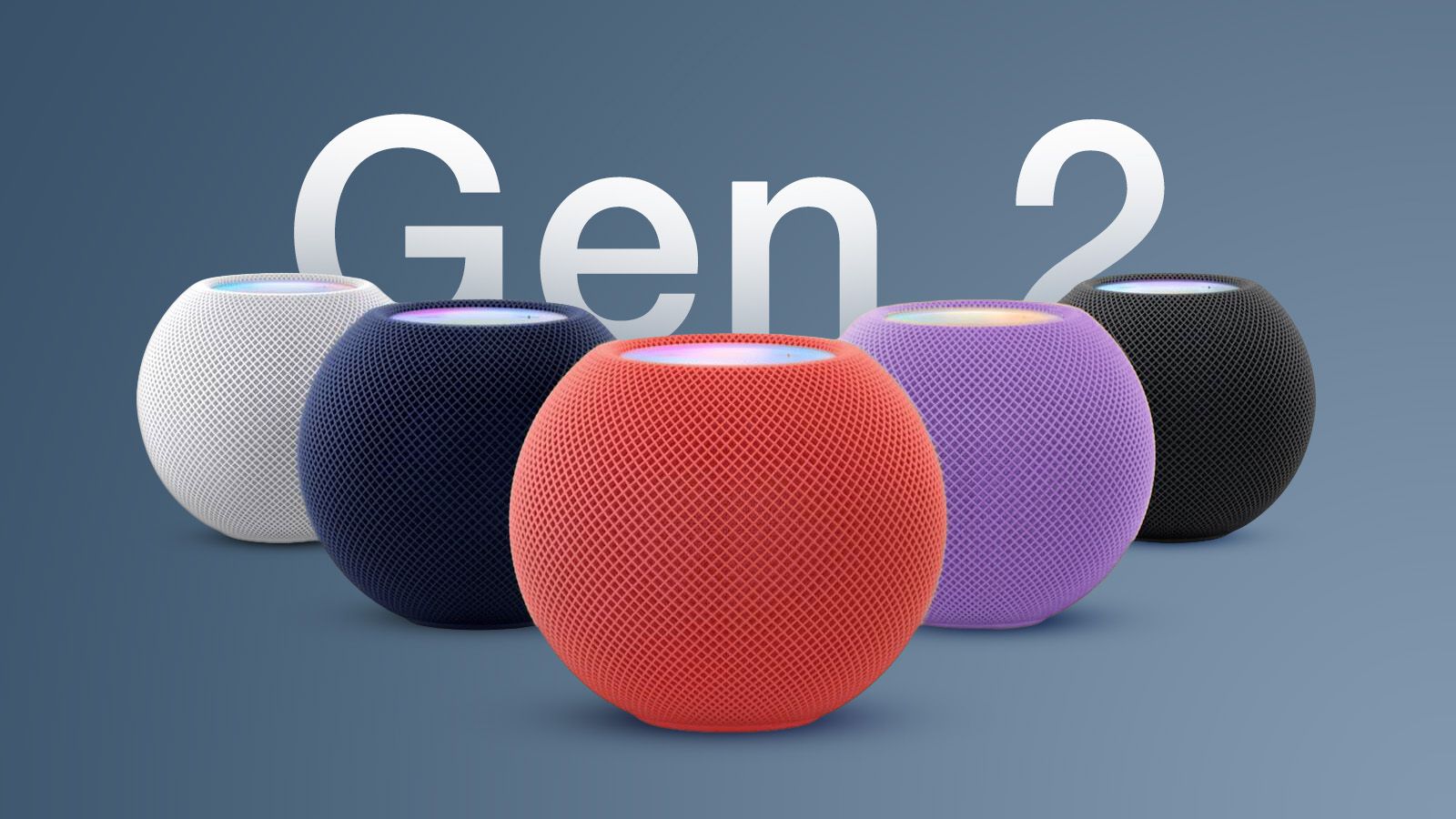
From a corporate finance perspective, Apple’s decision to maintain the $99 retail price point for the HomePod Mini 2 is a textbook study in ecosystem monetization and margin management. In an inflationary macroeconomic environment marked by volatile supply chain costs and compressed consumer discretionary spending, hardware manufacturers frequently face a binary choice: pass rising input costs to consumers via price hikes, or absorb margin compression to protect unit volume.
Apple has opted for a third path: supply chain vertical integration and component commonality. By leveraging economies of scale across its vast manufacturing partners in Asia and utilizing silicon architectures shared with other product lines, Apple preserves healthy valuation multiples while pricing competitors out of the high-end smart audio segment. The strategic objective is clear: customer lifetime value (LTV) derived from Apple Music subscriptions, iCloud storage tiers, and smart home service integrations far outweighs the immediate hardware gross margin.
| Feature / Specification | Original HomePod Mini (2020) | HomePod Mini 2 (Current Release) | Strategic Impact / Upgrade |
|---|---|---|---|
| Launch Price | $99.00 USD | $99.00 USD | Maintains aggressive price-point accessibility against rivals. |
| Acoustic Architecture | Full-range driver & dual passive radiators (Gen 1) | Redesigned custom driver with decoupled, larger passive radiators | Significantly wider soundstage and enhanced bass depth. |
| Wireless & Connectivity | Apple S5 chip, U1 chip, Wi-Fi 4 (802.11n) | Updated SiP, 2nd-Gen UWB chip, Wi-Fi 6E ready | Reduced latency, superior spatial tracking, and robust IoT routing. |
| Smart Home Protocols | Thread, HomeKit | Thread, Matter, Enhanced HomeKit Security | Broader interoperability with cross-brand IoT devices. |
Industry & Market Implications: Ecosystem Lock-In
The launch of the HomePod Mini 2 carries severe competitive implications for rival consumer technology giants. Amazon and Google have historically dominated the smart speaker landscape through aggressive discounting of their Echo Dot and Nest Mini hardware, frequently monetizing through data harvesting, targeted advertising prompts, and ecosystem service cross-sells.
Apple’s positioning fundamentally rejects this ad-driven monetization model. By emphasizing privacy-first architecture, end-to-end encryption for smart home data, and zero-ad hardware experiences, Apple appeals directly to affluent consumer demographics and security-conscious enterprise environments. When deployed in executive boardrooms, home offices, or high-end residential developments, the HomePod Mini 2 serves as an unobtrusive, highly secure intercom and audio terminal.
Furthermore, the device acts as a frictionless gateway for multi-room audio deployments. Consumers who previously found the $299 price tag of the standard HomePod prohibitive can now easily scale stereo pairs and whole-home audio networks at a fraction of the capital outlay. This accelerates adoption rates and deepens the moat surrounding Apple’s hardware-software ecosystem.
Frequently Asked Questions (People Also Ask)
Does the HomePod Mini 2 require an iPhone or Apple device to function?
Yes. Initial setup, configuration, and software management require an Apple device running iOS, iPadOS, or macOS. While third-party music services like Pandora or Deezer can be cast via AirPlay once configured, the core assistant and smart home automation features are tightly integrated into the Apple software ecosystem.
Can two HomePod Mini 2 speakers be paired to create a stereo system?
Absolutely. Users can pair two HomePod Mini 2 speakers in the same room to create a dedicated left and right stereo pair. Notably, you cannot mix a first-generation HomePod Mini with a HomePod Mini 2 to form an official stereo pair due to internal acoustic calibration differences.
How does the HomePod Mini 2 handle smart home privacy and data security?
Apple processes Siri requests directly on-device or uses encrypted channels that are not tied to user advertising profiles. Smart home video feeds utilizing HomeKit Secure Video are end-to-end encrypted before being stored in iCloud, ensuring that neither Apple nor third parties can access personal footage.
Future Outlook & Key Milestones
As consumer technology converges further with ambient computing and artificial intelligence, the role of edge-computing audio hardware will expand exponentially. Industry analysts anticipate that Apple’s upcoming software iterations will integrate deeper on-device machine learning capabilities into the HomePod lineup, potentially transforming smart speakers into proactive conversational assistants capable of managing complex, multi-step residential automations without relying entirely on cloud round-trips.
Investors and tech commentators should closely monitor several critical milestones over the coming fiscal quarters:
- Holiday Sales Volume Metrics: Supply chain sell-through rates during the upcoming holiday shopping season will indicate whether the $99 price point continues to drive massive volume capture.
- Matter Protocol Adoption Rates: The speed at which third-party smart home manufacturers adopt the Matter standard will dictate the HomePod Mini 2’s utility as a universal household controller.
- Siri Architecture Upgrades: Future announcements regarding generative AI enhancements integrated into Apple’s voice assistant framework will directly impact the perceived value and utility of connected home audio devices.
Ultimately, the HomePod Mini 2 is a testament to disciplined engineering and strategic market positioning. By delivering superior acoustic performance within an identical physical and financial footprint, Apple has reinforced its dominance in premium consumer hardware, leaving competitors scrambling to match its blend of fidelity, privacy, and ecosystem synergy.