Apple’s HomeView Ecosystem Expansion: Inside the 15 Core Apps, CarPlay Bridge, and Enterprise Smart Home Strategy
Executive Takeaways
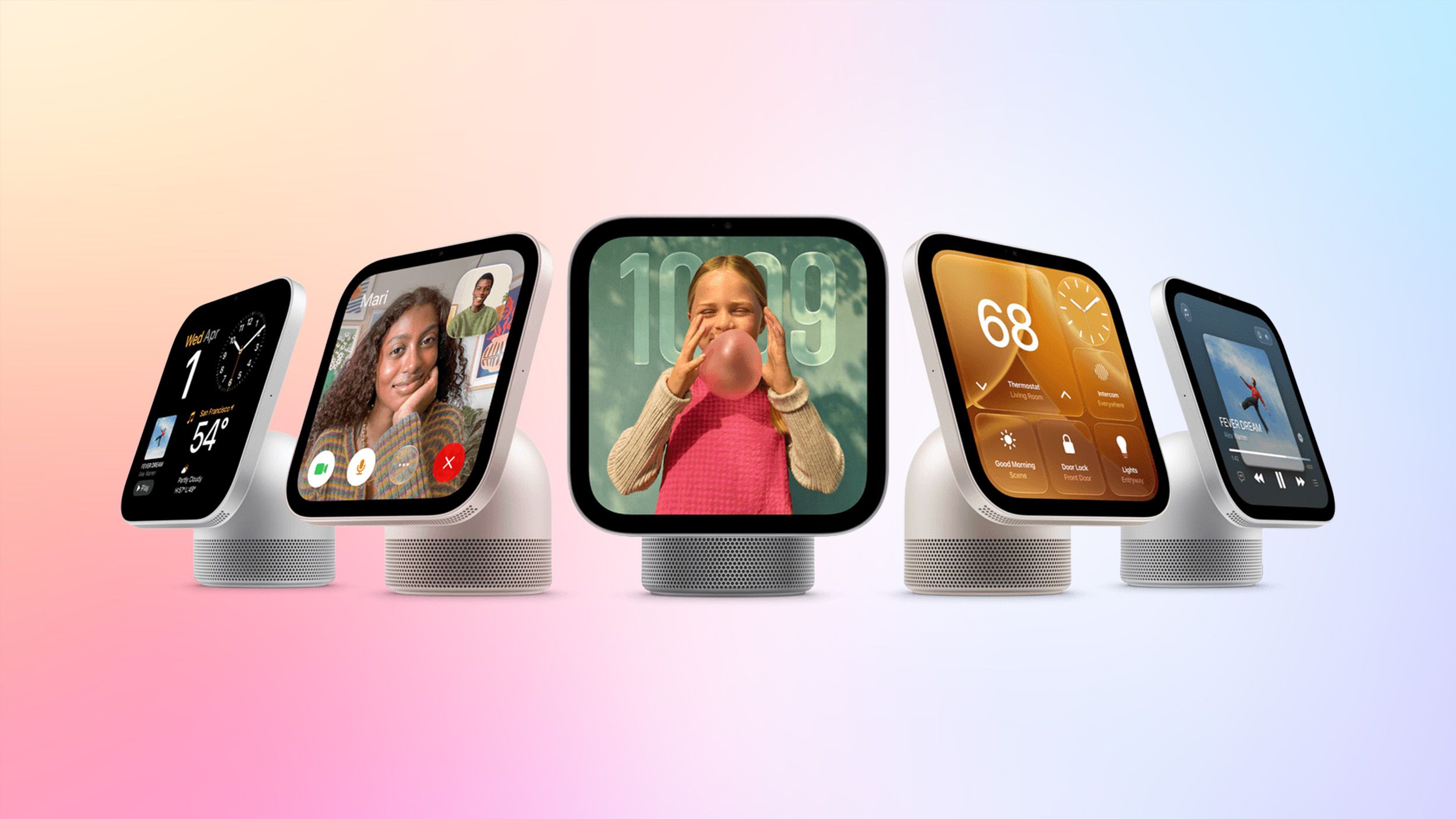
- Ecosystem Convergence: Apple’s newly detailed HomeView interface integrates 15 native applications alongside select CarPlay-optimized utilities and interactive desktop widgets.
- Strategic Capital Allocation: The platform architecture signals a deeper enterprise and consumer play, bridging iOS, iPadOS, and dedicated spatial computing hardware to capture high-margin smart home market share.
- Interoperability & Infrastructure: Leveraging modular API frameworks, HomeView reduces friction for developers migrating existing CarPlay applications to localized home display environments.
- Market Valuation Impact: As hardware differentiation slows, software-driven services and integrated ecosystem stickiness remain vital drivers for Apple's long-term valuation multiples and recurring revenue streams.
Comprehensive Narrative: The Architecture of Apple HomeView
In an era where consumer electronics conglomerates continually search for the next structural growth catalyst, Apple Inc. is quietly cementing its footprint in the ambient computing and smart living sectors. Recent wire reports and developer leaks—highlighted by disclosures surrounding the platform's initial 15 native applications, localized widget support, and cross-pollination with CarPlay architecture—reveal a calculated push toward unified domestic ecosystems. For institutional investors, hardware manufacturers, and software architects alike, HomeView represents far more than a simple interface update; it is a critical test of infrastructure scalability and user-experience retention.
The strategic genesis of HomeView lies in the convergence of fragmented IoT (Internet of Things) protocols, security frameworks, and entertainment hubs. Historically, home automation suffered from market fragmentation, forcing consumers to navigate disparate applications for climate control, security monitoring, and media consumption. By curating a dedicated baseline of 15 core applications optimized for persistent display environments, Apple is addressing enterprise-grade demands for reliability, intuitive navigation, and low-latency response times. This rollout mirrors historic platform shifts, where seamless integration directly translates to high-barrier-to-entry moats and robust customer lifetime value (LTV).
Crucially, the decision to incorporate select CarPlay applications and interactive widgets into the HomeView environment demonstrates sophisticated resource reuse. Rather than forcing developers to rebuild software from the ground up, Apple’s engineering teams have leveraged modular API bridges. This allows applications originally designed for vehicular infotainment systems—such as navigation utilities, audio streaming interfaces, and communication tools—to function seamlessly within stationary domestic displays. For enterprise developers, this interoperability significantly optimizes development expenditure and accelerates time-to-market across multiple hardware form factors.
Technical Breakdown and Platform Capabilities

A closer inspection of the HomeView ecosystem reveals a deliberate curation of utilities designed to maximize daily active engagement. The initial suite of 15 core apps spans environmental management, security surveillance, calendar synchronization, and personal communication. Furthermore, the inclusion of dynamic widgets allows users to monitor real-time data feeds—ranging from local energy grid pricing to high-priority family notifications—without launching full-screen applications.
From a cloud compute architecture perspective, HomeView relies heavily on edge processing and localized end-to-end encryption. Unlike cloud-dependent competitors that route routine smart home telemetry through external server farms, Apple continues to emphasize privacy-centric hardware execution. Utilizing dedicated on-device neural engines, HomeView processes routine automation triggers locally, mitigating latency issues and satisfying rigorous regulatory compliance standards regarding consumer data privacy in both North American and European markets.
| Feature Category | Implementation Details | Strategic Impact |
|---|---|---|
| Core Application Suite | 15 native apps optimized for persistent home display use cases. | Establishes a standardized baseline for daily domestic utility. |
| CarPlay Integration | Cross-platform compatibility for select navigation and media apps. | Reduces development friction and unifies vehicle-to-home experiences. |
| Widget Architecture | Interactive, glanceable UI components supporting real-time data feeds. | Enhances user retention and minimizes cognitive load. |
| Data Security | Local edge processing with end-to-end encryption for telemetry. | Mitigates regulatory compliance risks and strengthens brand trust. |
Industry and Market Implications
The expansion of HomeView carries profound economic implications for the consumer technology landscape. Hardware manufacturers specializing in smart thermostats, security cameras, and automated lighting systems must now evaluate how their proprietary software stacks interface with Apple’s dominant ecosystem. Companies that proactively align with HomeView API standards stand to capture significant market share, while legacy hardware makers clinging to closed, proprietary ecosystems risk rapid commoditization.
From an investment standpoint, analysts are closely monitoring how this software rollout influences Apple’s valuation multiples. As revenue growth from baseline smartphone upgrades stabilizes across mature markets, Wall Street increasingly values high-margin software services and integrated ecosystem stickiness. HomeView acts as a defensive moat and an offensive wedge, keeping households tethered to the broader Apple hardware portfolio—from iPhones and iPads to dedicated smart home displays.
Frequently Asked Questions (People Also Ask)
What exactly is Apple HomeView?
Apple HomeView is an integrated software interface and ecosystem framework designed to unify smart home management, interactive widgets, and select cross-platform applications into a cohesive, persistent display environment.
How do CarPlay apps integrate into the HomeView environment?
Through shared modular API frameworks, select applications originally engineered for vehicular CarPlay systems can be adapted to run seamlessly on home display hardware, allowing for unified navigation, audio, and communication utilities.
Does HomeView process data locally or via the cloud?
HomeView prioritizes edge computing and local device processing for routine automation and security telemetry, ensuring high-speed execution and enhanced regulatory compliance regarding user privacy.
What types of enterprise opportunities does this platform create?
The platform opens new revenue streams for third-party developers and hardware manufacturers who can leverage Apple’s standardized APIs to deploy high-reliability commercial and residential automation solutions.
Future Outlook and Key Milestones
As Apple continues to refine HomeView ahead of broader commercial deployment, industry observers should monitor several critical milestones. Key indicators to watch include developer conference announcements regarding expanded SDK access, enterprise partnership agreements with major real estate and property tech conglomerates, and regulatory scrutiny regarding platform interoperability.
Ultimately, HomeView represents a calculated strategic gambit by Apple to own the ambient digital infrastructure of modern living. By successfully merging mobile, automotive, and domestic computing paradigms, the company is positioning itself to capture enduring market liquidity and cement its status as the premier architect of connected human experiences.