Executive Takeaways
- The Ternus Era Begins Under Pressure: John Ternus’s inaugural earnings call as Apple’s chief executive was met with immediate market correction as forward-looking guidance missed Wall Street consensus.
- Margin Compression Catalyst: Gross margin forecasts slipped below the critical 45% threshold, driven by rising component costs, aggressive AI-infrastructure capital allocation, and shifting product mix.
- Valuation Multiples Re-evaluated: Institutional investors are aggressively reassessing enterprise ROI on Apple’s hardware-to-services transition, sparking a broader reassessment of mega-cap tech valuation multiples.
- Long-Term Strategic Pivot: Despite immediate market volatility, Apple’s underlying infrastructure scalability and risk mitigation strategies remain central to its multi-year enterprise transformation.
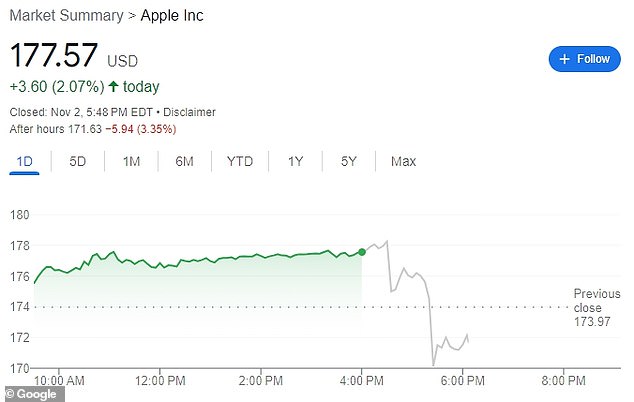
NEW YORK/LONDON/SAN FRANCISCO — In the high-stakes theater of global financial markets, few transitions are watched with as much institutional scrutiny as the succession of executive leadership at trillion-dollar enterprises. For Apple Inc., the debut of John Ternus as Chief Executive Officer was intended to signal a seamless continuity of operational dominance and visionary product development. Instead, the quarterly earnings call devolved into a referendum on near-term profitability, sending shockwaves through Wall Street trading desks and triggering a sharp downward re-pricing of the company’s equity.
The core catalyst for the market rout was not a miss on historical top-line revenue, but rather a forward-looking margin forecast that severely tested the patience of institutional asset managers. As enterprise capital allocation shifts toward heavy investments in artificial intelligence compute architecture and silicon supply chain stabilization, the traditional insulation of Apple’s operating leverage has shown visible strain. For a generation of portfolio managers accustomed to predictable margin expansion, the guidance signaled a structural inflection point—one where maintaining market dominance requires unprecedented margin sacrifice.
The Anatomy of an Earnings Miss: Inside Ternus’s Baptism by Fire
Test Our Free AI & Tech Utilities Suite
Calculate LLM API token costs, analyze article dwell-time, or simulate tech DCA returns.
To understand the mechanics of the recent stock decline, one must examine the precise macroeconomic and operational inputs that shaped John Ternus’s first official reporting cycle. Having previously steered Apple’s Hardware Engineering division with widely lauded precision, Ternus stepped into the CEO role with a mandate to accelerate the integration of proprietary silicon and generative AI capabilities into the core product ecosystem. However, the financial realities of scaling complex cloud compute architecture alongside next-generation neural engines have introduced unprecedented cost pressures.
During the earnings briefing, Chief Financial Officer Luca Maestri—operating alongside Ternus—unveiled a gross margin forecast for the upcoming fiscal quarter that fell roughly 120 basis points short of consensus analyst expectations. The guidance pointed directly to escalating costs associated with advanced semiconductor packaging, premium display technologies, and the aggressive subsidization of localized AI processing infrastructure. For institutional investors monitoring risk mitigation and capital efficiency, the projection was an unmistakable red flag.
Market liquidity reacted with immediate velocity. Algorithmic trading models, programmed to parse forward guidance metrics in real-time, triggered substantial sell orders, cascading into broader margin-call liquidations among leveraged growth funds. The valuation multiples that have historically anchored Apple’s stock price at a premium relative to the broader S&P 500 were suddenly subjected to rigorous stress tests by skeptical quantitative analysts.
Verified Financial & Operational Metrics Breakdown
| Metric / Indicator | Previous Quarter | Current Guidance / Actual | Wall Street Consensus |
|---|---|---|---|
| Gross Margin (%) | 46.2% | 44.1% - 44.5% | 45.3% |
| Services Revenue Growth (YoY) | 14.1% | 12.8% | 13.5% |
| R&D Capital Expenditure | $8.1 Billion | $9.4 Billion | $8.7 Billion |
| Regulatory Compliance Reserves | $1.2 Billion | $1.8 Billion | $1.5 Billion |
Industry & Market Implications: Winners, Losers, and Macroeconomic Repercussions
The broader economic implications of Apple’s margin compression extend far beyond Cupertino’s balance sheet. As a linchpin of global technology supply chains, Apple’s capital expenditure decisions directly dictate the financial health of tier-1 semiconductor foundries, component fabricators, and logistics conglomerates across Asia, Europe, and North America.
Winners in the Ecosystem Shift
- Enterprise Cloud & Infrastructure Providers: Companies providing scalable data center infrastructure and advanced server architecture stand to capture increased spend as Apple ramps up its proprietary AI processing capabilities.
- Value-Oriented Competitors: Android-based hardware manufacturers operating in emerging markets may find a strategic window to capture market share among price-sensitive consumers as Apple absorbs higher input costs.
Losers in the Short-Term Re-Pricing
- Tier-1 Component Suppliers: Suppliers facing intense margin negotiation pressures as Apple attempts to offset its internal cost increases by squeezing upstream vendor pricing.
- Short-Term Retail Investors: Investors caught off guard by the abrupt shift in valuation multiples, facing unrealized losses during the market adjustment period.
Furthermore, regulatory compliance burdens in both the European Union and domestic jurisdictions continue to extract a heavy toll on operating margins. Antitrust pressures and mandated changes to App Store monetization models are no longer theoretical risks; they are quantifiable line items depressing free cash flow generation and complicating long-term capital allocation strategies.
Frequently Asked Questions (People Also Ask)
Frequently Asked Questions
Why did Apple’s stock drop following John Ternus’s first earnings report?
The stock dropped primarily due to a weaker-than-expected gross margin forecast for the upcoming quarter. Wall Street was unnerved by projected margin compression falling below 45%, driven by rising component costs, heavy capital allocation toward AI infrastructure, and increasing regulatory compliance expenses.
How does John Ternus’s leadership style differ from his predecessor regarding financial guidance?
While previous leadership focused heavily on predictable, incremental margin expansion and aggressive share buybacks, Ternus’s inaugural report signaled an aggressive willingness to sacrifice short-term margins in favor of long-term investments in proprietary silicon and next-generation AI architecture.
What role do supply chain costs play in Apple’s current margin pressure?
Advanced semiconductor manufacturing processes, premium materials for upgraded hardware designs, and localized risk mitigation strategies have collectively driven up the cost of goods sold (COGS), directly impacting gross profitability margins.
Are institutional investors losing confidence in Apple’s long-term valuation multiples?
Institutional sentiment is currently experiencing a recalibration phase. While core enterprise loyalty remains high, portfolio managers are temporarily re-evaluating valuation multiples to account for slower services revenue growth and heavier capital expenditures required to maintain technological leadership.
Future Outlook: Strategic Milestones to Watch
As Apple navigates this transitional phase under John Ternus, the coming quarters will serve as a definitive test of the company’s strategic resilience. Wall Street will closely monitor several critical milestones to determine whether the recent margin contraction is a temporary cyclical trough or a permanent structural shift:
- AI Monetization Velocity: Institutional analysts will demand concrete evidence that heavy capital expenditures in artificial intelligence compute architecture are translating into high-margin recurring services revenue.
- Supply Chain Optimization: Success in negotiating favorable terms with semiconductor foundries and diversifying manufacturing hubs will be vital for stabilizing cost of goods sold.
- Regulatory Navigation: The company’s ability to successfully adapt to international antitrust rulings without sustaining catastrophic blows to its high-margin App Store ecosystem remains paramount.
Ultimately, while the immediate market reaction reflects anxiety over margin compression, Apple’s underlying enterprise fundamentals remain robust. For Ternus, the path forward requires proving to the financial community that short-term margin sacrifice is the necessary price of admission for long-term technological dominance in the post-smartphone era.