The Genesis of a High-Stakes Hardware Rollout
For more than half a decade, Wall Street analysts, supply chain auditors, and dedicated Apple aficionados tracked the speculative horizon of foldable mobile architectures. When Apple finally unveiled its long-rumored Foldable iPhone Duo—comprising a standard book-style foldable flagship and a clamshell variant designed to capture the ultra-premium mobile segment—market liquidity surged. Capital allocation models across major institutional funds factored in a multi-billion-dollar hardware refresh supercycle. Yet, barely weeks into global deployment, the narrative has pivoted dramatically from unbridled technological triumph to acute engineering scrutiny.
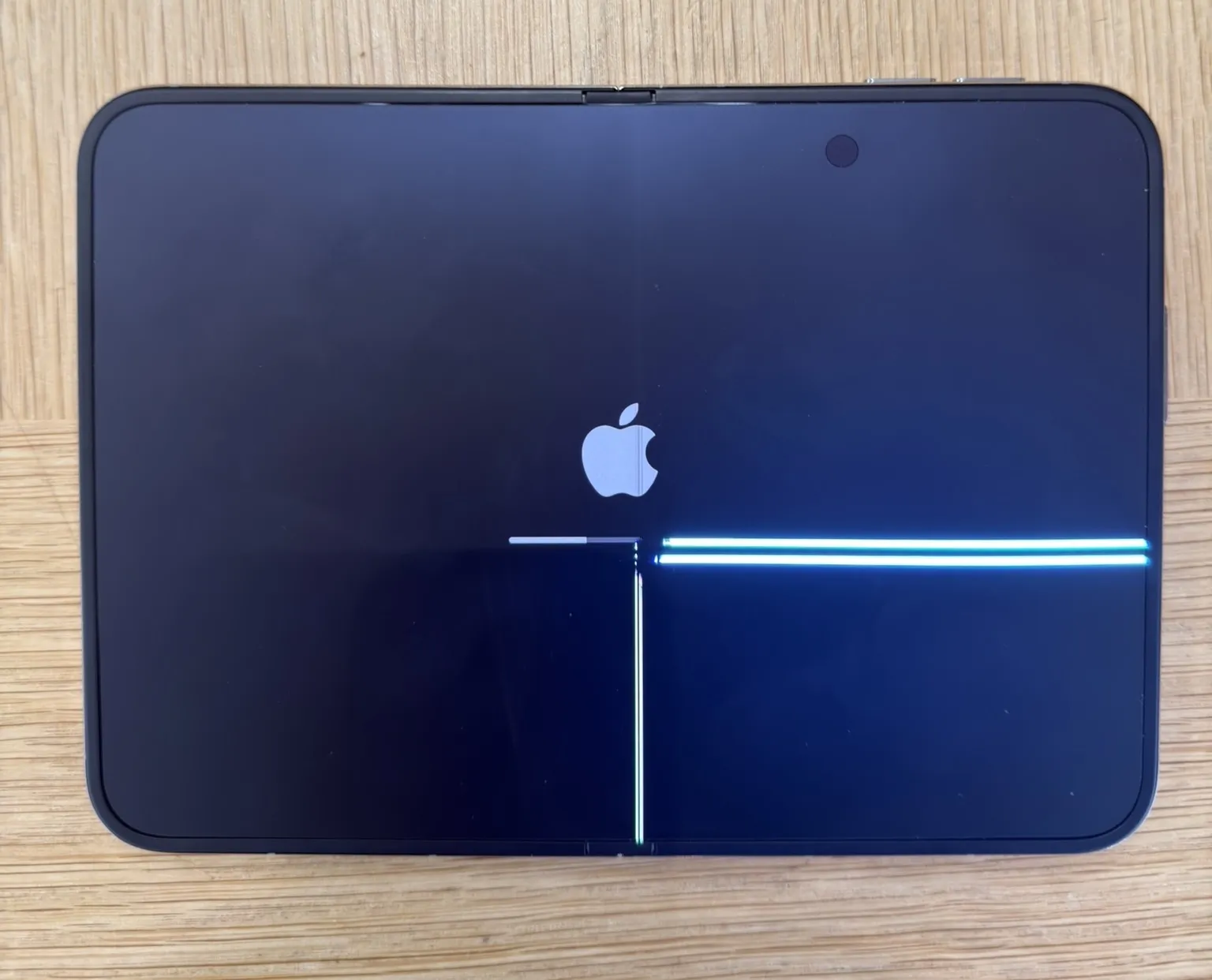
Early enterprise purchasers, high-net-worth consumers, and tech reviewers have flooded customer support channels and public forums with alarming documentation: microscopic stress fractures manifesting precisely along the primary vertical hinge axis, progressing rapidly into spiderweb cracking of the flexible ultra-thin glass (UTG) layer. While foldable devices from competing manufacturers have historically weathered similar growing pains, Apple’s uncompromising branding built on seamless UX and rugged enterprise-grade durability has amplified the public relations and fiscal fallout.
Anatomy of a Structural Failure: Engineering vs. Physics

At the heart of the crisis lies a fundamental conflict between aesthetic minimalism and the punishing physics of flexible material science. To achieve a zero-gap fold without sacrificing structural thinness, Apple's engineering division reportedly selected a proprietary multi-layered laminate combining specialized polymer buffers with chemically strengthened ultra-thin glass. However, rigorous teardown analyses and metallurgical audits suggest that the localized radius of curvature places extreme tensile stress on the organic light-emitting diode (OLED) subpixels.
Furthermore, infrastructural scalability within the manufacturing cleanrooms has come under fire. Yield rates at primary Asian manufacturing partners have fluctuated as technicians struggle to maintain micro-tolerance standards during automated laser-cutting and lamination phases. When temperature fluctuations or microscopic particulate contamination compromise the adhesive layer bonding the display to the dual-axis drop-hinge mechanism, internal shearing forces are unleashed upon repeated folding actions. The result is an invisible yet fatal point of structural vulnerability that yields sudden, catastrophic screen failure under normal daily use conditions.
Market Repercussions and Broader Economic Crosscurrents
The timing of this hardware hiccup intersects with a volatile macroeconomic landscape. Simultaneously, institutional investors are processing massive corporate restructuring events across the TMT (Technology, Media, and Telecom) sectors—notably the fierce, multi-front bidding war between Paramount and Netflix for Warner Bros. asset integration. In this hyper-competitive climate, any perceived chink in Apple’s operational armor carries disproportionate weight. Valuation multiples for tech conglomerates are acutely sensitive to hardware reliability metrics, as enterprise ROI relies heavily on predictable hardware lifecycles and minimal infrastructure downtime.
| Metric / Parameter | Target Benchmark | Observed Early Reality | Financial & Operational Impact |
|---|---|---|---|
| Hinge Durability Cycle | 500,000 Folds | Degradation at ~45,000–60,000 folds | Elevated RMA rates & warranty liability |
| Manufacturing Yield Rate | 82% Baseline | Estimated 58%–64% post-launch | Supply chain bottlenecks & margin compression |
| Enterprise Upgrade Sentiment | Strong Growth (+14 YoY) | Cautious Pause / Pilot Delay | Deferred capital allocation in B2B tier |
| Stock Valuation Multiple | Stable Premium | Short-term intraday volatility | Hedged institutional positions |
As corporate IT departments reassess their mobile deployment strategies, chief information officers (CIOs) are adopting a defensive posture. Risk mitigation protocols now dictate freezing large-scale purchases of the Foldable iPhone Duo until Cupertino releases an official engineering bulletin or implements a silent hardware revision. Consequently, market liquidity for second-hand premium devices has experienced temporary ripples, while competing OEMs quietly angle to capture disillusioned enterprise accounts.
Frequently Asked Questions (People Also Ask)
What is causing the screen cracking issues on the new Apple Foldable iPhone Duo?
Preliminary engineering diagnostics indicate that intense tensile stress along the central drop-hinge axis, combined with micro-tolerances in the ultra-thin glass (UTG) lamination process, creates localized structural fatigue. Repeated folding under standard environmental conditions can lead to sub-surface delamination and rapid fracture propagation across the organic LED display.
How is Apple responding to warranty claims and customer complaints regarding hardware failure?
Apple's retail and enterprise support divisions have begun processing affected units under standard AppleCare+ tiers while internal quality assurance teams conduct forensic audits. However, official corporate statements have remained measured, avoiding broad admissions of a systemic design defect while quietly examining line-side manufacturing adjustments at primary overseas fabrication plants.
Will this hardware issue impact enterprise IT purchasing and corporate device upgrade cycles?
Yes. Risk management teams within Fortune 500 enterprises are exercising caution, temporarily halting large-scale deployment rollouts of the foldable duo. Corporate technology buyers are demanding higher proof of structural durability and total cost of ownership (TCO) predictability before committing substantial capital expenditures to unproven form factors.
How do these manufacturing hurdles compare to early foldable releases from competing tech giants?
Early-generation foldable devices from rival original equipment manufacturers (OEMs) encountered similar initial hurdles regarding crease degradation and hinge particulate ingress. However, because Apple enters the category with a reputation for immaculate hardware execution and premium enterprise reliability, the market scrutiny and investor reaction are significantly magnified.
Future Outlook: Strategic Milestones to Monitor
As the situation develops, institutional analysts and technology strategists will be monitoring several critical signposts to gauge the long-term viability of Apple’s foldable product line. First, observers will look for any sign of a stealth hardware revision—often identified through quiet supply chain adjustments or modifications to secondary-market repair guidelines. If Cupertino alters the hinge architecture or introduces reinforced polymer buffers in subsequent manufacturing batches, it will confirm that internal engineering teams identified a material flaw requiring immediate remediation.
Second, financial analysts will scrutinize upcoming quarterly earnings reports for spikes in warranty reserve allocations and customer support expenditures. A meaningful expansion in post-sale liabilities could temporarily compress operating margins, serving as a cautionary tale for capital allocation in unproven consumer electronics categories. Ultimately, while Apple possesses the balance sheet strength and brand equity to weather transient hardware controversies, the Foldable iPhone Duo serves as a stark reminder that even the world’s most sophisticated technology ecosystems remain beholden to the unforgiving laws of physical material science.