Executive Takeaways
- Strategic Expansion: Apple is officially bridging the gap between home-based digital subscriptions and heavy iron with the introduction of its Fitness+ Gym Strength program, featuring bespoke, algorithmically generated workout plans.
- Ecosystem Lock-in: By integrating tightly with Apple Watch telemetry and HealthKit infrastructure, the new program deepens user retention, driving recurring high-margin service revenue crucial for valuation multiples.
- Competitive Disruption: The move directly challenges legacy brick-and-mortar gym chains, boutique fitness franchises, and specialized fitness app developers by deploying enterprise-grade AI personalization at scale.
- Monetization & Capital Allocation: This rollout underscores Apple's aggressive capital allocation toward its high-growth Services division, mitigating hardware cyclicality and stabilizing long-term free cash flow.
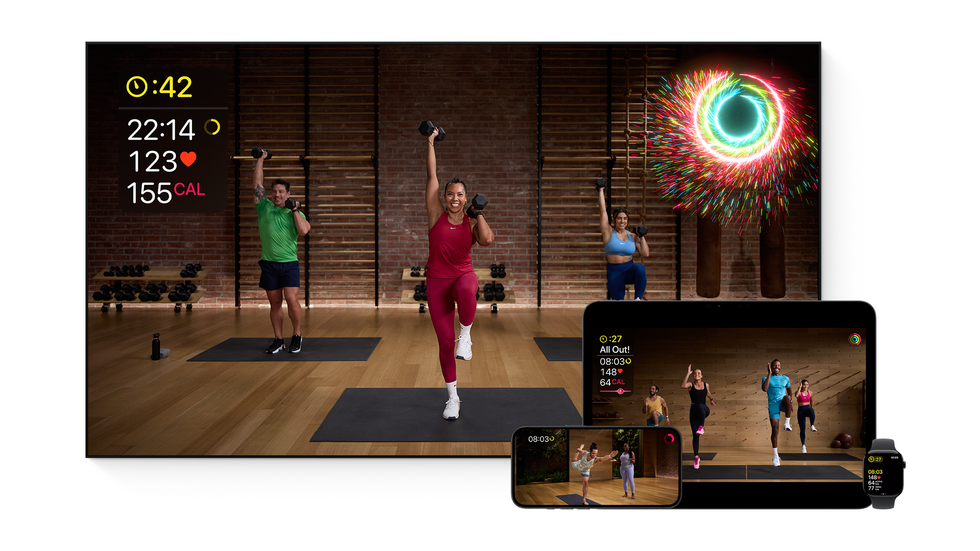
CUPERTINO, Calif. — In a calculated maneuver that signals a direct assault on the traditional brick-and-mortar fitness establishment, Apple Inc. has officially announced the expansion of its Fitness+ ecosystem with the introduction of the Gym Strength program. Featuring personalized, progressive workout plans designed specifically for commercial gym environments, this new offering represents a watershed moment in digital health technology. For years, Apple Fitness+ has cultivated a loyal subscriber base by dominating the living room and home-gym market. Now, through sophisticated cloud compute architecture and real-time biometric feedback loops, Cupertino is embedding itself directly into the physical infrastructure of global gym chains.
This investigative report examines the catalytic events leading up to this product launch, deconstructs the underlying software infrastructure, analyzes the broader economic and market implications for the trillion-dollar wellness sector, and evaluates the strategic risk mitigation strategies employed by Apple’s executive leadership team.
The Catalytic Shift: Moving from Living Rooms to Commercial Iron
Test Our Free AI & Tech Utilities Suite
Calculate LLM API token costs, analyze article dwell-time, or simulate tech DCA returns.
The genesis of the Gym Strength program traces back to a fundamental realization within Apple’s digital health division: while home-based workouts surged during the macroeconomic shifts of the early 2020s, a vast cohort of fitness enthusiasts maintain hybrid routines, splitting their time between residential setups and commercial training facilities. Legacy fitness applications and boutique studio apps have long attempted to capture this cross-training behavior, yet most suffered from fragmented data silos and poor user retention.
Apple’s strategic advantage lies in its unmatched hardware-software integration. By leveraging the continuous data stream of the Apple Watch—monitoring heart rate variability, active calories, and movement metrics—the new Gym Strength program formulates bespoke workout regimes that adapt dynamically to user fatigue and historical performance. This eliminates the guesswork of weight training, offering institutional-grade programming to the mass-market consumer without requiring expensive personal training overhead.
From a capital allocation perspective, this product rollout aligns perfectly with Apple’s stated goal of scaling its Services revenue. As hardware upgrade cycles lengthen across the global smartphone market, Wall Street analysts have increasingly scrutinized the software and services segment as the primary engine for margin expansion and resilient enterprise ROI. The Fitness+ Gym Strength initiative is engineered to lower subscriber churn, enhance App Store ecosystem stickiness, and justify recurring subscription pricing tiers.
Deconstructing the Technology: Cloud Compute and Biometric Telemetry
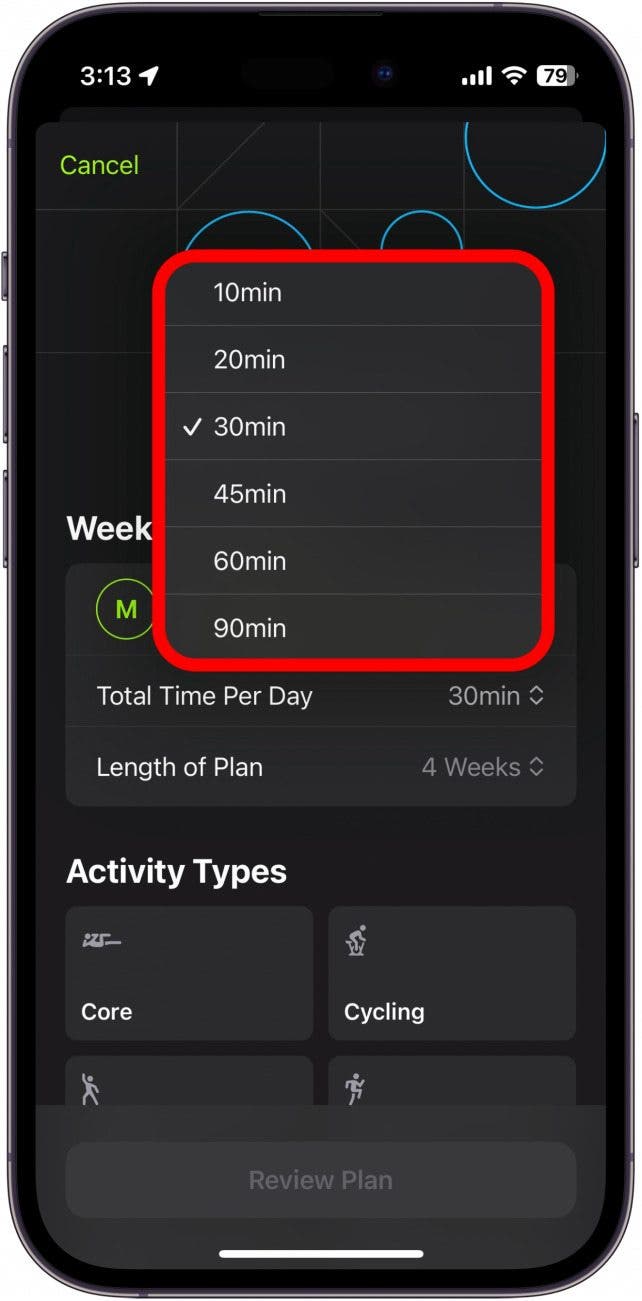
Behind the sleek user interface of the Fitness+ Gym Strength program lies a complex backend supported by advanced machine learning models. Unlike static PDF workout routines or generic video libraries, Apple’s new offering relies on continuous feedback loops. When a user logs a heavy compound movement—such as a barbell squat or deadlift—the system evaluates metrics including concentric velocity, rest intervals, and perceived exertion levels.
Infrastructure scalability has been a primary engineering hurdle for Apple’s health division. Delivering personalized, real-time video guidance paired with complex weight progression algorithms requires robust cloud compute architecture capable of processing millions of simultaneous telemetry streams with zero latency. Regulatory compliance and data privacy remain cornerstones of Apple’s market positioning; all biometric data processed through HealthKit and Fitness+ is encrypted end-to-end, insulating the firm from regulatory scrutiny regarding consumer health data monetization.
| Metric / Parameter | Legacy Boutique Fitness | Traditional Gym Personal Training | Apple Fitness+ Gym Strength |
|---|---|---|---|
| Average Monthly Cost | $30 – $50 / app | $300 – $800 / month | Included in existing Fitness+ subscription ($9.99/mo) |
| Personalization Level | Low (Static Video Content) | High (Human Trainer) | High (Algorithm-Driven & Biometric Feedback) |
| Hardware Integration | Fragmented / Third-Party | None | Native Apple Watch & HealthKit Sync |
| Scalability | High Software Margin | Zero (Constrained by Human Hours) | Infinite Global Software Scale |
Industry & Market Implications: Winners, Losers, and Economic Shifts
The arrival of Apple’s Gym Strength program sends immediate shockwaves across the global fitness landscape. The economic ramifications touch multiple sectors, creating clear winners and losers:
- The Winners:
- Apple Inc.: Strengthens its high-margin Services segment, enhances Apple Watch utility, and reinforces ecosystem moats.
- Commercial Gym Members: Gain access to sophisticated, professional-grade strength programming at a fraction of traditional personal training costs.
- Wearable Hardware Manufacturers: Validates the broader thesis that continuous biometric monitoring is essential for physical optimization.
- The Losers:
- Independent Fitness Apps: Niche workout and bodybuilding applications face severe pricing and feature pressure against Apple's platform-level integration.
- Mid-Tier Personal Trainers: Generalist trainers who rely on selling basic, non-customized strength routines will struggle to compete with algorithmic efficiency and affordability.
- Proprietary Gym Training Ecosystems: Commercial clubs that rely on proprietary app add-ons may find their digital offerings outclassed by Cupertino's user experience design.
From a macroeconomic perspective, this product release exemplifies how Big Tech continues to absorb fragmented consumer industries by applying software-driven scale. By lowering the financial barriers to advanced strength training, Apple is poised to expand the total addressable market (TAM) for digital health subscriptions.
Frequently Asked Questions (People Also Ask)
How does the Apple Fitness+ Gym Strength program differ from standard home workouts?
While standard Fitness+ workouts are optimized for limited space and bodyweight or minimal equipment (such as dumbbells), the Gym Strength program is specifically engineered for commercial gym environments equipped with barbells, cable machines, and heavy resistance equipment. It utilizes progressive overload algorithms tailored to heavy lifting.
Do I need an Apple Watch to use the Gym Strength program?
Yes. The core value proposition of the program relies on real-time biometric telemetry gathered via the Apple Watch. The system tracks heart rate, active energy, and movement patterns to dynamically adjust your workout intensity and rest intervals.
How much does the new Gym Strength program cost?
The Gym Strength program is included at no additional cost for existing Apple Fitness+ subscribers, who pay $9.99 per month (or $79.99 annually), and is also bundled into the top-tier Apple One Premier subscription tier.
Can the program automatically adjust if I miss a workout or experience fatigue?
Yes. By analyzing your recent sleep metrics, resting heart rate, and historical training volume via HealthKit, the platform's machine learning models automatically recalibrate upcoming sessions to optimize recovery and prevent overtraining.
Future Outlook: Strategic Milestones to Watch
As Apple rolls out the Fitness+ Gym Strength program across global markets, industry observers and equity research analysts will closely monitor several key performance indicators over the coming quarters. First, adoption rates among current Apple Watch owners will serve as a bellwether for consumer demand in hybrid fitness solutions. Second, any potential partnerships or integrations with major international commercial gym franchises could signal a deeper physical-to-digital convergence.
Ultimately, Apple’s strategic pivot into commercial gym infrastructure demonstrates that Cupertino views health and wellness not merely as a hardware feature, but as a core pillar of its long-term financial architecture. As valuation multiples increasingly reward recurring enterprise and consumer software revenue, initiatives like Gym Strength ensure that Apple remains firmly positioned at the vanguard of the global digital economy.