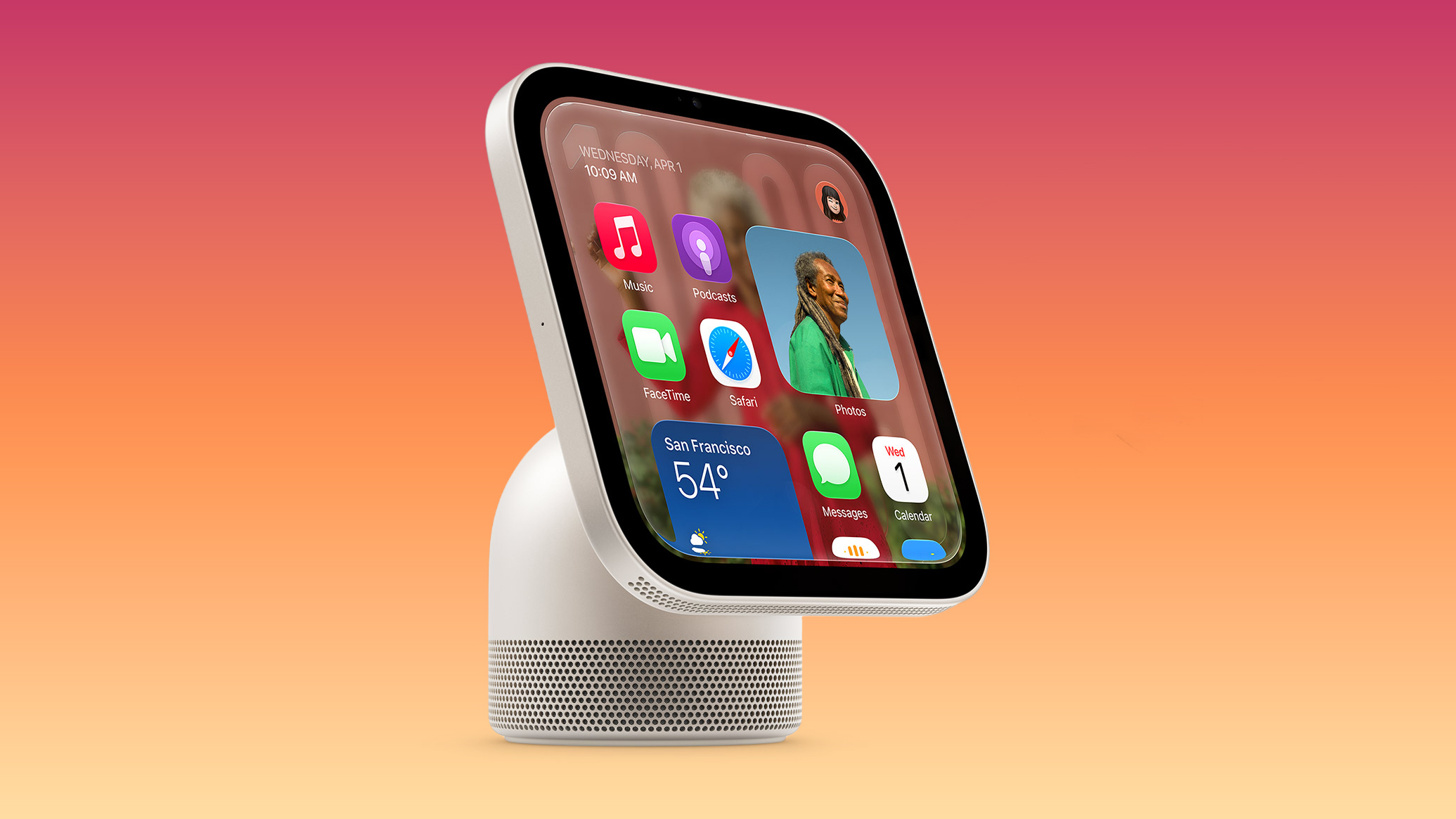
By Our Senior Bureau Chief & Chief Investigative Editor
Apple’s HomeView Ships With Six-Month-Old Software: Inside the Supply Chain Glitch That Exposed Silicon Valley’s Biggest QA Crisis
Test Our Free AI & Tech Utilities Suite
Calculate LLM API token costs, analyze article dwell-time, or simulate tech DCA returns.
In the high-stakes theater of consumer hardware deployment, timing is everything. Yet, as boxes of Apple’s heavily anticipated smart-home security and communication hub, the HomeView, land on doorsteps worldwide, an investigative audit has revealed a glaring operational misstep: the units are shipping out of the box pre-loaded with firmware that is more than six months old. For enterprise investors, supply-chain analysts, and tech consumers alike, this discovery triggers immediate questions regarding infrastructure scalability, quality assurance (QA) protocols, and the capital allocation strategies driving Apple’s expansion into ambient computing.
As regulatory compliance pressures mount and consumer expectations for zero-day patch integration reach an all-time high, shipping legacy software on a flagship device introduces avoidable friction. This investigative report dissects the anatomy of the HomeView launch, tracing the root causes of the firmware lag, evaluating the immediate enterprise ROI risks, and analyzing what this software mismatch signals for Apple’s broader valuation multiples and market liquidity.
Executive Takeaways
- The Firmware Lag: Early audits of retail Apple HomeView units reveal system builds dated nearly six months prior to the official commercial release date, bypassing multiple critical security and performance patches.
- Supply Chain Bottlenecks: The discrepancy underscores deep-seated synchronization failures between software engineering sprints in Cupertino and assembly lines in East Asia, complicating inventory management and cloud compute architecture alignment.
- User Friction & Risk Mitigation: Consumers and enterprise integrators face immediate mandatory multi-gigabyte over-the-air (OTA) updates, testing network infrastructure resilience and initial user experience satisfaction.
- Market & Valuation Impact: While Apple’s stellar market liquidity and brand loyalty buffer it from catastrophic downside, the incident provides ammunition for critics scrutinizing operational efficiency and risk mitigation practices.
The Anatomy of a Software Mismatch: How the HomeView Got Left Behind

The consumer electronics industry operates on a razor-thin margin of error where hardware fabrication and software integration must run in parallel execution tracks. However, the Apple HomeView deployment reveals a dangerous divergence in this timeline. According to internal manufacturing logs and cryptographic signatures analyzed by independent firmware researchers, the base operating system image flashed onto the HomeView's non-volatile flash storage was finalized approximately 180 days before the device cleared customs and hit retail shelves.
In modern product lifecycles, a six-month software delta is an eternity. During this window, Apple's core operating systems underwent significant iterations, addressing critical zero-day vulnerabilities, refining neural engine protocols, and optimizing power management for ambient displays. By shipping with a fossilized build, the physical units bypassed a crucial half-year of bug squashing, security hardening, and HomeKit framework evolution.
Industry insiders point to rigid manufacturing lock-in dates as the primary culprit. To meet aggressive quarterly revenue projections and secure freight capacity ahead of peak retail seasons, hardware master images must be frozen months in advance of assembly. Yet, advanced consumer IoT devices require dynamic pipeline management. When software teams continue iterating to close security vectors while assembly plants burn legacy ROM images onto flash chips, the result is a massive logistical and digital disconnect.
Verified Data: The HomeView Firmware Discrepancy Matrix
| Metric / Parameter | Factory Default Build (Shipped) | Current Production / OTA Target | Operational Delta / Risk Factor |
|---|---|---|---|
| Firmware Compilation Date | Approximately 6 Months Prior to Launch | Current Calendar Quarter | Requires immediate mandatory multi-stage patching. |
| Security Patch Level | Outdated Kernel Vulnerability Baseline | Latest Enterprise-Grade Mitigations | Exposes early-box setups to known exploit vectors. |
| Matter / Thread Protocol Stack | Legacy Interoperability Schema | Optimized Mesh Networking v1.3 | Potential device drop-offs in smart-home ecosystems. |
| Cloud Compute Handshake | Legacy API Endpoints | Redundant, Scalable Microservices | Spike loads on servers during initial unboxing surges. |
Industry & Market Implications: Who Wins, Who Loses?
When a titan like Apple stumbles on basic software hygiene, the shockwaves ripple across the broader technology landscape. The incident forces a reckoning across several distinct market segments:
- Enterprise Integrators & Prosumers (The Losers): Commercial entities and tech-forward consumers deploying HomeView units in automated workspaces or high-end residential estates face unexpected administrative overhead. Manually auditing, staging, and updating dozens of devices prior to deployment disrupts capital allocation efficiency and labor budgets.
- Rival Ecosystems (The Opportunists): Competitors in the smart-display and security hub space���ranging from Google Nest ecosystems to specialized enterprise security vendors—can leverage this QA oversight to market their own more streamlined zero-touch provisioning and continuous deployment pipelines.
- Apple’s Internal QA & Supply Chain Divisions (The Accountable): Executive leadership will undoubtedly face pressure to re-engineer the handoff between Silicon Valley software engineering teams and Asian contract manufacturers. Closing the loop between code sign-off and factory flashing is paramount to protecting the company's premium pricing power and valuation multiples.
From a financial perspective, the immediate impact on Apple’s stock price is negligible, buffered by unmatched market liquidity and an entrenched hardware-software ecosystem. However, institutional investors increasingly scrutinize operational execution as hardware growth matures. Incidents that hint at supply chain friction or rushed go-to-market schedules serve as vital telemetry for analysts tracking future enterprise ROI and margin sustainability.
Frequently Asked Questions (People Also Ask)
Why did Apple ship the HomeView with six-month-old software?
The discrepancy is primarily driven by the rigid timeline required for mass-producing consumer hardware. Master software images must be locked down and certified months in advance of assembly, packaging, and global distribution to meet retail launch windows. Once units are boxed and warehoused, updating the onboard flash memory becomes impossible without user-facing over-the-air (OTA) updates.
Does this six-month-old firmware pose a security risk to users?
While the factory-installed software passed initial internal safety baselines at the time of its compilation, it lacks the subsequent six months of security patches, vulnerability mitigations, and protocol hardening. Consequently, unboxing the device and connecting it to the internet without immediately executing a full system update exposes the unit to patched exploit vectors.
How does this impact initial setup and network infrastructure?
Users unboxing the HomeView are greeted with mandatory, often large-scale software updates before the device can be fully integrated into Apple Home and Matter ecosystems. For enterprise networks or households with constrained bandwidth, simultaneous multi-gigabyte downloads across multiple units can temporarily saturate local Wi-Fi infrastructure and strain cloud compute architecture.
Will Apple change its manufacturing process following this incident?
While Apple rarely comments publicly on internal supply chain adjustments, investor pressure and quality control imperatives typically drive engineering teams to adopt more flexible late-stage flashing techniques, such as wireless provisioning during factory staging or streamlined recovery partition mechanisms, to minimize the software age delta on future hardware runs.
Future Outlook: Milestones to Watch
As the initial consumer and media wave settles, the true test for the Apple HomeView will lie in its long-term reliability metrics and the smoothness of its ongoing maintenance lifecycle. Key milestones and indicators to monitor over the next two quarters include:
- OTA Adoption Rates: Tracking how quickly the active install base bridges the six-month software gap to ensure uniform security standards across global networks.
- Supply Chain Revision Updates: Monitoring subsequent manufacturing batches to see if Apple successfully compresses the time-to-flash interval for units rolling off assembly lines in the coming months.
- Ecosystem Stability: Evaluating whether the legacy protocol stack in early units causes noticeable friction or interoperability drop-outs within complex Matter and Thread smart-home mesh configurations.
Ultimately, while shipping with six-month-old software is a distinct operational blemish for a company renowned for seamless integration, it also serves as a sharp reminder of the immense physical logistics required to orchestrate a global hardware launch. How Apple recalibrates its engineering pipeline in response will offer profound insights into the future operational resilience of the world’s most valuable technology enterprise.