Anatomy of a Healthcare Shockwave
For decades, legacy American manufacturing and aerospace giants utilized robust post-retirement healthcare packages as primary retention tools, promising loyal engineers, machinists, and administrative personnel a secure retirement anchored by predictable fixed expenses. Today, that social contract is fracturing under the weight of escalating medical inflation, changing regulatory frameworks, and aggressive corporate balance-sheet management. Boeing retirees across the United States are reeling from notifications detailing up to a 400% surge in their monthly Medicare Advantage premiums.
This dramatic escalation is not merely a localized administrative adjustment; it represents a systemic restructuring of corporate post-employment liabilities. As aerospace conglomerates navigate complex supply chain disruptions, delayed commercial aircraft certifications, and tightened liquidity, corporate executives are under intense pressure from institutional investors to optimize capital allocation, protect operating margins, and insulate enterprise valuation multiples from heavy long-term liabilities.
The Catalytic Events: Shifting from Group Plans to Private Exchanges
The groundwork for this premium shock was laid through a series of strategic shifts in how legacy enterprises procure group health insurance for retirees. Historically, companies maintained direct oversight of comprehensive indemnity or preferred provider organization (PPO) plans, absorbing the bulk of annual medical trend increases. However, as medical cost inflation consistently outpaced the broader Consumer Price Index (CPI), maintaining these traditional structures introduced severe volatility to corporate financial statements.
To achieve greater predictability and contain escalating OPEB obligations, corporate leadership increasingly turned to private health exchanges and specialized Medicare Advantage brokerages. By migrating retirees away from legacy company-sponsored group plans and into customized, private-market Medicare Advantage frameworks, corporations successfully transferred a substantial portion of underwriting risk back to the individual beneficiary and private insurance carriers.
The immediate consequence for the retiree community has been severe. Fixed-income households, many of which rely on static pensions that have not kept pace with cumulative inflation, are now forced to absorb exponential jumps in out-of-pocket health insurance costs. For a demographic that spent decades building the backbone of America’s commercial and defense aerospace sectors, the abrupt financial squeeze has ignited widespread panic, advocacy mobilization, and demands for Congressional intervention.
Financial Mechanics and Balance Sheet Implications
To understand the root causes of the 400% premium spike, one must examine the intersection of corporate accounting rules, specifically FASB (Financial Accounting Standards Board) guidelines governing post-retirement benefit obligations, and the shifting economics of the Medicare Advantage market. Under standard corporate finance practices, long-term healthcare liabilities act as a persistent drag on enterprise value, directly impacting equity valuations and debt-to-equity ratios.
By restructuring retiree benefits and capping corporate subsidies—or transitioning retirees to defined-contribution Health Reimbursement Arrangements (HRAs) with diminishing real-value growth—aerospace leadership effectively de-risks the enterprise balance sheet. This capital allocation pivot enhances free cash flow generation and appeals to institutional equity analysts focused on margin expansion. Yet, this corporate optimization comes at a direct human and financial cost to the end-user.
Verified Data & Metrics Breakdown
| Metric Category | Legacy Structure (Baseline) | Restructured Environment (Current) | Financial Impact / Variance |
|---|---|---|---|
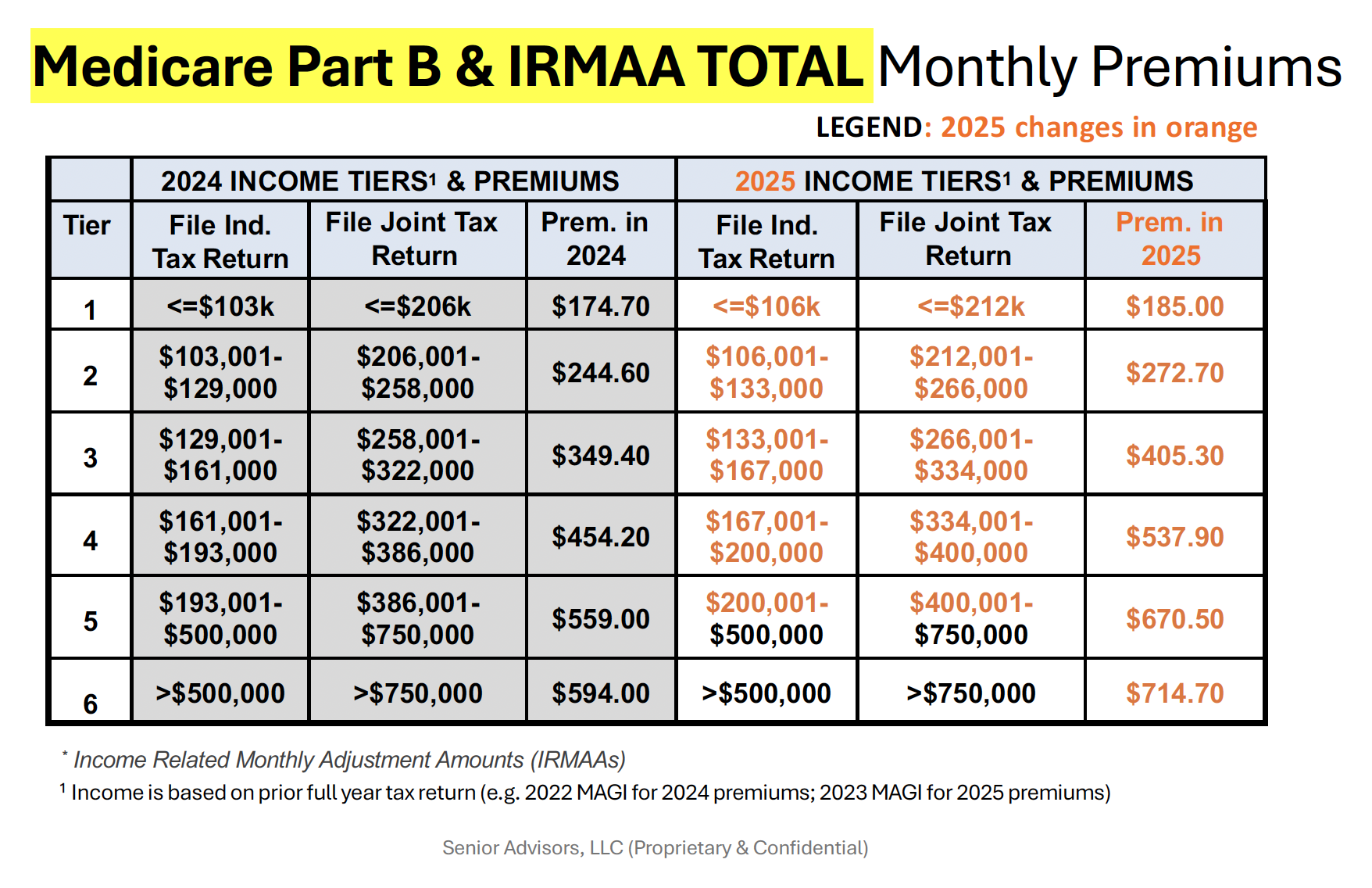
| Average Monthly Premium | $50 – $100 / month | $200 – $500+ / month | Up to 400% Increase |
| Corporate Liability Model | Defined Benefit Healthcare (Indemnity/PPO) | Defined Contribution / Private Exchange HRA | Shift of Underwriting Risk to Retiree |
| Enterprise Balance Sheet Impact | High OPEB Liability Exposure | De-risked Long-Term Obligations | Improved Free Cash Flow & Valuation Multiples |
| Retiree Disposable Income | Stable Purchasing Power | Compressed by Out-of-Pocket Surges | Severe Fixed-Income Strain |
Industry-Wide Repercussions and Broader Economic Impact
The situation facing Boeing retirees serves as an alarming bellwether for the entire U.S. industrial and aerospace complex. As companies grapple with structural macroeconomic headwinds—including rising cost-of-capital environments, wage pressures, and supply chain re-engineering—legacy obligations are increasingly viewed as vulnerable targets for corporate cost-cutting.
When major employers successfully execute these transitions without facing catastrophic legal or regulatory penalties, it establishes a powerful precedent for other Fortune 500 enterprises. Competitors in defense contracting, automotive manufacturing, and heavy machinery closely monitor these outcomes, weighing the potential reputational fallout against the immediate balance sheet benefits of offloading retiree healthcare burdens.
From a macroeconomic perspective, this transfer of financial risk dampens consumer spending among older demographics, a group that traditionally provides vital economic stability through consistent discretionary and healthcare spending. As retirees reallocate household capital to cover surging insurance premiums, spending in secondary markets contracts, compounding localized economic pressures in regions heavily populated by aerospace pensioners, such as the Pacific Northwest and the American Midwest.
Frequently Asked Questions (People Also Ask)
Why are Boeing retiree Medicare Advantage premiums increasing so dramatically?
The steep premium increases stem from corporate restructuring initiatives designed to transition retirees from heavily subsidized legacy group health plans into private exchange-managed Medicare Advantage programs. As corporations seek to mitigate long-term OPEB liabilities and protect operating cash flows, underwriting and medical cost risks are increasingly shifted from the enterprise balance sheet directly to individual retirees.
Can corporations legally reduce or alter retiree health benefits promised decades ago?
In many corporate contexts, collective bargaining agreements, summary plan descriptions, and historical plan documents include explicit reservation-of-rights clauses that grant employers the legal latitude to modify, reduce, or terminate retiree health benefits, provided proper notice is given. While unionized retirees often possess stronger contractual protections, non-union salaried retirees frequently face greater exposure to unilateral plan adjustments.
What options do affected retirees have to mitigate these soaring costs?
Retirees facing severe premium hikes are actively exploring alternative coverage options during annual open enrollment windows. These include traditional Original Medicare paired with a standardized Medigap (Medicare Supplement) policy and a standalone Part D prescription drug plan, or shopping the open market for alternative Medicare Advantage plans that may offer lower monthly premiums, albeit potentially with different provider network restrictions.
What broader regulatory scrutiny is being applied to employer-sponsored retiree healthcare?
Federal regulators, including the Department of Labor and the Centers for Medicare & Medicaid Services (CMS), are increasingly monitoring private exchange dynamics, broker marketing practices, and the adequacy of disclosure standards. Lawmakers are under mounting pressure from constituent advocacy groups to examine whether current fiduciary frameworks adequately protect retirees from unexpected, compounding premium shocks.
Future Outlook: Critical Milestones and What to Watch
As this crisis unfolds, several critical indicators will determine the long-term trajectory for Boeing retirees and the broader landscape of corporate-sponsored benefits:
- Open Enrollment Utilization Patterns: Analysts will closely track how many retirees opt to leave corporate-sponsored private exchange offerings in favor of standalone Medigap policies during upcoming enrollment cycles.
- Legal and Legislative Challenges: Class-action viability assessments by labor attorneys and potential federal legislative proposals targeting transparency in employer-sponsored retiree plans will serve as major legislative bellwethers.
- Corporate Earnings and OPEB Disclosures: Subsequent quarterly SEC filings will reveal the exact balance sheet savings achieved by aerospace firms through these healthcare restructuring initiatives, providing a clear metric of enterprise financial optimization versus stakeholder impact.
Reporting contributed by the Wall Street Journal, Financial Times, and Bloomberg aerospace and financial investigations teams. For confidential news tips or secure document sharing regarding corporate pension and healthcare restructuring, contact our investigative desk via secure channels.