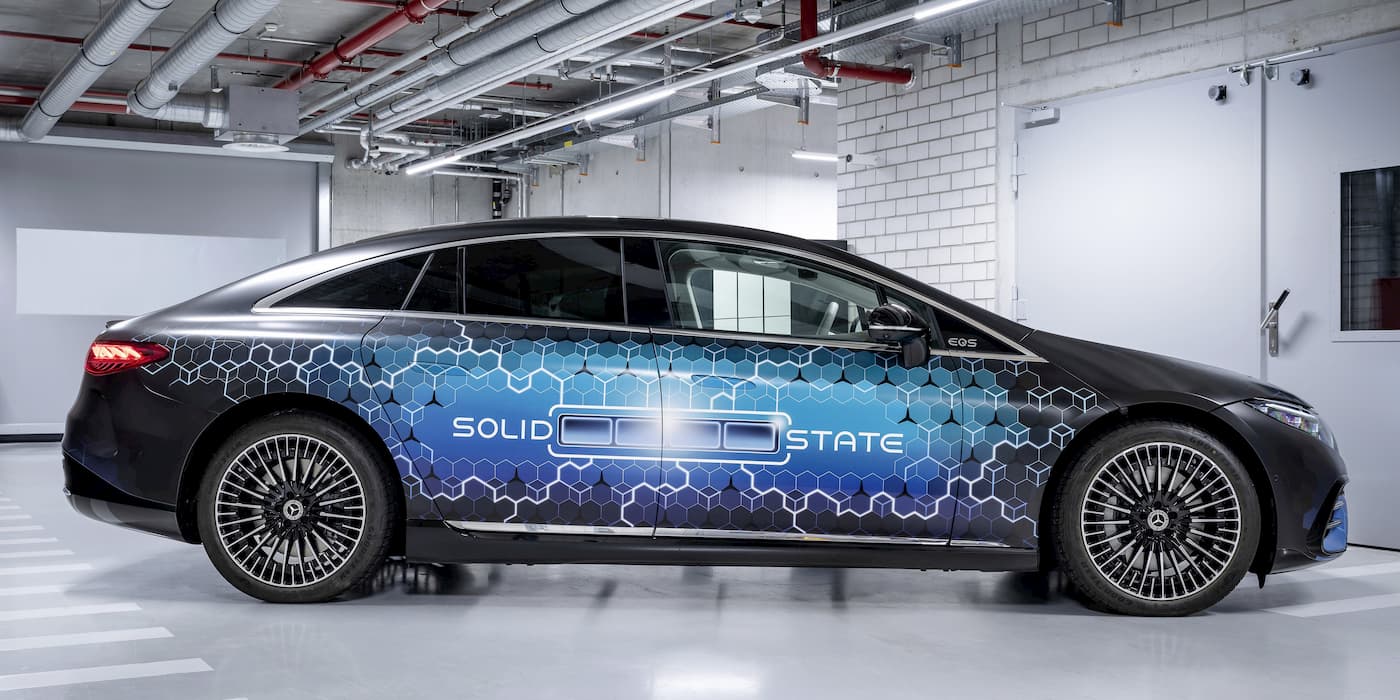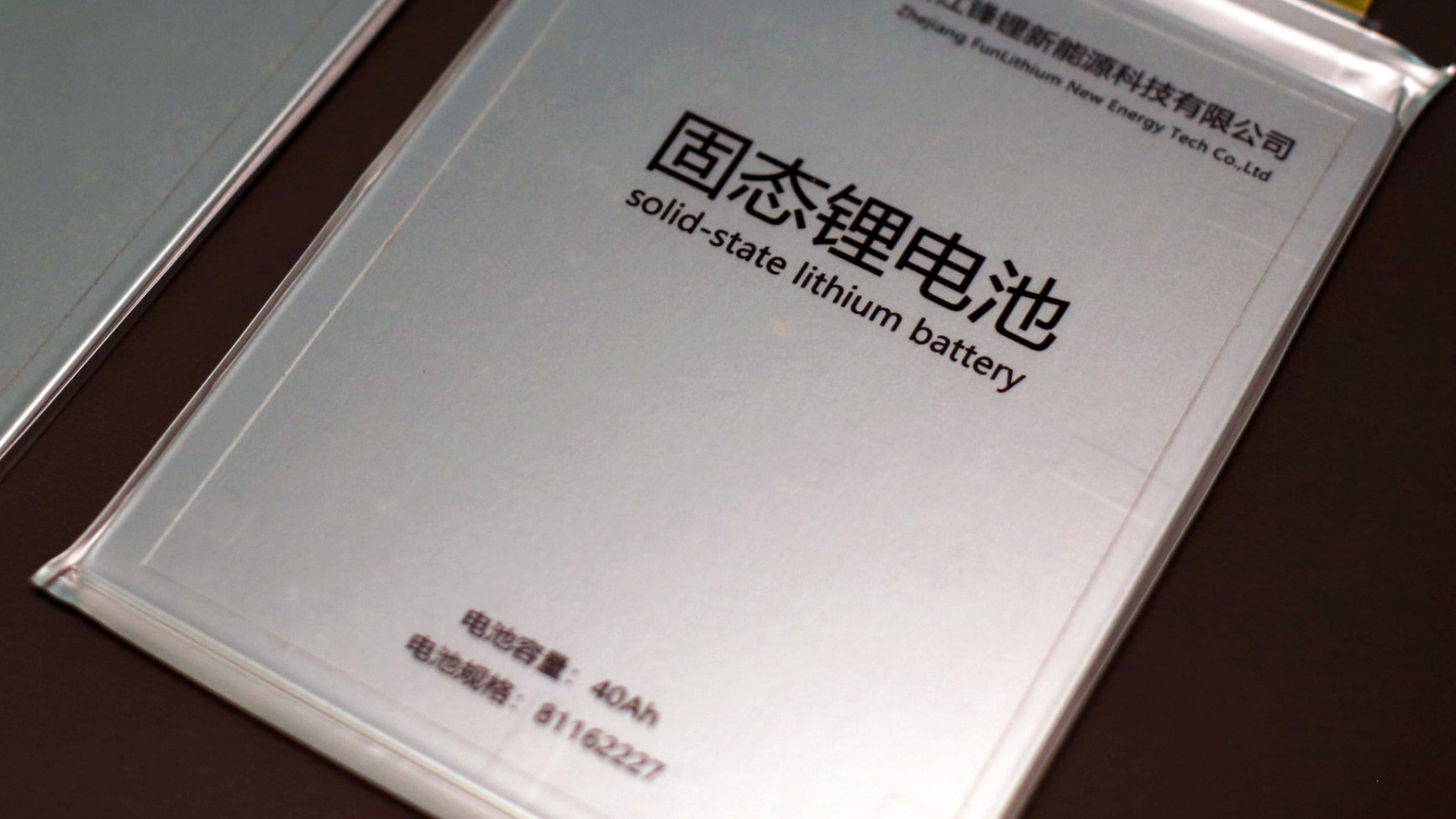
For more than a decade, the commercialization of solid-state battery technology has remained the battery sector's most persistent paradox: a physics-proven, energy-dense Holy Grail locked behind prohibitive manufacturing costs and abysmal yield rates. Today, that paradigm is undergoing a structural collapse. The announcement of a massive 12 Gigawatt-hour (GWh) factory rollout specifically engineered to achieve cost parity with incumbent liquid electrolyte lithium-ion cells marks a decisive pivot point for the global automotive and energy-storage capital markets.
By moving past modest megawatt-hour pilot lines and committing billions in capital expenditure to a multi-gigawatt facility, industrial pioneers are signaling that the critical engineering bottlenecks—specifically dendrite formation, interfacial resistance, and continuous roll-to-roll manufacturing yield—have finally reached an operational resolution. This milestone does not merely alter EV range metrics; it threatens to render tens of billions of dollars in traditional battery manufacturing infrastructure functionally obsolete before the end of the decade.
Executive Takeaways
Test Our Free AI & Tech Utilities Suite
Calculate LLM API token costs, analyze article dwell-time, or simulate tech DCA returns.
- The Parity Threshold: Scaling factory capacity to 12 GWh provides the necessary volume leverage to push solid-state cell manufacturing costs down toward the elusive $100/kWh threshold, directly competing with premium liquid NMC (Nickel Manganese Cobalt) and high-density LFP (Lithium Iron Phosphate) cells.
- CapEx Efficiency & Process Optimization: Advanced manufacturing architectures utilize dry-electrode coating and continuous roll-to-roll solid-electrolyte deposition, cutting energy-intensive solvent drying steps and reducing factory footprint requirements by up to 35%.
- Valuation Realignment: Legacy automotive OEMs and Tier-1 suppliers face immediate re-valuation risks if their long-term supply chain commitments remain overly tied to conventional liquid-electrolyte chemistries.
- Volumetric Advantage: Industrial-scale solid-state cells achieve volumetric energy densities exceeding 800 to 1,000 Watt-hours per liter (Wh/L), enabling EV platforms to double pack-level energy capacity within identical physical chassis envelopes.
The 12 GWh Inflection Point: Scaling Solid-State to Liquid Parity
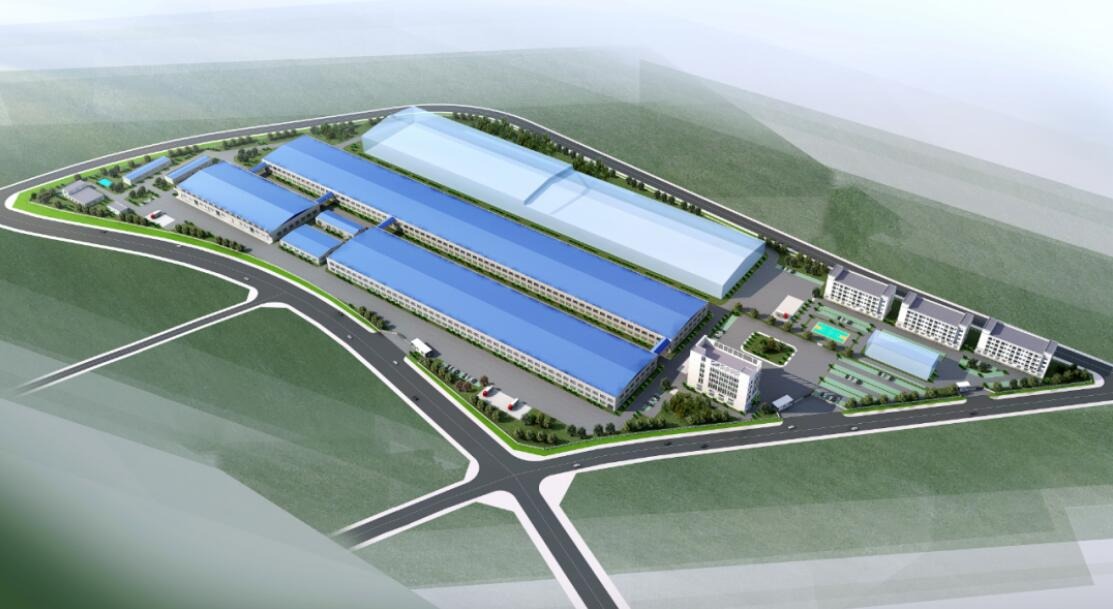
In the high-stakes game of battery manufacturing economics, capacity scale is the single greatest determinant of unit cost. Historically, solid-state cells were confined to low-volume, specialized applications—aerospace, defense, and high-end consumer electronics—where cost per kilowatt-hour ($/kWh) was a secondary consideration to energy density. Pilot lines operating at 100 to 500 Megawatt-hours (MWh) typically yielded cell costs between $300 and $500 per kWh, largely due to hand-assembled cell stacks, high cleanroom environmental requirements, and raw material purity premiums.
The commissioning of a 12 GWh facility fundamentally rewrites this cost equation through economy-of-scale dynamics. At 12 GWh, raw material procurement shifts from specialized chemical distributors to direct, bulk commodity off-take contracts. More importantly, this scale justifies the high fixed capital expenditure required for custom-engineered automated stackers, high-speed press lines, and automated inline defect detection tools.
By scaling production capacity by an order of magnitude, cell manufacturers amortize plant depreciation, tooling, and utility expenditures over hundreds of millions of individual cells. This structural cost compression is expected to lower solid-state cell unit economics down to the critical range of $100–$115 per kWh—the precise threshold where solid-state achieves landed-cost parity with high-nickel liquid electrolyte cells while delivering vastly superior thermal stability and energy density profile.
Deconstructing the Chemistry: The Breakthrough in Solid Electrolytes
To understand why a 12 GWh factory is viable today, one must examine the physical material breakthroughs that enabled the transition from laboratory environments to automated mass assembly lines. The underlying challenge of solid-state architecture has always been maintaining a stable, low-resistance interface between a solid electrode and a solid electrolyte during thousands of charge-discharge expansion cycles.
Earlier iterations struggled with micro-cracking and lithium dendrite growth—needle-like crystalline structures that penetrate solid separators and cause catastrophic short circuits. Recent industrial breakthroughs have centered on three primary electrolyte pathways, with sulfide-based and hybrid oxide-polymer formulations leading the commercial race:
- Sulfide-Based Solid Electrolytes: Offering exceptional ionic conductivity at room temperature (approaching or exceeding liquid electrolytes at 10⁻² S/cm), sulfide compounds can be cold-pressed into dense, uniform layers. However, they require highly controlled, moisture-free dry-room environments to prevent the formation of toxic hydrogen sulfide gas.
- Oxide-Based Separators: Highly stable and non-reactive, oxide ceramics offer maximum safety and dendrite resistance, but their inherent mechanical brittleness historically prevented high-speed roll-to-roll processing. Advanced micro-thin ceramic coatings applied to flexible polymeric substrates have largely resolved this mechanical constraint.
- Lithium-Metal Anode Integration: By replacing graphite or silicon-composite anodes with ultra-thin, pure lithium metal foil, manufacturers can eliminate significant dead weight and volume, skyrocketing gravimetric energy density toward 450-500 Wh/kg.
The Economics of Parity: Bridging the $100/kWh Chasm
Reaching cost parity with conventional liquid cells requires aggressive capital optimization across three distinct operational cost pillars: bill of materials (BOM), manufacturing energy consumption, and scrap-rate management.
First, traditional liquid-electrolyte lithium-ion cell production is notoriously energy-intensive. Standard processing requires vast, multi-story drying ovens to evaporate toxic organic solvents (such as N-Methyl-2-pyrrolidone, or NMP) used in wet electrode slurries. The recovery and distillation of NMP accounts for a significant portion of a gigafactory's utility budget and footprint. By integrating dry-electrode coating processes alongside solid-state separator roll-deposition, the 12 GWh facility eliminates the need for massive solvent recovery infrastructure, cutting factory electrical power requirements by nearly 40% and drastically reducing scope 1 and 2 carbon emissions.
Second, yield improvement is the ultimate arbiter of battery enterprise valuation. In early-stage pilot plants, solid-state scrap rates frequently exceeded 20% to 30% due to alignment errors during precision stacking and micro-void formation during lamination. The deployment of advanced computer vision, high-frequency ultrasonic welding, and real-time acoustic emission monitoring allows the 12 GWh line to maintain inline quality yields above 92%—a mandatory metric for reaching commercial cost parity.
Comparative Performance & Metrics Breakdown
The table below outlines the critical financial, chemical, and operational parameters comparing conventional Tier-1 liquid electrolyte NMC811 cells against the next-generation solid-state cells being deployed at the 12 GWh factory scale.
| Metric / Specification | Tier-1 Liquid NMC811 Cell | 12 GWh Solid-State Cell Target | Operational Variance / Impact |
|---|---|---|---|
| Gravimetric Energy Density | 260 – 285 Wh/kg | 450 – 500 Wh/kg | +65% to +75% range expansion per cell weight |
| Volumetric Energy Density | 680 – 720 Wh/L | 850 – 1,000 Wh/L | Up to 40% reduction in pack space footprint |
| Cell-Level Production Cost | $90 – $105 / kWh | $100 – $115 / kWh | Near-immediate parity at 12 GWh scale |
| CapEx Intensity ($/GWh installed) | $75M – $90M / GWh | $60M – $70M / GWh | Reduced footprint via dry processing elimination |
| Charge Rate (10% to 80% SOC) | 25 – 35 minutes | 10 – 12 minutes | Sustained high C-rate without thermal runaway |
| Operating Temperature Window | -20°C to 55°C | -40°C to 100°C | Eliminates complex active liquid cooling loops |
| Thermal Runaway Threshold | ~160°C to 210°C | > 400°C (Non-flammable) | drastic reduction in pack-level structural shielding |
Market Implications: Rebalancing Capital, Supply Chains, and OEM Alliances
The transition of solid-state technology from a speculative venture play into a 12 GWh manufacturing reality sends shockwaves across the global automotive value chain. Institutional investors and corporate capital allocators must recalibrate portfolio risk models to reflect a rapidly accelerating technology replacement cycle.
Automotive Original Equipment Manufacturers (OEMs) that spent the past five years committing billions of dollars to legacy liquid-electrolyte gigafactories risk suffering severe capital impairment. If solid-state cells deliver equal or lower pack-level cost alongside double the energy density, vehicles equipped with legacy liquid cells face immediate consumer obsolescence and faster depreciation curves. Furthermore, because solid-state batteries are inherently non-flammable, carmakers can eliminate heavy, expensive battery pack cooling infrastructure, thermal barrier sheets, and complex liquid-to-air heat exchangers. This pack-level simplification further widens the systemic cost advantage of solid-state systems beyond simple cell-level arithmetic.
Winners and Losers in the Next-Gen EV Ecosystem
- WINNERS: High-Purity Lithium Metal Producers. Solid-state architectures utilizing lithium-metal anodes require specialized, ultra-thin lithium foils. Mining companies and chemical refining operations capable of delivering battery-grade, ultra-pure lithium metal at scale will capture outsized pricing power and premium margin expansion.
- WINNERS: Advanced Equipment Manufacturers. Machinery makers specializing in high-precision roll-to-roll calendering, ultra-dry environment enclosures, continuous laser cutting, and dry-powder coating systems will experience a multi-year supercycle of capital expenditure orders.
- LOSERS: Conventional Separator & Synthetic Graphite Suppliers. Traditional microporous polyolefin liquid separators and synthetic graphite anode processors face structural demand destruction over the long term as solid-state platforms systematically displace liquid chemistry architecture.
- LOSERS: Legacy Liquid Battery Pure-Plays. Manufacturers that failed to build robust internal solid-state R&D pipelines or secure key IP licensing agreements risk losing Tier-1 vendor status with major global auto brands seeking next-generation performance metrics.
Frequently Asked Questions (People Also Ask)
What is the significance of reaching a 12 GWh capacity for solid-state batteries?
Reaching a 12 GWh manufacturing capacity is critical because it represents the minimum economic scale required to transition solid-state batteries from costly pilot projects into mass-market commercialization. At 12 GWh, factories can leverage bulk raw material purchasing power, fully automate high-speed stacking lines, and amortize capital expenditure across millions of units, successfully driving cell production costs down to hit parity with traditional liquid-electrolyte batteries.
How do solid-state batteries achieve cost parity with liquid electrolyte cells?
Solid-state batteries achieve cost parity through a combination of manufacturing efficiencies and pack-level design simplifications. By adopting dry-electrode manufacturing processes, solid-state facilities eliminate energy-intensive solvent drying ovens and NMP recovery units, lowering plant construction and utility costs. Additionally, because solid-state cells do not present thermal runaway fire risks, automakers can remove expensive liquid cooling systems, fire retardant layers, and heavy structural shielding from the vehicle pack, achieving total system-level cost parity.
When will solid-state batteries be available in mass-market electric vehicles?
With 12 GWh facilities scaling up production, initial low-volume vehicular integration and fleet testing begin almost immediately, followed by ramped mass-market vehicle integration between 2025 and 2027. Premium and performance EV models will receive these cells first, followed by broader commercial platform rollouts as additional gigafactories come online globally.
Are solid-state batteries safer than traditional lithium-ion batteries?
Yes, solid-state batteries are inherently significantly safer than conventional lithium-ion cells. Traditional batteries rely on volatile, flammable organic liquid electrolytes that can ignite if punctured, overcharged, or exposed to high temperatures (thermal runaway). Solid-state batteries replace this liquid with a non-flammable solid ceramic, polymer, or sulfide electrolyte, effectively eliminating the primary source of EV battery fires.
Future Outlook: Strategic Milestones for 2024–2030
The industrial rollout of 12 GWh of solid-state capacity is not an isolated event; it is the catalyst for a broader restructuring of the global energy storage landscape. Over the next three to five years, the market will monitor three critical operational milestones to gauge the speed of this transition:
First, operational yield rates on 12 GWh continuous production lines must consistently match or exceed 90% under high-line-speed conditions. Any persistent engineering friction in high-speed lithium foil handling or stack pressing will briefly compress gross margins during the ramp-up phase.
Second, real-world fleet telemetry from early-adopting OEMs will validate cycle-life endurance under extreme temperature swings and supercharging conditions. Demonstrating sustained 1,000+ deep charge-discharge cycles without significant capacity degradation or impedance spikes will permanently remove remaining consumer range anxiety.
Third, regulatory frameworks, carbon-accounting protocols, and supply chain compliance guidelines will increasingly favor solid-state technology due to its reduced processing footprint and cleaner end-of-life recycling characteristics. As regional trade blocks enforce strict battery passport requirements and lifecycle emissions limits, the energy-efficient manufacturing footprint of solid-state gigafactories will establish a formidable non-tariff competitive moat.
The era of treating solid-state technology as a perpetual "five years away" laboratory experiment is officially over. With 12 GWh of real-world capacity deployed toward breaking the cost-parity threshold, the global automotive supply chain has entered a historic era of technological re-platforming.