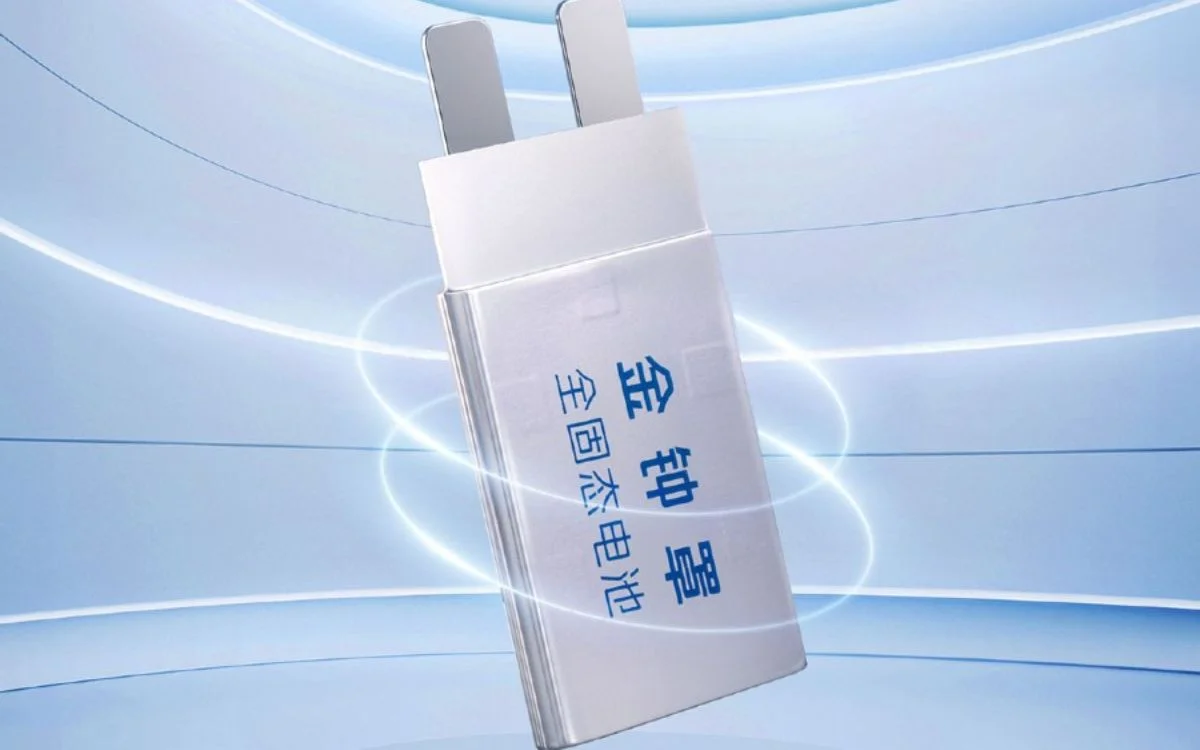
BEIJING & DETROIT — The holy grail of electric vehicle engineering has officially transitioned from laboratory theory to commercial reality. According to comprehensive industry reports from Electrek, the commercial rollout of advanced solid-state EV batteries is officially underway in China. The breakthrough technology is shattering long-standing range limitations, promising up to nearly 1,000 miles of driving range on a single charge and fundamentally altering the global automotive competitive landscape.
For over a decade, traditional lithium-ion batteries with liquid electrolytes have imposed invisible boundaries on electric mobility. Range anxiety, prolonged charging times, and thermal management concerns have remained persistent friction points for mainstream consumers. Now, China’s aggressive manufacturing scale and heavy capital investment in solid-state chemistry have leapfrogged Western competitors, sparking urgent strategic reviews inside boardrooms from Detroit to Stuttgart.
The Anatomy of the Breakthrough: What Is a Solid-State Battery?
To understand why this rollout is triggering shockwaves across the global economy, one must look inside the cell. Traditional EV batteries utilize liquid or polymer-gel electrolytes to facilitate the movement of lithium ions between the anode and cathode. While effective, these liquid solutions are susceptible to dendrite formation—microscopic metallic fibers that can cause short circuits, thermal runaway, and fires. Furthermore, liquid cells hit a fundamental ceiling regarding energy density.
Solid-state batteries replace the volatile liquid electrolyte with a solid material, typically ceramic, glass, or solid polymers. This architectural shift yields three massive advantages:
- Exponentially Higher Energy Density: Solid-state cells pack significantly more energy into a fraction of the physical space and weight, enabling massive battery packs without compromising cargo room.
- Radically Enhanced Safety: The elimination of flammable liquid electrolytes virtually neutralizes the risk of battery fires, even under extreme thermal stress or physical puncture.
- Ultra-Fast Charging Capabilities: Solid components allow for faster ion transfer and higher voltage tolerances, drastically cutting down replenishment times at DC fast-charging stations.
Market Impact and Geopolitical Pressures
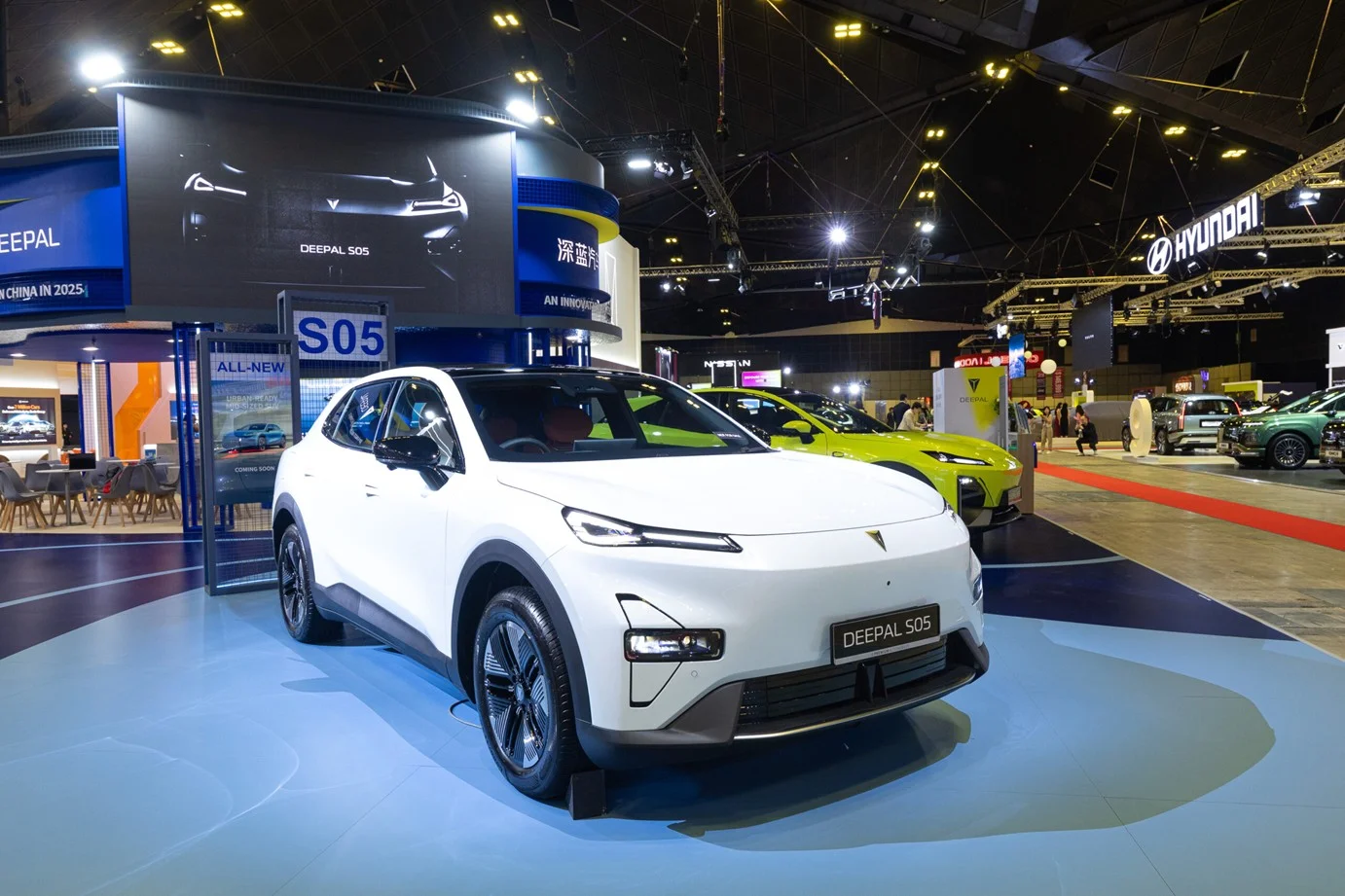
The arrival of solid-state EVs on Chinese roads is not merely a technical milestone; it is a major geopolitical flexing of industrial muscle. For years, legacy automakers in the United States, Europe, Japan, and South Korea have projected that viable solid-state commercialization was at least five to seven years away. Chinese battery giants and EV manufacturers have upended that timeline, moving from pilot production lines to commercial consumer delivery with astonishing speed.
This deployment places intense pressure on Western regulators and automotive executives. US and European automakers, many of which are currently pumping the brakes on aggressive EV transition targets due to softening consumer demand and high interest rates, now face a devastating reality check. If Chinese manufacturers can deliver vehicles capable of driving nearly 1,000 miles between charges while undercutting legacy pricing, consumer preference could shift decisively on a global scale.
| Battery Technology | Electrolyte Type | Approx. Max Range | Safety Profile | Commercial Status |
|---|---|---|---|---|
| Traditional Li-Ion | Liquid / Gel | 300 – 450 Miles | Moderate (Risk of Thermal Runaway) | Mass Market (Widespread) |
| Advanced Solid-State | Solid Ceramic / Polymer | Up to 1,000 Miles | High (Non-flammable electrolyte) | Early Commercial Rollout (China) |
What This Means for Consumers and the Global Grid
For the everyday driver, the realization of a 1,000-mile EV range changes the entire ownership equation. Road trips no longer require meticulous route planning around charging infrastructure. A vehicle capable of traversing entire countries on a single charge approaches the operational flexibility of internal combustion engines while operating with zero tailpipe emissions.
However, analysts warn that scaling this technology will not happen overnight. Supply chains for solid electrolytes, specialized separators, and high-purity lithium anodes must expand dramatically to meet global demand. Moreover, electrical grids will face unprecedented localized power draws if millions of vehicles begin utilizing ultra-fast charging to replenish massive solid-state packs.
Frequently Asked Questions
When will solid-state EV batteries be available outside of China?
While the initial commercial rollout is happening in China, global automakers and joint ventures are aggressively accelerating their own solid-state timelines. Most international legacy brands and battery suppliers anticipate limited commercial availability in Western markets by the late 2020s to early 2030s.
Will solid-state batteries make current EVs obsolete overnight?
No. While solid-state technology represents the future of energy storage, traditional lithium-ion and lithium-iron-phosphate (LFP) batteries will remain dominant in budget-friendly and mid-tier vehicles for years due to lower initial production costs and established manufacturing scale.
The Road Ahead
As the first wave of solid-state-equipped vehicles hits public asphalt in China, the global automotive industry has entered a high-stakes race for technological survival. The narrative of electric vehicle adoption has officially graduated from early-adopter compromises to uncompromised performance. For legacy automakers, the message from Beijing is unmistakable: adapt to the solid-state era immediately, or risk being left permanently in the rearview mirror.