SHANGHAI and NEW DELHI — The holy grail of the electric vehicle (EV) revolution has transitioned from laboratory blueprints to the asphalt. In a series of sweeping market rollouts across China, automakers and battery manufacturing giants are deploying the world’s first commercial-scale solid-state and semi-solid-state EV batteries. Promising single-charge ranges of nearly 1,000 miles (approximately 1,500 kilometers), this technological leap threatens to render legacy lithium-ion battery packs obsolete and dramatically widen the competitive chasm between Chinese manufacturers and their Western rivals.
For years, Detroit, Tokyo, and Munich treated solid-state batteries as a "horizon technology"—a capital-intensive milestone projected for the mid-2030s. However, aggressive state-backed capital allocation, coupled with rapid-iteration pilot programs in China’s domestic market, has accelerated this timeline by nearly a decade. The implications for global automotive supply chains, mining equities, and energy transition policies are profound.
The Death of Range Anxiety: Inside the Breakthrough
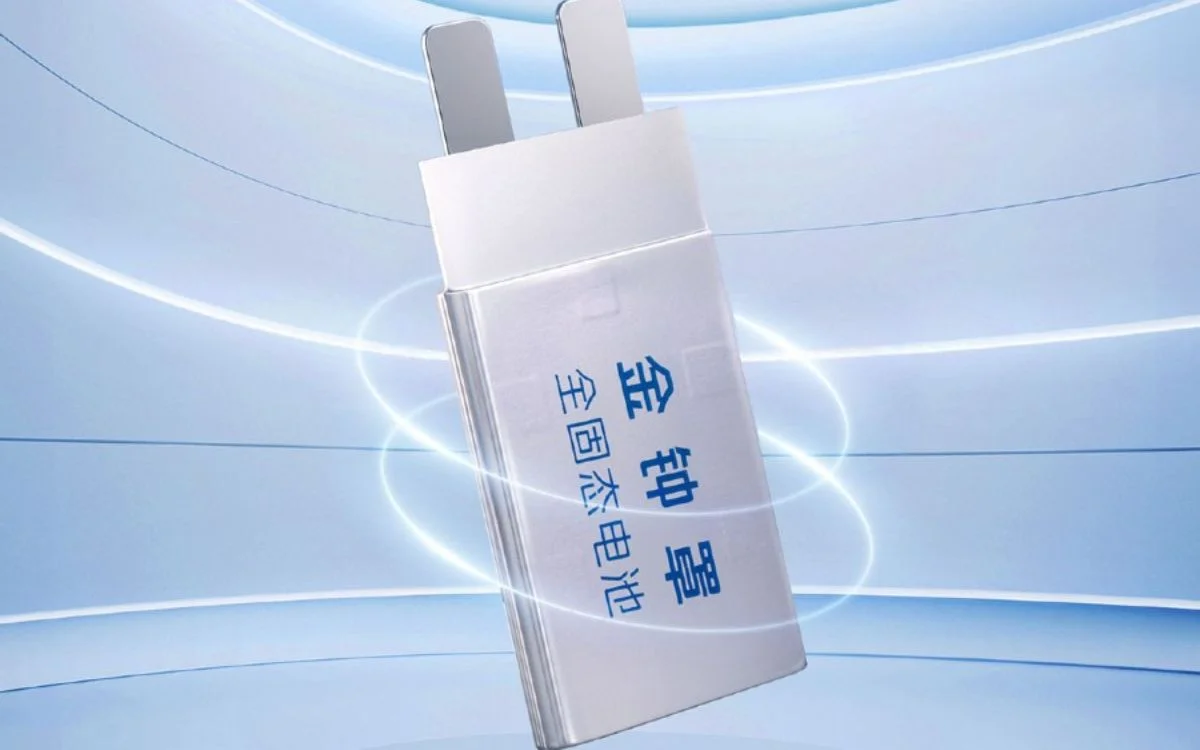
According to industry intelligence first detailed by Electrek, several Chinese EV disruptors have begun delivering vehicles equipped with ultra-high-density solid-state packs. Unlike traditional lithium-ion batteries, which utilize liquid electrolytes to transfer ions between the anode and cathode, solid-state batteries leverage solid materials. This shift eliminates the risk of thermal runaway (fires), slashes charging times, and dramatically elevates energy density.
At the center of this commercial charge is SAIC Motor’s premium EV brand, IM Motors, which has commenced deliveries of its L6 sedan. Equipped with a "Lightyear" solid-state battery developed in partnership with Qingtao Energy, the vehicle boasts an energy density exceeding 400 Wh/kg. On China's CLTC test cycle, the sedan achieves over 1,000 kilometers (620 miles) of range. Meanwhile, rival brand NIO has fully integrated its 150 kWh semi-solid-state battery pack—developed alongside Beijing WeLion New Energy Technology—into its battery-swapping network, enabling older EV models to achieve real-world ranges of up to 930 miles on a single charge.
"We are no longer discussing prototypes or laboratory breakthroughs," says Dr. Chen Jun, a senior automotive analyst based in Shanghai. "This is a commercial deployment phase. The cost curves are falling faster than anyone in the West anticipated, driven by massive manufacturing scale."
Geopolitical and Market Shockwaves
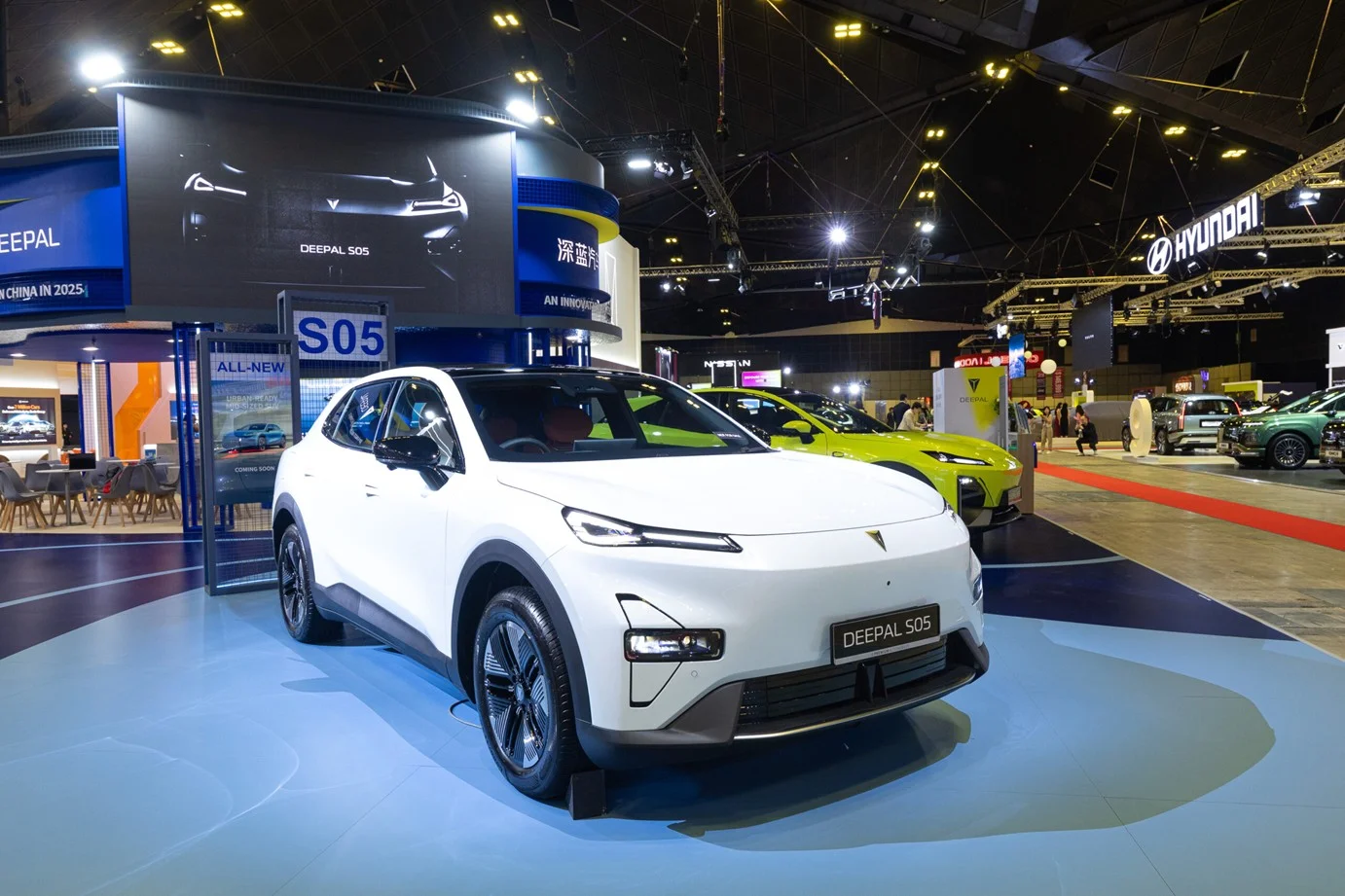
The timing of China's solid-state rollout presents a severe strategic challenge to incumbent Western automakers. Companies like Ford, General Motors, and Volkswagen are currently recalibrating their EV investment strategies, slowed by sluggish consumer adoption, high interest rates, and stubborn range anxiety in North American and European markets.
While the United States and the European Union have erected steep tariff barriers—imposing tariffs upwards of 100% on Chinese-made electric vehicles—industry analysts warn that trade protectionism cannot fully offset a fundamental technological deficit. If Chinese automakers can offer vehicles that drive twice as far, charge in under ten minutes, and cost less to manufacture, the global market outside of North America and Europe will naturally tilt toward Beijing.
Key Takeaways for Global Markets:
- The End of the Range Debate: A 1,000-mile range effectively neutralizes the primary psychological barrier to EV adoption, placing immense pressure on combustion-engine legacy platforms.
- Western Timelines in Jeopardy: Toyota, long considered the Western-aligned leader in solid-state R&D, has targeted small-scale commercialization for 2027–2028. China's active 2026 rollout represents a multi-year lead.
- Raw Material Re-alignment: Solid-state chemistries alter the demand profile for nickel, cobalt, and manganese, potentially shifting mining capital toward lithium-metal anode supply chains.
Comparing the Battery Eras: A Technical Overview
To understand the magnitude of this transition, it is helpful to contrast the performance metrics of the newly deployed solid-state technology against the legacy liquid lithium-ion systems that currently power the vast majority of global EVs.
| Battery Metric | Legacy Liquid Lithium-Ion (2020–2025) | Chinese Semi-Solid/Solid-State (2026) | Target All-Solid-State (2028–2030) |
|---|---|---|---|
| Energy Density | 240 – 280 Wh/kg | 360 – 500 Wh/kg | 500+ Wh/kg |
| Average Vehicle Range | 250 – 380 miles | 600 – 930 miles | 1,000+ miles |
| 10% to 80% Charge Time | 20 – 40 minutes | 10 – 15 minutes | Under 8 minutes |
| Safety / Fire Risk | Moderate (Liquid Flammability) | Low (Highly Stable Solid/Gel) | Negligible (Non-flammable) |
The Road Ahead: Cost Scaling and Global Access
Despite the technological triumph, the immediate hurdle for Chinese producers remains manufacturing cost. Semi-solid-state batteries currently command a premium, making them standard only on top-tier vehicle trims. NIO’s 150 kWh pack, for instance, originally cost almost as much as an entire ET5 sedan to manufacture, prompting the company to offer it initially via a battery-as-a-service (BaaS) subscription model rather than a direct purchase.
However, the rapid ramp-up of gigafactories specifically optimized for solid-state production is expected to drive down costs at an exponential rate. CATL, the world's largest battery maker, has recently pivoted its massive R&D budget toward solid-state technology, signaling that mass-market affordability is the next target on China’s horizon. For global legacy automakers, the message is clear: the transition is accelerating, and the window to bridge the technological gap is closing fast.
Frequently Asked Questions (FAQ)
1. What is the difference between a "semi-solid-state" and a "true" solid-state battery?
A semi-solid-state battery utilizes a gel or clay-like electrolyte alongside solid components, serving as a transitional technology that is easier to mass-produce using existing factory tooling. A true solid-state battery entirely eliminates liquid and gel components, using a completely solid ceramic, polymer, or glass electrolyte. True solid-state batteries offer the absolute highest energy densities and safety profiles but are more complex to manufacture at a low cost.
2. When will US and European consumers be able to buy EVs with 1,000-mile solid-state batteries?
Due to rising geopolitical tensions, high import tariffs, and national security restrictions on Chinese battery supply chains, these specific Chinese-made vehicles are unlikely to enter the US market in the near future. However, Western consumers can expect similar technologies by late 2027 or 2028, as domestic joint ventures and legacy manufacturers (such as Toyota, Volkswagen's PowerCo, and US startups like QuantumScape) race to localize their own solid-state production lines to remain competitive.