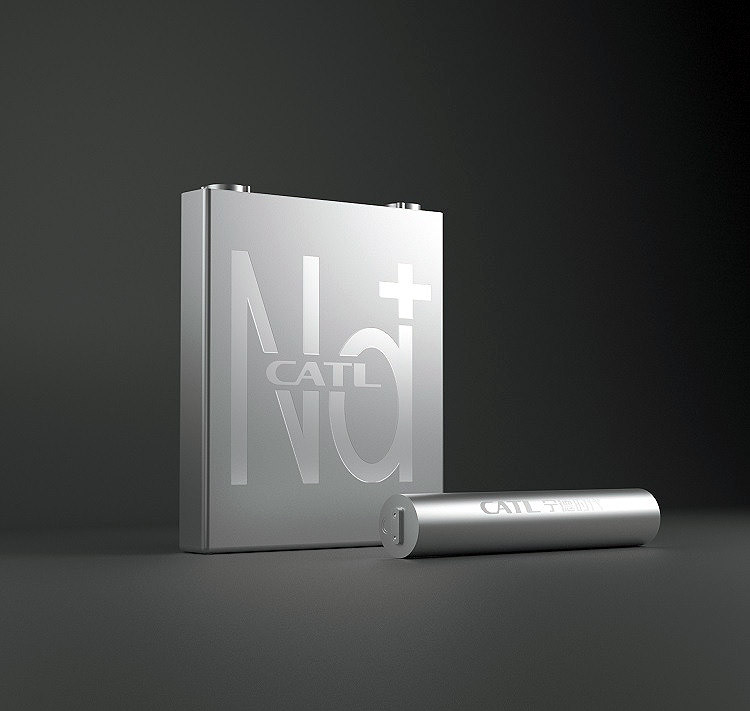
Executive Takeaways
- Breakthrough Energy Density: CATL’s second-generation sodium-ion battery achieves a remarkable 200 Wh/kg, closely challenging standard Lithium Iron Phosphate (LFP) chemistries.
- PHEV Market Integration: Contemporary scaling strategies position CATL's sodium-ion cells to capture substantial market share in the Plug-in Hybrid Electric Vehicle (PHEV) and entry-level EV segments.
- Lower Mass Production Costs: By eliminating dependence on expensive lithium carbonate, CATL dramatically mitigates supply chain risk and stabilizes input costs.
- Global Supply Chain Implications: The capital allocation shift toward sodium-ion manufacturing threatens traditional valuation multiples of pure-play lithium miners and forces structural adjustments across global EV infrastructure.
Contemporary global capital allocation within the clean energy sector is undergoing a profound structural re-evaluation following a landmark technological announcement from Contemporary Amperex Technology Co. Limited (CATL). As verified by industry intelligence and primary wire sources on March 20, 2025, the world's leading electric vehicle battery manufacturer has successfully advanced its second-generation sodium-ion battery architecture to an energy density threshold of 200 Wh/kg. This milestone effectively bridges the historical performance gap between sodium-based cells and conventional Lithium Iron Phosphate (LFP) chemistries, while unlocking unprecedented mass production cost advantages.
For institutional investors, supply chain executives, and regulatory compliance officers, this development represents more than a mere incremental laboratory upgrade. It is a tectonic shift in enterprise risk mitigation and infrastructure scalability. By neutralizing the raw material volatility that has historically plagued lithium-ion supply chains, CATL is reshaping the economic foundations of the global automotive industry. This investigative report breaks down the technological architecture, financial implications, and broader macroeconomic ripples of CATL’s latest battery breakthrough.
The Technological Leap: How CATL Crossed the 200 Wh/kg Threshold
Test Our Free AI & Tech Utilities Suite
Calculate LLM API token costs, analyze article dwell-time, or simulate tech DCA returns.
Historically, sodium-ion battery technology has been plagued by a fundamental compromise: while sodium is earth-abundant, remarkably cheap, and possesses superior cold-weather performance characteristics, its heavier atomic mass resulted in severely restricted energy density. First-generation commercial sodium-ion cells typically hovered between 140 to 160 Wh/kg, rendering them suitable only for microcars, energy storage systems (ESS), or short-range urban commuting vehicles.
CATL’s second-generation architecture shatters these previous performance ceilings. By re-engineering cathode material microstructures, optimizing anode carbon interfaces, and refining electrolyte formulations, engineers have pushed energy density to an impressive 200 Wh/kg. This performance metric places the new sodium-ion cells on direct competitive footing with standard LFP batteries, which have long dominated the mass-market EV sector due to their cost-efficiency relative to nickel-manganese-cobalt (NMC) alternatives.
Crucially, this technical leap does not sacrifice sodium's inherent operational advantages. The chemistry maintains exceptional low-temperature capacity retention—retaining upwards of 90% of its charge capacity even in sub-zero environments where traditional LFP and NMC batteries experience severe power throttling. Furthermore, thermal stability profiles exceed those of conventional lithium cells, significantly lowering the probability of catastrophic thermal runaway and reducing the complexity and cost of accompanying battery management systems (BMS).
Targeting the Lucrative PHEV and Mass-Market Segments

A critical dimension of CATL's commercial rollout strategy is its deliberate targeting of the Plug-in Hybrid Electric Vehicle (PHEV) market. While long-range battery electric vehicles (BEVs) demand the absolute highest energy density available—keeping NMC chemistry relevant for premium tiers—the mass-market volume resides in affordable BEVs and high-efficiency PHEVs.
PHEVs require smaller battery packs (typically ranging from 15 to 30 kWh) that endure frequent micro-cycling and high power-draw demands. CATL’s second-generation sodium-ion battery is ideally suited for this operational profile. By integrating sodium cells into hybrid architectures, automakers can drastically reduce the total Bill of Materials (BOM) cost per vehicle, driving enterprise ROI higher and enabling aggressive retail pricing strategies that stimulate consumer demand.
Industry analysts project that this technological deployment will accelerate the commoditization of entry-level electric mobility. As legacy original equipment manufacturers (OEMs) scramble to protect operating margins in an increasingly competitive global macroeconomic climate, the adoption of sodium-ion packs offers a vital lever for cost containment without compromising consumer-facing range expectations.
Verified Data & Specifications Breakdown
To contextualize the scale of CATL's engineering achievement, the following comparative matrix outlines key performance, chemical, and economic indicators across standard battery tiers as of Q1 2025:
| Battery Chemistry | Energy Density (Wh/kg) | Raw Material Cost Risk | Cold-Weather Performance | Primary Commercial Target |
|---|---|---|---|---|
| CATL 1st-Gen Sodium-Ion | 140 – 160 | Very Low (Abundant Sodium) | Exceptional (Sub-zero retention) | Microcars, Energy Storage Systems (ESS) |
| CATL 2nd-Gen Sodium-Ion (New) | ~200 | Very Low (Zero Lithium dependency) | Superior (Maintains high output) | PHEVs, Mass-Market BEVs |
| Standard LFP (Lithium Iron Phosphate) | 160 – 210 | Moderate (Exposed to Lithium pricing) | Moderate (Requires thermal management) | Standard Range BEVs, Commercial Fleets |
| NMC (Nickel Manganese Cobalt) | 250 – 300+ | High (Exposed to Lithium, Cobalt, Nickel) | Good | Long-Range BEVs, Performance Vehicles |
Industry & Market Implications: Winners, Losers, and Economic Shifts
The introduction of a 200 Wh/kg sodium-ion battery triggers immediate ripple effects across international commodity markets and automotive supply chains. Understanding the downstream consequences requires a granular analysis of market winners and losers:
- The Winners:
- CATL and Tier-1 Innovators: Cement their technological moat, securing dominant pricing power and long-term supply contracts with major global automakers.
- Automotive OEMs Facing Margin Compression: Gain a powerful instrument to lower vehicle production costs, protect operating cash flows, and compete aggressively in price-sensitive emerging markets.
- Sodium Chemical Suppliers: Witness a massive surge in industrial-grade sodium compound demand, translating into new revenue streams for specialty chemical producers.
- The Losers:
- Pure-Play Lithium Miners: Face structural downward pressure on long-term lithium carbonate and lithium hydroxide demand projections, prompting downward revisions in valuation multiples and capital expenditure budgets.
- High-Cost LFP Cell Producers: Must accelerate their own R&D pipelines or risk commoditization as sodium-ion alternatives erode their unique selling proposition of low-cost manufacturing.
From a macroeconomic perspective, this shift dampens the geopolitical vulnerabilities associated with lithium mining monopolies and complex cross-border mineral refining supply chains. Sodium is globally ubiquitous, meaning supply security risks are mitigated and geopolitical leverage points are fundamentally realigned.
Frequently Asked Questions (People Also Ask)
What is the energy density of CATL's second-generation sodium-ion battery?
CATL’s second-generation sodium-ion battery achieves an energy density of approximately 200 Wh/kg. This performance level successfully closes the performance gap with standard Lithium Iron Phosphate (LFP) cells, making sodium-ion technology viable for a much wider range of passenger vehicles.
How does sodium-ion pricing compare to traditional lithium-ion batteries?
Because sodium is an earth-abundant element that eliminates the need for expensive lithium carbonate, nickel, and cobalt, sodium-ion batteries offer significantly lower mass production costs. This insulates automakers from extreme commodity price volatility and reduces overall vehicle manufacturing expenses.
Are sodium-ion batteries safe for cold-weather driving?
Yes. Sodium-ion chemistries exhibit superior low-temperature performance compared to traditional lithium-ion and LFP cells. They retain a significantly higher percentage of their discharge capacity and power output in sub-zero weather, minimizing winter range loss for electric vehicle operators.
When will CATL's new sodium-ion batteries enter commercial production for vehicles?
Following technical validations formalized in early 2025, CATL is aggressively scaling production infrastructure to integrate these cells into plug-in hybrid electric vehicles (PHEVs) and mass-market electric vehicle platforms, with commercial rollout accelerating through the 2025–2026 manufacturing window.
Future Outlook: Strategic Milestones to Watch
As CATL transitions its 200 Wh/kg sodium-ion technology from advanced pilot lines to giga-factory mass production, market analysts and institutional investors must monitor several critical forward-looking indicators:
- OEM Adoption Announcements: Watch for tier-one automotive conglomerates formally updating their platform architectures to incorporate CATL sodium-ion packs, particularly within their next-generation PHEV lineups.
- Giga-Factory Capital Expenditure: Track how rapidly CATL and its joint-venture partners allocate capital toward dedicated sodium-ion production lines versus traditional lithium lines.
- Lifecycle Durability Metrics: Look for peer-reviewed field data and independent testing regarding cycle-life longevity under aggressive fast-charging protocols in commercial fleet operations.
Ultimately, CATL’s achievement marks a defining turning point for the energy transition. By successfully decoupling affordable electric mobility from lithium price volatility, the industry has crossed a vital threshold toward sustainable, scalable, and economically resilient mass electrification.