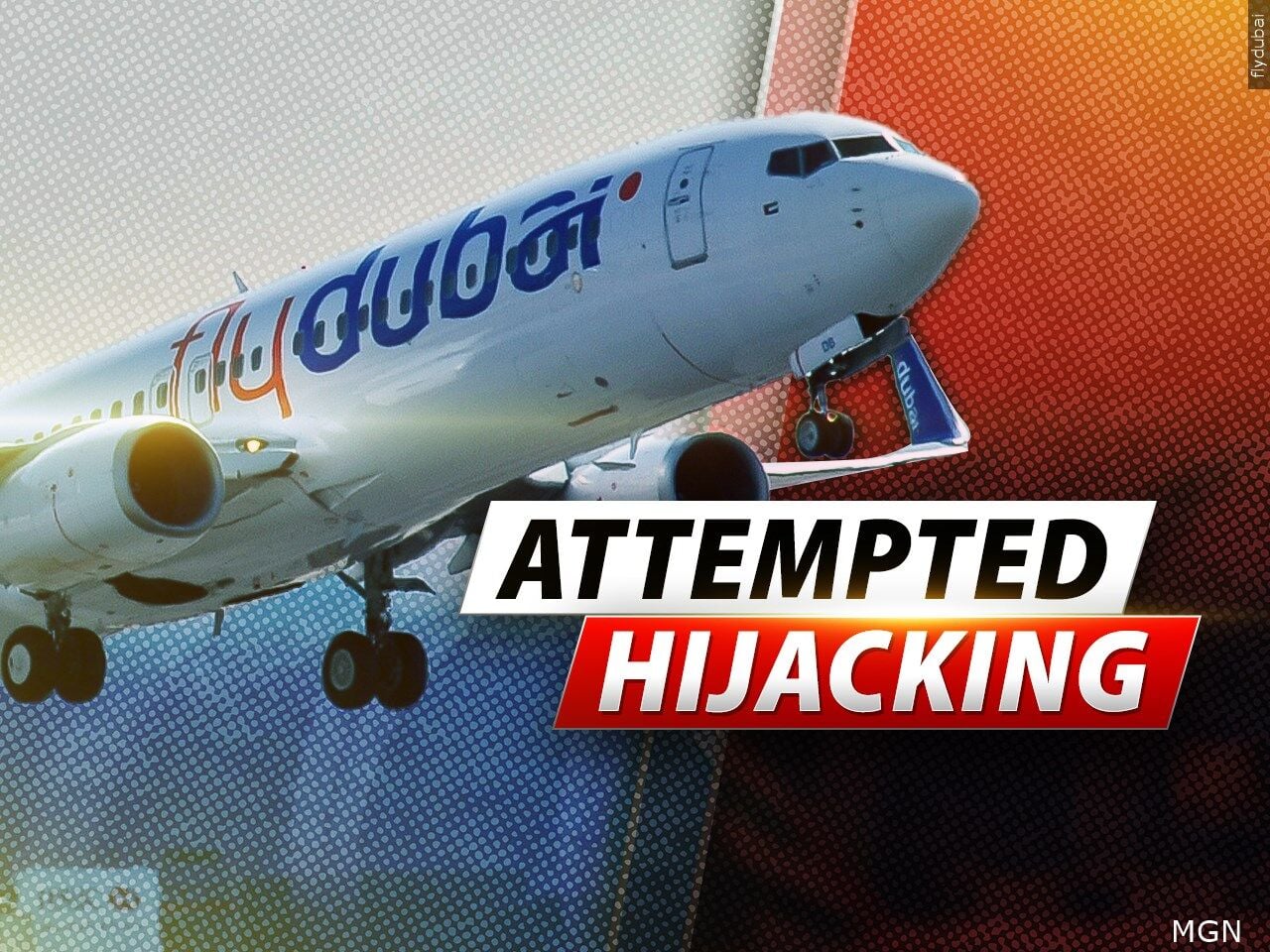
DUBAI/CAIRO — Aviation authorities and intelligence agencies are scrambling to answer mounting questions following a terrifying mid-air security breach involving a FlyDubai flight. New details reveal that the co-pilot accused of launching a violent, ax-wielding attack against the aircraft captain had previously been flagged over severe extremism concerns—yet somehow managed to slip through commercial aviation screening protocols.
The incident, which sources confirm nearly resulted in catastrophe on an Israel-bound route, has thrust Middle Eastern aviation security, background check integrity, and airline hiring practices into the global spotlight. As regulators in the United Arab Emirates and international bodies review the sequence of events, passengers and industry experts are demanding accountability for how a known security risk was allowed inside a commercial cockpit.
Anatomy of a Mid-Air Crisis
According to preliminary findings released by United Arab Emirates officials and wire reports from Cairo, the terrifying ordeal unfolded mid-flight. The co-pilot, whose identity has been withheld pending ongoing legal and security proceedings, reportedly produced an ax inside the cockpit and launched a sudden assault on the captain.
Quick-thinking crew members and unidentified mystery passengers rushed to the flight deck, intervening just in time to subdue the aggressive co-pilot and secure the aircraft. Their swift action prevented what could have been a catastrophic downing of the commercial liner.
- The Target: An Israel-bound commercial flight operated by regional carrier FlyDubai.
- The Weapon: An ax, typically stored as standard emergency equipment inside commercial cockpits.
- The Heroes: A group of mystery men and flight crew who stepped in to physically overpower the co-pilot.
- The Aftermath: The flight landed safely, but the incident has sparked an immediate international security audit.
Red Flags Ignored: The Oman Air Connection

Perhaps the most damning revelation emerging from the investigation is FlyDubai’s vetting process leading up to the hire. Investigative reports confirm that the co-pilot had previously been barred by Oman Air following internal assessments and security reviews.
Despite being flagged over extremism concerns and subsequently rejected by Oman Air, the pilot successfully secured employment with FlyDubai. Security analysts are now probing how regional airlines share employee vetting data, and whether regulatory oversights allowed a high-risk individual to bypass standard cross-border background checks.
Furthermore, digital footprint analysis revealed a troubling social media history filled with radical rhetoric. Intelligence experts are questioning why digital vetting tools—now standard practice for major global carriers—failed to catch the warning signs before handing the individual control of a commercial jetliner.
At a Glance: Incident Fact Sheet
| Metric / Detail | Summary Information |
|---|---|
| Airline | FlyDubai |
| Route | Israel-bound commercial service |
| Primary Threat | Co-pilot armed with an emergency ax attacking the captain |
| Prior Employment | Previously barred by Oman Air |
| Security Status | Previously flagged over extremism and radical social media activity |
The Broader Implications for Global Aviation
The FlyDubai incident lays bare vulnerabilities in pilot recruitment, psychological screening, and cockpit security protocols that extend far beyond the Middle East. While post-9/11 measures successfully hardened cockpit doors against external threats from the cabin, the industry continues to grapple with the "insider threat"—crew members who turn rogue.
Financial markets and aviation stocks reacted swiftly to the news, with investors demanding transparency regarding how regional carriers vet international applicants. Industry analysts note that tighter regulations on cross-airline data sharing are now all but guaranteed.
“This is no longer just an isolated operational failure; it is a systemic wake-up call for international civil aviation,” said a senior aviation security consultant based in Europe. “When a pilot flagged for extremism can bounce from one regional carrier to another after being barred, the safety net has fundamentally broken down.”
What Happens Next?
As the investigation deepens, UAE authorities are expected to release a comprehensive safety directive. FlyDubai faces intense regulatory scrutiny, potential lawsuits, and a public relations crisis as passengers question the carrier's safety standards.
Legal experts suggest the co-pilot will face multiple charges of attempted mass murder, terrorism, and air piracy. Meanwhile, governments worldwide are reviewing intelligence-sharing agreements to ensure that extremist flags follow aviation professionals across international borders, preventing compromised individuals from ever stepping foot inside a cockpit again.
Frequently Asked Questions
1. How did the co-pilot obtain an ax inside a commercial cockpit?
Axes and other emergency tools are standard equipment installed inside commercial aircraft cockpits to handle specific onboard emergencies. The co-pilot accessed this pre-existing emergency equipment during the flight.
2. Why was the co-pilot able to be hired by FlyDubai after being barred by Oman Air?
Current investigations are focusing on gaps in cross-border employment verification and the lack of a centralized international database sharing internal airline safety and extremism flags among regional carriers.