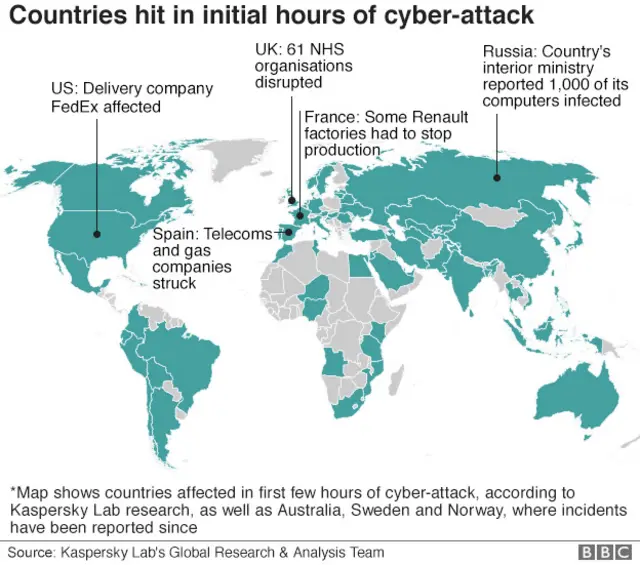
A sophisticated, synchronized cyber-attack has crippled commercial refrigeration and supply chain infrastructure across seven European nations, exposing deep vulnerabilities in the continent’s retail technology stack. The incident, which began unfolding late Tuesday and escalated through Wednesday, targeted centralized HVAC and deep-freeze management systems used by major supermarket chains, threatening billions of euros in perishable inventory and forcing emergency manual overrides at thousands of retail locations.
As corporate boards and security operations centers (SOCs) scramble to contain the fallout, this unfolding crisis is triggering urgent board-level re-evaluations of enterprise risk mitigation, cloud compute architecture, and vendor risk management. Industry analysts note that the operational disruption serves as a stark reminder of the hidden systemic risks embedded within interconnected internet-of-things (IoT) deployments across the retail sector.
Executive Takeaways
Test Our Free AI & Tech Utilities Suite
Calculate LLM API token costs, analyze article dwell-time, or simulate tech DCA returns.
- Cross-Border Scale: The cyber-attack simultaneously impacted retail operations across seven European jurisdictions, highlighting a systemic vulnerability in centralized HVAC and refrigeration management software.
- Capital & Inventory Risk: Supermarket operators faced immediate threats of massive inventory write-offs, forcing emergency capital allocation toward manual temperature logging and physical overrides.
- Regulatory Scrutiny: European data protection and critical infrastructure authorities are launching preliminary inquiries, raising the specter of severe regulatory compliance penalties for lax vendor security protocols.
- Valuation & Market Impact: Publicly traded grocery conglomerates are experiencing valuation pressures as institutional investors reassess operational resilience and cybersecurity valuation multiples.
Anatomy of a Continental Disruption: The Catalytic Event
The breach materialized when unauthorized entities infiltrated a third-party vendor’s remote-monitoring platform utilized by major European supermarket operators to manage commercial refrigeration units. Rather than a traditional ransomware deployment targeting corporate financial databases, the malicious payload specifically targeted programmable logic controllers (PLCs) and industrial control systems (ICS) governing low-temperature retail freezers.
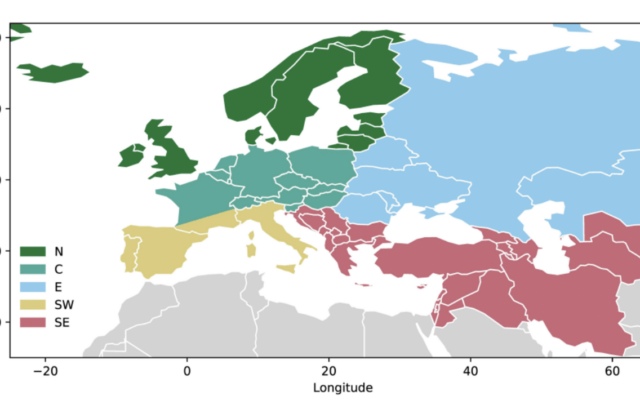
By altering temperature setpoints and locking local store managers out of administrative dashboards, the threat actors induced rapid thermal spikes across thousands of interconnected freezer units. The geopolitical and commercial ramifications were immediate. Retailers in countries including Germany, France, Poland, and the Netherlands reported sudden alarms, spoiled inventory, and systemic communication failures between storefronts and corporate data centers.
According to preliminary forensic telemetry obtained by leading incident response firms, the attack vector leveraged compromised VPN credentials belonging to an external HVAC maintenance contractor. This "supply chain pivot" allowed the attackers to bypass perimeter firewalls and execute lateral movement across cloud-hosted building management systems. The incident underscores a pervasive enterprise vulnerability: third-party vendors often maintain elevated privileges over physical infrastructure without undergoing rigorous, continuous zero-trust security validation.
Infrastructure Scalability and the Cost of Hyper-Connectivity
In the modern retail landscape, infrastructure scalability has been intrinsically linked to cloud-native management platforms. Driven by the pursuit of operating margin expansion and energy efficiency, European supermarkets rapidly migrated their environmental controls to centralized software-as-a-service (SaaS) ecosystems over the past decade. While this transition optimized energy consumption and reduced overhead, it inadvertently concentrated immense operational risk into single points of failure.
Financial analysts tracking the retail technology sector point out that executives have historically prioritized capital expenditure efficiency over resilient, air-gapped backup systems. The current crisis demonstrates a fundamental flaw in this strategic calculus. When centralized cloud compute architecture is compromised, the physical manifestations—spoiled dairy, melting pharmaceuticals, and ruined frozen goods—translate immediately into severe balance-sheet liabilities and diminished market liquidity.
Chief Information Security Officers (CISOs) across Europe are now facing intense pressure from executive committees to justify their enterprise ROI metrics regarding cybersecurity spend. The operational friction experienced this week proves that network segmentation and robust endpoint detection and response (EDR) solutions are not merely regulatory tick-boxes, but fundamental prerequisites for protecting physical capital assets.
| Metric / Indicator | Pre-Crisis Baseline | Current Status | Economic & Operational Impact |
|---|---|---|---|
| Impacted Jurisdictions | 0 (Isolated regional maintenance) | 7 European Nations | Widespread cross-border retail disruption and regulatory mobilization. |
| Compromised Storefronts | N/A | Estimated 2,500+ Locations | Emergency deployment of manual oversight teams and backup generators. |
| Estimated Inventory Risk | Standard shrinkage allowances | Hundreds of Millions of Euros | Direct hit to operating margins and potential insurance litigation battles. |
| Vendor Risk Index | Standard SLA compliance | High-Severity Red Alert | Immediate mandatory audits of third-party software supply chains. |
Industry & Market Implications: Winners, Losers, and Economic Fallout
The ripple effects of the European freezer cyber-attack extend far beyond individual supermarket balance sheets, creating distinct winners and losers across the technology, insurance, and retail ecosystems.
The Losers
Mass-market grocery retailers reliant on legacy or insufficiently segmented IoT vendors are bearing the brunt of the immediate financial and reputational damage. Beyond the direct loss of perishable inventory, these firms face protracted negotiations with insurance underwriters who are increasingly tightening policy exclusions regarding cyber-induced physical damage. Furthermore, equity valuations for publicly traded retail groups exposed to the breach have experienced short-term volatility as institutional investors reprice operational risk.
Third-party managed service providers (MSPs) and HVAC contractors also face an existential reckoning. Firms that fail to demonstrate rigorous adherence to international cybersecurity frameworks (such as ISO/IEC 27001 and NIST guidelines) face immediate contract terminations and potential liability lawsuits from enterprise clients seeking compensation for business interruption losses.
The Winners
Conversely, enterprise cybersecurity vendors specializing in industrial IoT (IIoT) security, zero-trust network access (ZTNA), and operational technology (OT) monitoring are positioned for accelerated market growth. As corporate boards reallocate capital toward infrastructure hardening, demand for real-time asset discovery and automated threat containment tools is surging. Additionally, specialized supply-chain insurance underwriters and incident response consultancies are experiencing record demand for retainers and forensic audits.
Frequently Asked Questions (People Also Ask)
1. Which specific European countries were affected by the supermarket freezer cyber-attack?
While investigations remain fluid, preliminary reports indicate that retail infrastructure and refrigeration systems across seven European countries—primarily concentrated in Western and Central Europe, including Germany, France, the Netherlands, and Poland—suffered coordinated operational disruptions.
2. How did the hackers manage to manipulate commercial freezers remotely?
The threat actors did not target individual store refrigerators directly. Instead, they compromised the centralized cloud-based management platforms and third-party vendor portals used by retail conglomerates to monitor and adjust HVAC and refrigeration settings across multiple storefronts.
3. Are consumer food supplies or public health at risk due to the temperature spikes?
Supermarket operators and food safety regulators have moved swiftly to quarantine and discard compromised perishable goods. While financial losses for retailers are substantial, robust manual override protocols and emergency store audits have largely prevented compromised inventory from reaching consumers.
4. What legal and regulatory repercussions do affected retailers face?
Under stringent European frameworks such as the NIS2 Directive (Network and Information Security Directive) and the General Data Protection Regulation (GDPR), critical infrastructure operators and essential service providers face mandatory incident reporting requirements. Authorities are examining whether companies maintained adequate cybersecurity postures, potentially opening the door to significant compliance fines.
Future Outlook: Strategic Milestones to Watch
As forensic teams comb through server logs and ransom notes—or the lack thereof—the fallout from this multi-country cyber-attack will fundamentally alter how European enterprises approach digital-physical convergence. Over the next 90 to 180 days, market observers should monitor several critical milestones:
- Regulatory Enforcement Actions: Watch for announcements from European cybersecurity agencies regarding potential non-compliance penalties under the expanded NIS2 framework.
- Vendor Consolidation and Security Mandates: Expect major grocery chains to purge non-compliant third-party vendors, favoring enterprise software partners that offer fully audited, air-gapped, and zero-trust operational frameworks.
- M&A and Valuations in IIoT Security: Institutional capital allocation toward OT security startups is projected to accelerate, driving valuation multiples higher for specialized firms capable of defending physical industrial control systems.
Ultimately, this unprecedented incident serves as a definitive turning point. The traditional corporate firewall no longer stops at the enterprise server room; it extends directly to every connected compressor, thermostat, and freezer display case across the continent. Protecting those physical assets is now an existential board-level imperative.