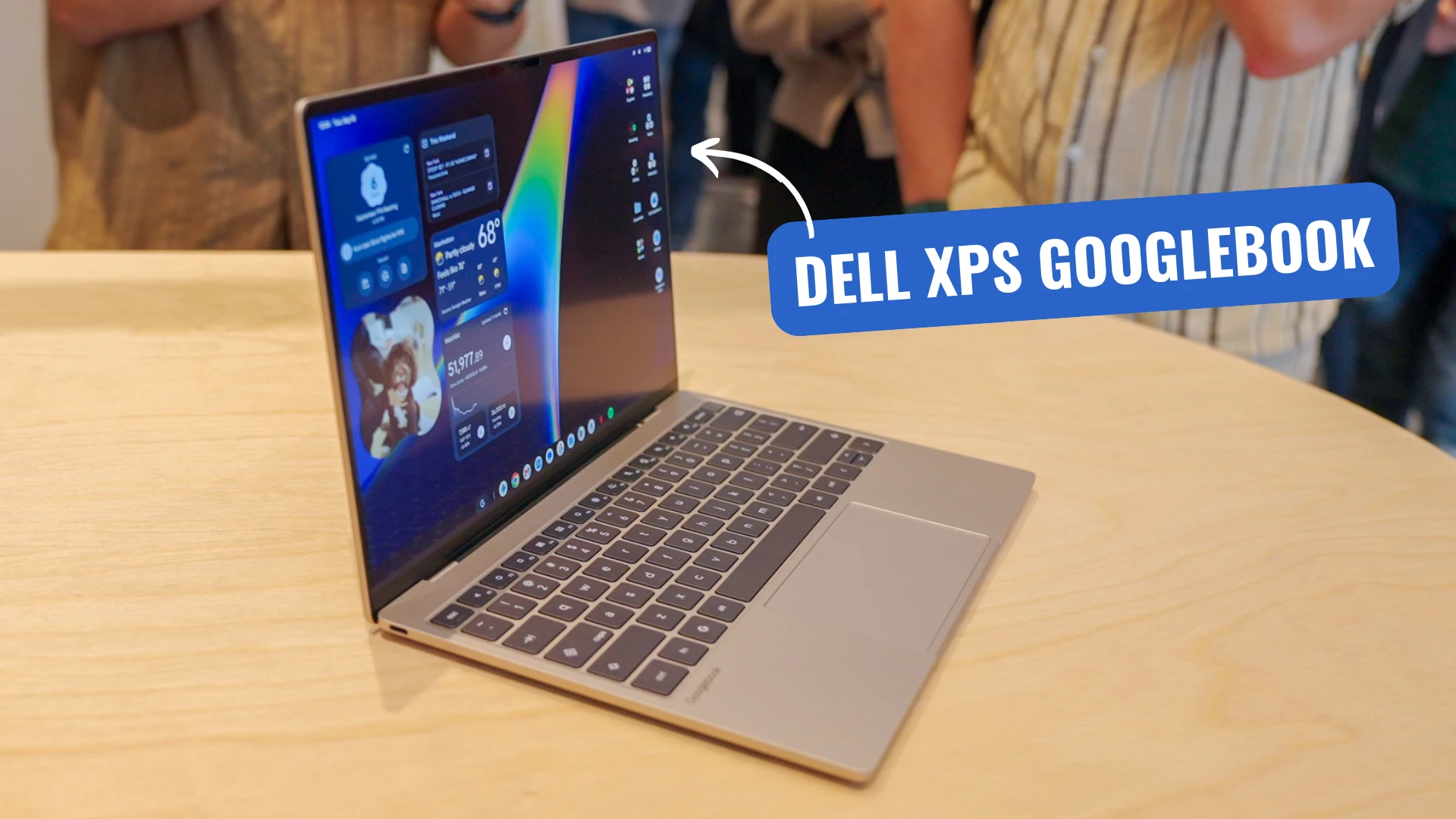
Executive Takeaways
- Hardware Supremacy: Dell’s integration of its award-winning XPS chassis design with Google’s lightweight OS creates a visually and tactilely unmatched device in the consumer ecosystem.
- The Software Bottleneck: Despite premium components, the platform's infrastructure scalability is constrained by browser-centric limitations, severely restricting advanced enterprise ROI and heavy compute workflows.
- Capital Allocation Shift: Corporate IT buyers are re-evaluating procurement strategies, questioning whether premium hardware margins are justifiable for deployments lacking robust local infrastructure support.
- Strategic Valuation Impact: The convergence highlights a persistent friction point between high-end industrial design and minimalist software architectures, forcing manufacturers to recalibrate risk mitigation in product pipelines.
Introduction: The Architectural Disconnect
In the upper echelons of enterprise hardware procurement, few names command the immediate respect of Dell’s XPS line. Celebrated for its InfinityEdge displays, CNC-machined aluminum chassis, carbon-fiber composite palm rests, and uncompromising thermal architecture, the XPS brand has long served as the gold standard for Windows-based professional computing. However, a recent strategic pivot—introducing a specialized configuration running Google's operating ecosystem, colloquially dubbed the "Googlebook"—has ignited a fierce debate across financial markets, product design labs, and corporate IT suites.
At first glance, the device is a triumph of industrial design. Yet, a deeper investigative analysis reveals a profound strategic paradox: beautiful, high-margin hardware tethered to a restrictive software platform that many institutional analysts and senior technologists deem fundamentally limited for high-performance enterprise workloads. As markets scrutinize capital expenditure efficiency and IT infrastructure scalability, this intersection of elite physical engineering and minimalist cloud-native software demands rigorous examination.
Catalytic Events and the Genesis of the "Googlebook" Concept
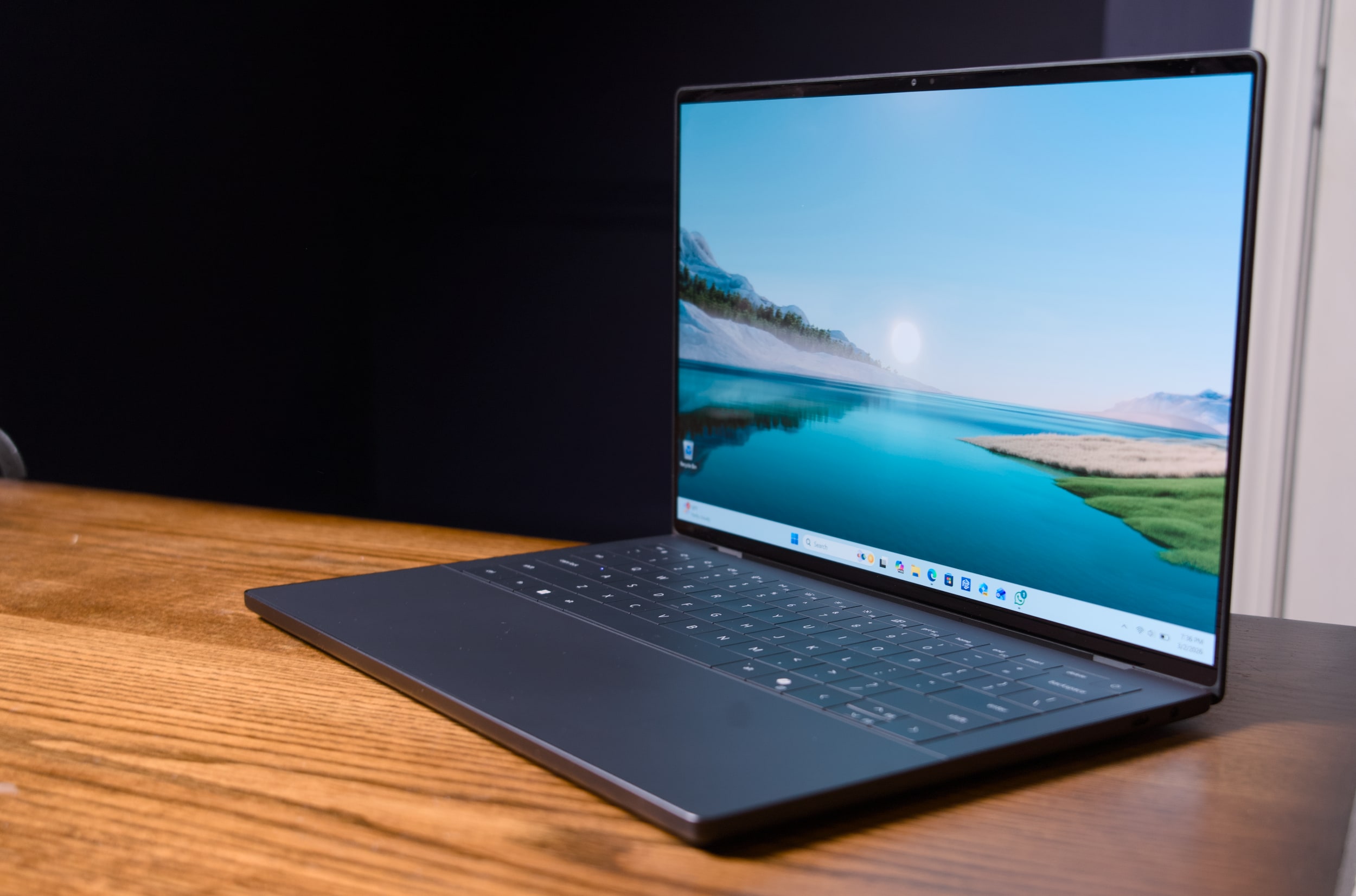
The convergence of Dell’s premier chassis architecture with Google’s software ecosystem did not happen in a vacuum. Over the past twenty-four months, enterprise cloud compute architecture has steadily shifted workloads away from local storage toward distributed browser-based environments. Sensing an opening in the high-end executive and education markets, manufacturers began exploring whether premium metal-and-glass aesthetics could elevate a traditionally budget-oriented operating system.
Historically, Google’s platform found its strongest market liquidity in K-12 education and lightweight administrative deployments where low failure rates and simplified deployment workflows outweighed the need for heavy local compute capability. However, as remote work models matured, OEMs sought to capture higher valuation multiples by pushing these platforms up-market. Dell’s entry into this space represents a calculated gamble: leverage existing supply chain efficiencies and world-class industrial design to command premium pricing in a sector previously dominated by plastic builds and utilitarian designs.
Yet, financial analysts tracking OEM margin expansion have raised early red flags. While bill-of-materials (BOM) costs for chassis components remain high, the utility ceiling imposed by the software environment creates friction for corporate buyers looking to maximize long-term enterprise ROI. The fundamental tension lies between the device's physical capability—capable of sustaining heavy multi-threaded workloads—and the operating system’s sandbox constraints.
Technical Breakdown: Elite Materials Meet Software Guardrails
To understand the depth of this paradox, one must examine the hardware specifications side-by-side with the operational realities of the software environment. The engineering team at Dell made zero compromises on the physical build. The display panels utilize cutting-edge OLED and high-refresh-rate IPS technology, while the internal thermal dissipation systems are over-engineered to handle sustained thermal loads.
| Metric / Specification | Dell XPS Hardware Tier | Operating Platform Reality | Enterprise Impact & Risk |
|---|---|---|---|
| Chassis & Build Quality | CNC Aluminum & Carbon Fiber | Exceeds typical platform standards | High durability, premium executive appeal |
| Compute Architecture | Multi-core enterprise processors | Browser & web-app containerized | Underutilization of silicon processing power |
| Local Storage & I/O | High-speed NVMe PCIe Gen 4 | Cloud-synced, minimal local footprint | Redundant speed for pure web workloads |
| Software Ecosystem | Hardware-agnostic baseline | Web-first, containerized Android/Linux | Compliance hurdles for legacy enterprise apps |
As illustrated in the metrics above, the hardware architecture is vastly over-provisioned for the software environment it runs. While this ensures buttery-smooth UI navigation and instantaneous boot times, it prompts critical questions regarding capital allocation. When corporate procurement officers evaluate total cost of ownership (TCO), deploying premium-tier hardware that cannot natively execute complex legacy desktop applications, specialized CAD tools, or advanced local data analytics suites creates a distinct operational mismatch.
Industry and Market Implications: Winners, Losers, and Economic Realities
The launch of this hybrid device ripples across multiple segments of the global technology market, creating clear lines between beneficiaries and those absorbing strategic risk.
Who Wins:
- Executive End-Users: Professionals who prioritize tactile luxury, battery longevity, and seamless cloud synchronization receive a device that feels phenomenal in hand and offers exceptional travel ergonomics.
- Cloud-First Enterprises: Organizations operating entirely within browser-based SaaS ecosystems, zero-trust architectures, and Google Workspace benefit from simplified fleet management, rapid provisioning, and reduced endpoint vulnerability.
- Component Suppliers: High-end display panel manufacturers, CNC milling specialists, and battery cell providers secure lucrative supply contracts driven by the prestige of the XPS brand footprint.
Who Loses:
- Power Users and Developers: Engineers, data scientists, and creative professionals requiring deep local compute access, specialized peripheral integration, and robust native application support find the hardware locked behind a software ceiling.
- Traditional IT Procurement: Corporate buyers tasked with justifying high capital expenditures struggle to reconcile premium hardware price tags with restricted software capabilities that mirror devices a fraction of the cost.
From a broader macroeconomic perspective, this product underscores a persistent tug-of-war between form and function. As software increasingly migrates to the cloud, the necessity for powerful local silicon diminishes for average office workers. Yet, luxury hardware manufacturers rely on performance differentiation to justify their pricing power. When that differentiation is blunted by an operating system that abstracts the underlying hardware, margin pressure inevitably follows.
Frequently Asked Questions (People Also Ask)
Expert Answers to Key Long-Tail Queries
Q: Why would Dell pair its flagship XPS hardware with a lightweight cloud operating system?
Dell is seeking to capture high-end enterprise and education segments that demand premium industrial design, durability, and instantaneous cloud integration, while expanding its addressable market beyond traditional Windows deployments.
Q: Does the Dell XPS "Googlebook" support heavy enterprise applications?
While web-based SaaS tools, cloud IDEs, and containerized Linux environments run smoothly, heavy legacy desktop software, specialized CAD programs, and complex local data processing suites face significant compatibility barriers due to OS constraints.
Q: How does this device impact corporate IT risk mitigation and ROI?
For cloud-first organizations, it offers exceptional security and reduced endpoint management overhead. However, for firms reliant on diverse local software stacks, the high upfront hardware cost may fail to deliver a favorable return on investment compared to mid-tier alternatives.
Q: Is the hardware performance throttled by the operating system?
The hardware itself is fully capable, but the operating system’s minimalist architecture means that high-end multi-core processors and advanced graphics capabilities are frequently underutilized during routine web-centric workflows.
Future Outlook and Strategic Milestones
As the computing landscape continues its migration toward decentralized cloud infrastructure, the friction between physical hardware capability and software abstraction will intensify. For manufacturers like Dell, the strategic calculus requires balancing artistic and engineering ambition with pragmatic market demand. If software ecosystems continue to evolve toward heavier web-based enterprise workloads, including advanced artificial intelligence inference executed locally via browser engines, the hardware overhead of the XPS line may find its true calling.
Key milestones to monitor over the next four quarters include corporate adoption rates among Fortune 500 cloud-first deployments, subsequent iterations of software virtualization layers that bridge the gap between local silicon and web-based execution, and OEM pricing strategies. Until software capabilities fully catch up to physical hardware engineering, devices of this caliber will remain a study in contrasts: breathtaking industrial design paired with an unapologetic operational ceiling.