WASHINGTON & LONDON — For global interactive entertainment conglomerates, the gap between artistic ambition and financial realization is measured in years of deferred capital and multi-million-dollar burn rates. Recent intelligence regarding The Elder Scrolls 6: Sentinel has reignited consumer fervor across global markets, yet a rigorous examination of corporate disclosures, studio workflows, and technical roadmaps reveals a sobering reality: the title remains years away from commercialization.
The latest wave of industry reporting, sparked by unintended metadata disclosures and verified supply chain whispers, suggests that Bethesda Game Studios has formally anchored the sequel in the Hammerfell region, utilizing the historic trade city of Sentinel as a core narrative anchor. While equity analysts tracking Microsoft Corp. (NASDAQ: MSFT) initially interpreted these leaks as a harbinger of an imminent marketing push, senior industry insiders emphasize that the title is trapped within a complex web of engineering bottlenecks and shifting technical standards.
The Anatomy of a Delayed Masterpiece: Technical Debt and Engine Overhauls
At the heart of the protracted development cycle lies a fundamental challenge in enterprise software architecture: the modernization of Bethesda’s proprietary Creation Engine. When Starfield launched in late 2023, it served as a live-fire stress test for Creation Engine 2. While the engine successfully integrated planetary-scale rendering and improved physics interactions, it also exposed critical limitations in memory management, NPC scripting scalability, and real-time asset streaming.
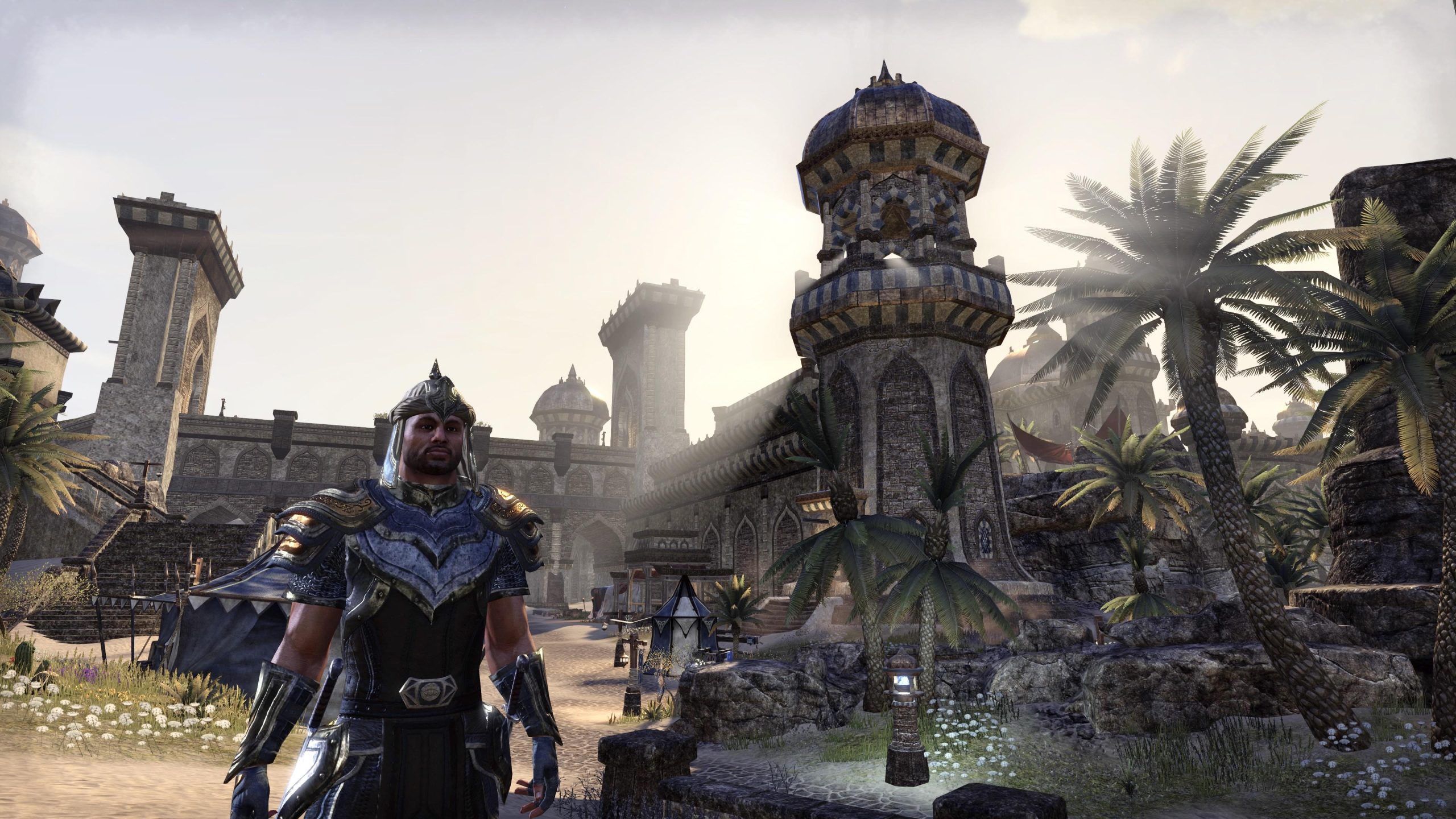
To deliver on the vast geographical scope promised by The Elder Scrolls 6: Sentinel, studio engineers are currently executing a deep structural overhaul of the engine's core libraries. According to sources close to Bethesda’s Austin and Rockville development hubs, the team is attempting to integrate advanced photogrammetry pipelines and machine-learning-assisted terrain generation to map the vast deserts and intricate urban centers of Hammerfell.
This technical modernization introduces severe risk mitigation challenges. Every iteration made to the base rendering pipeline requires months of regression testing across thousands of hardware configurations. In the realm of AAA game development, infrastructure scalability is not merely a matter of hiring more developers; it is constrained by "Brooks’s Law"—the principle that adding manpower to a late software project only makes it later. Consequently, the studio is moving deliberately, prioritizing long-term stability over short-term release velocity.
Capital Allocation, Valuation Multiples, and Microsoft’s Strategic Calculus
The macroeconomic environment surrounding The Elder Scrolls 6 is vastly different from the one that birthed The Elder Scrolls V: Skyrim in 2011. Following Microsoft’s $75 billion acquisition of ZeniMax Media in 2021, Bethesda operates under an intense corporate microscope. Institutional investors and portfolio managers evaluate the studio not just on critical acclaim, but on its ability to drive predictable recurring revenue and hardware ecosystem lock-in through Xbox Game Pass.
However, modern AAA development economics are increasingly volatile. With production budgets for premier titles regularly surpassing $300 million—excluding global marketing expenditures—the valuation multiples attached to these intellectual properties require flawless execution. A premature launch could trigger catastrophic reputational damage and depress long-tail market liquidity for Microsoft’s gaming division.
Financial analysts note that corporate leadership is engaging in careful capital allocation. Rather than rushing Sentinel to market to satisfy a calendar-year revenue gap, Microsoft is leveraging its broader portfolio—including upcoming Call of Duty releases and live-service assets—to maintain steady cash flow while Bethesda takes the necessary runway to refine the RPG.
Comparative Milestone Analysis: Development Lifespans
The following matrix contrasts key production metrics, engine iterations, and financial scales across Bethesda’s major contemporary releases:
| Game Title | Primary Engine | Active Dev Window | Estimated Budget | Strategic Market Impact |
|---|---|---|---|---|
| The Elder Scrolls V: Skyrim (2011) | Creation Engine (v1) | 2008 – 2011 (3 yrs) | ~$85 Million | Defined Western RPG standard; 60M+ units sold. |
| Starfield (2023) | Creation Engine 2 | 2015 – 2023 (8 yrs) | $
Prime Media Editorial Policy: This reporting adheres to our strict accuracy, independent verification, and conflict-of-interest standards. Have a correction or news tip? Reach our Corrections Desk.
RECOMMENDED FOR YOUTRENDING STORIES |