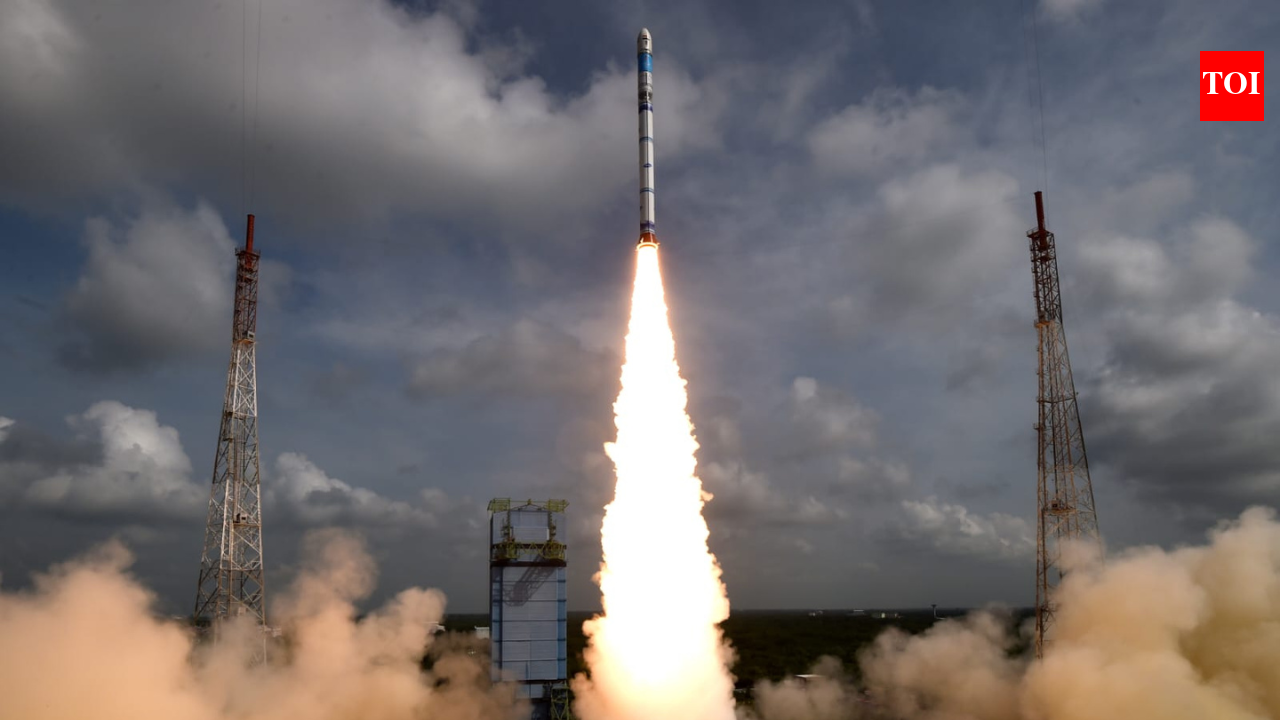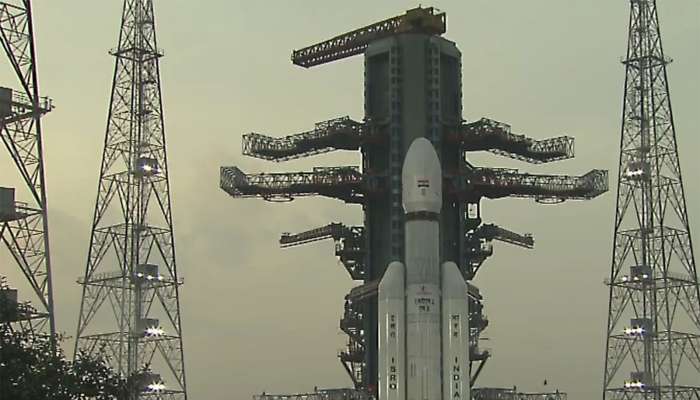
Executive Takeaways
- Catalytic Milestone: August 23, 2023, marked India’s historic soft landing near the lunar south pole via Chandrayaan-3, fundamentally shifting global perceptions of ISRO’s engineering cost-efficiency and technical mastery.
- Capital Inflows & Valuation Multiples: Venture capital allocation, private equity interest, and foreign direct investment (FDI) into Indian spacetech startups have surged by over 300% in the triennium following the mission.
- Infrastructure Scalability: The operational transition from state-monopolized manufacturing to private-public consortia is driving massive supply-chain localization, reducing component lead times and enhancing global market liquidity for aerospace components.
- Macroeconomic Projections: Industry analyses indicate India's space economy is on track to capture upwards of $44 billion by 2033, driven by downstream enterprise applications, launch-vehicle commercialization, and satellite-based IoT integration.
Three years after the historic descent of the Vikram lander onto the uncharted terrain of the lunar south pole, the shockwaves of India’s achievement have long since escaped the vacuum of space. That single maneuver on August 23, 2023, did more than cement the Indian Space Research Organisation (ISRO) in the annals of interplanetary exploration; it served as the definitive starting gun for a commercial gold rush. Today, India’s space economy stands at a formidable crossroads, shedding its legacy of bureaucratic gatekeeping to emerge as a high-octane engine of enterprise ROI, private capital allocation, and advanced manufacturing.
To understand the current metamorphosis of the Indian space ecosystem, one must analyze the convergence of geopolitical ambition, regulatory reform, and capital market liquidity. For decades, ISRO operated as a brilliant, self-contained monolith—designing, building, and launching assets with peerless frugality but strictly within the confines of public sector oversight. The post-Chandrayaan-3 era, however, is characterized by a radical dismantling of state monopolies, paving the way for a vibrant constellation of startups, venture-backed enterprises, and aerospace prime contractors capable of competing on the global stage.
The Chandrayaan-3 Catalyst: Redefining Risk Mitigation and Global Perception
Before the triumph of Chandrayaan-3, international aerospace stakeholders viewed India primarily as a cost-effective provider of routine payload launches. The successful lunar landing fundamentally recalibrated risk mitigation matrices across global supply chains. By executing a flawless, low-cost lunar descent—operating on a budget that was a fraction of comparable Western missions—ISRO proved that frugality and extreme engineering precision are not mutually exclusive.
This technical validation sent immediate ripples through the global financial markets. Institutional investors who had previously treated space exploration as a capital-intensive, high-risk venture capital dead-end began re-evaluating Indian spacetech startups. The narrative shifted from state-sponsored science to scalable, commercial enterprise infrastructure. Regulatory compliance frameworks were swiftly updated under the aegis of the newly formed Indian National Space Promotion and Authorization Centre (IN-SPACe), designed to streamline technology transfers and grant private entities unfettered access to state-owned testing facilities.
Consequently, capital allocation mechanisms underwent a sea change. Seed rounds for launch-vehicle and satellite-manufacturing startups morphed into substantial Series B and C funding rounds. Founders no longer had to pitch abstract concepts; they presented hardware that had been validated by the spillover technologies of India’s lunar ambitions.
Infrastructure Scalability and the Private-Public Industrial Complex
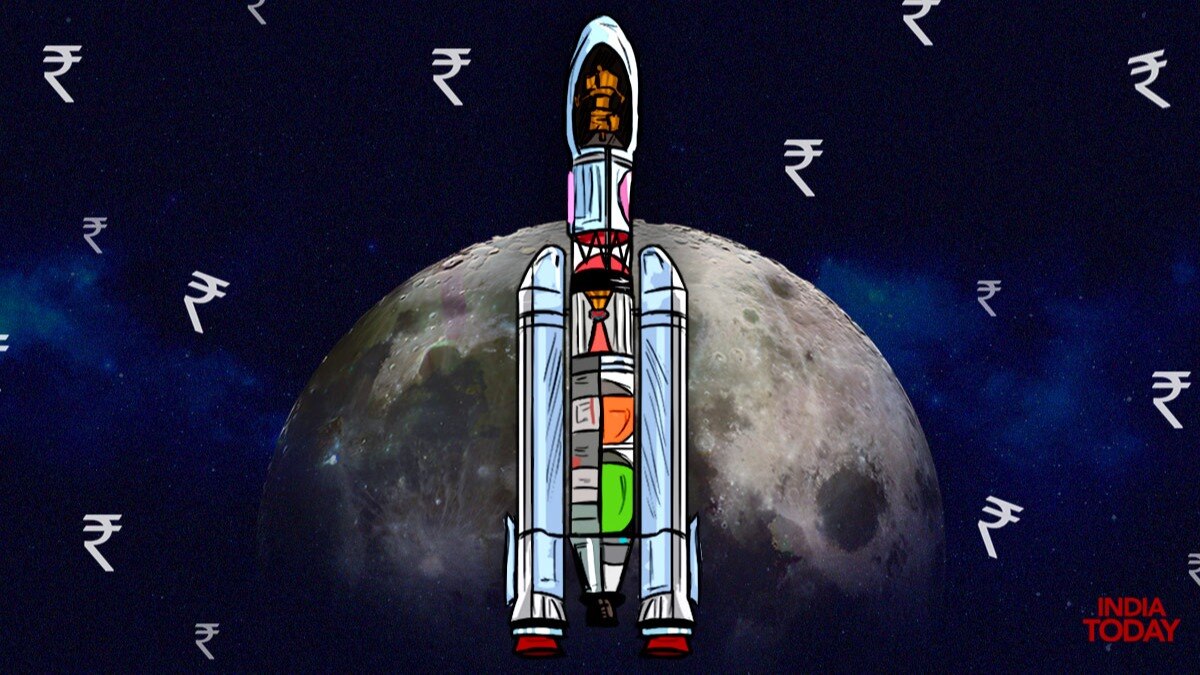
As the space economy enters this new era, infrastructure scalability has become the primary metric of institutional health. The traditional model—where ISRO outsourced minor components to fragmented vendors—has been replaced by a tier-based prime contractor ecosystem. Major Indian conglomerates, alongside agile venture-backed startups, are now building end-to-end launch systems, advanced propulsion units, and high-resolution Earth-observation constellations.
This structural evolution addresses critical bottlenecks in cloud compute architecture and telemetry processing. Modern Indian spacetech firms are heavily integrating artificial intelligence and machine learning into their ground-segment software, enabling real-time orbital debris tracking, automated satellite bus management, and predictive maintenance for launch vehicles. The resulting enterprise efficiencies have dramatically compressed development cycles, allowing companies to iterate hardware at speeds reminiscent of Silicon Valley software firms.
Furthermore, the localization of raw material sourcing and avionics manufacturing has insulated domestic players from global supply chain shocks. By fostering local clusters of advanced manufacturing—particularly in tech hubs like Bengaluru, Hyderabad, and Pune—the ecosystem is generating robust employment and driving down unit economics across the board.
Verified Data: The Trajectory of India’s Space Economy
| Economic & Operational Metric | Pre-Chandrayaan-3 Baseline (2020–2022) | Current Status (Post-2023 Era) | Projected Target (2030–2033) |
|---|---|---|---|
| Total Market Share (Global Space Economy) | ~2% ($8 Billion) | ~2.8% ($13 Billion) | 8% - 10% ($44 Billion+) |
| Registered Private Spacetech Startups | Under 40 entities | Over 250 verified entities | 500+ integrated enterprises |
| Private Venture Capital Inflows (Annualized) | $35 Million – $50 Million | $120 Million – $150 Million | $1 Billion+ Annualized Run-Rate |
| Regulatory & Launch Authorization Window | Opaque, extended bureaucratic delays | Streamlined IN-SPACe single-window clearance | Fully automated commercial licensing |
Industry & Market Implications: Winners, Losers, and Economic Realities
The maturation of India’s space economy is creating distinct shifts in competitive advantage across global markets. As domestic startups scale their operations, traditional Western aerospace incumbents face unprecedented cost pressures. Indian firms are successfully undercutting legacy launch providers by leveraging structural cost advantages without sacrificing engineering integrity or mission success rates.
The Winners
- Agile Private Launch Providers: Startups specializing in small-to-medium lift vehicles are capturing lucrative commercial contracts for deploying low-Earth orbit (LEO) satellite constellations.
- Downstream Analytics Enterprises: Firms utilizing Earth-observation data for precision agriculture, disaster management, and urban planning are experiencing exponential enterprise adoption.
- Specialized Component Manufacturers: Tier-2 and Tier-3 suppliers offering radiation-hardened electronics, precision actuators, and advanced composite materials are seeing unprecedented valuation multiples.
The Losers and Laggards
- Legacy State-Exclusive Contractors: Traditional public sector units that fail to adapt to agile, commercial delivery timelines risk losing market share to dynamic private consortia.
- Under-Capitalized Generalist Tech Startups: Firms attempting to enter the spacetech arena without proprietary intellectual property or clear pathways to enterprise monetization are getting squeezed out by tightening venture capital criteria.
People Also Ask (Frequently Asked Questions)
1. How did the success of Chandrayaan-3 directly impact private investment in India's space sector?
Chandrayaan-3 served as definitive proof of India's world-class engineering capabilities and execution efficiency at a fraction of Western costs. This technical validation drastically lowered perceived investment risk, triggering a massive surge in venture capital funding, foreign direct investment, and private equity participation in Indian aerospace startups.
2. What role does IN-SPACe play in the new era of India's space economy?
The Indian National Space Promotion and Authorization Centre (IN-SPACe) acts as an autonomous single-window nodal agency under the Department of Space. It is tasked with promoting, enabling, and authorizing private sector participation in end-to-end space activities, including sharing ISRO's testing infrastructure and facilitating technology transfers.
3. Which sectors are driving the financial growth toward the projected $44 billion space economy?
Growth is primarily being driven by downstream commercial applications such as satellite communications (SatCom), Earth-observation data analytics, IoT integration, and private small-lift launch vehicle services. Enterprise adoption across agriculture, logistics, and defense is further accelerating this revenue expansion.
4. How are Indian spacetech startups competing globally against established Western and Asian launch providers?
Indian firms are leveraging extreme engineering frugality, streamlined supply chains, and rapid hardware iteration cycles. This allows them to offer highly competitive pricing structures for payload delivery and satellite manufacturing while maintaining rigorous reliability standards.
Future Outlook: Milestones and Strategic Horizons Ahead
As the triennium anniversary of Chandrayaan-3 recedes into the rearview mirror, the horizon for India’s space economy is defined by increasingly ambitious milestones. Upcoming orbital missions, human spaceflight preparations under the Gaganyaan program, and interplanetary probes will continue to push the boundaries of domestic technological prowess.
For investors, enterprise leaders, and policymakers, the mandate is clear. The transition from a state-run scientific enterprise to a hyper-competitive commercial market is irreversible. Success in this new era will belong to those who master infrastructure scalability, maintain strict regulatory compliance, and harness the immense economic potential of the final frontier. The rocket has cleared the tower; the trajectory is set for exponential expansion.