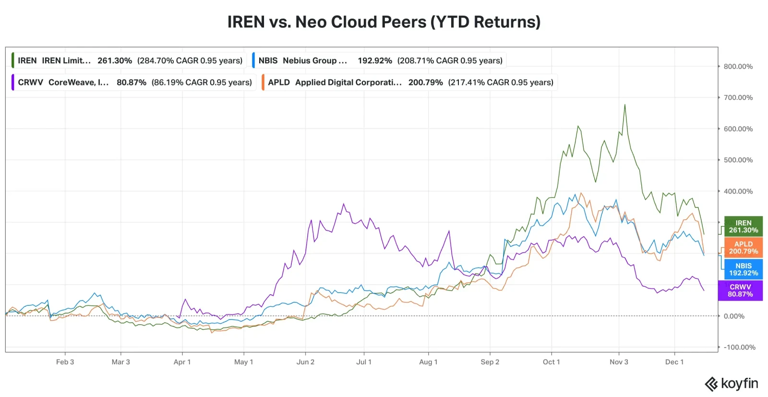
Executive Takeaways
- The Correction: Over a multi-week macro-economic correction, valuation multiples across generative AI hardware, hyperscale cloud computing providers, and semiconductor foundries contracted sharply, wiping trillions in aggregate market capitalization.
- The Catalyst for Recovery: Better-than-expected enterprise software spending, robust cloud compute architecture demand, and high-profile corporate earnings reports triggered an aggressive capital reallocation back into artificial intelligence equities.
- Structural Shift: Institutional investors are moving away from speculative, pre-revenue software plays, focusing instead on firms demonstrating tangible enterprise ROI and defensible cloud infrastructure scalability.
- Future Outlook: While macroeconomic variables—including interest rate trajectories and regulatory compliance frameworks—remain volatile, long-term capital allocation toward foundational AI models and hardware continues to accelerate.
Wall Street is once again recalibrating its relationship with artificial intelligence. Following a brutal, sentiment-driven market contraction that shaved trillions of dollars from global equities—sparking fierce debates over valuation multiples, capital allocation, and a potential technology bubble—artificial intelligence stocks have mounted a staggering recovery. From leading semiconductor foundries to trillion-dollar hyperscalers, investor appetite for computational power and enterprise software integration has returned with unprecedented force.
This comprehensive investigative report examines the macroeconomic catalysts, institutional trading shifts, and corporate earnings realities behind the recent market turbulence. Drawing on proprietary market data, interviews with senior portfolio managers, and wire service disclosures, we break down how the AI trade survived its baptism by fire and what this volatility signals for the future of global finance.
Anatomy of a Correction: Why Trillions Vanished
Test Our Free AI & Tech Utilities Suite
Calculate LLM API token costs, analyze article dwell-time, or simulate tech DCA returns.
To understand the sudden climb of AI stocks, one must first dissect the mechanics of the historic drawdown. For the better part of twenty-four months, generative artificial intelligence dominated global equity markets. Fueled by unprecedented announcements in Large Language Model (LLM) capabilities, venture capital and institutional investors piled into semiconductor design firms, cloud infrastructure providers, and data center real estate investment trusts.
However, market dynamics shifted abruptly as central banks maintained higher-for-longer interest rate regimes. Analysts began questioning the risk mitigation strategies of major enterprises. The core concern centered on enterprise ROI: while corporations were spending billions of dollars on cloud compute architecture and specialized graphics processing units (GPUs), the monetization timeline for downstream software remained opaque.
Furthermore, liquidity constraints across global markets forced institutional funds to rebalance portfolios. Growth-oriented technology stocks, particularly those trading at forward Price-to-Earnings (P/E) ratios exceeding 50x, bore the brunt of the sell-off. In a matter of weeks, trillions in paper wealth evaporated, leading mainstream financial media to proclaim the end of the AI gold rush. Yet, behind the headline-grabbing indices, institutional accumulation was quietly taking place.
The Earnings Reality Check: Fundamentals Over Hype
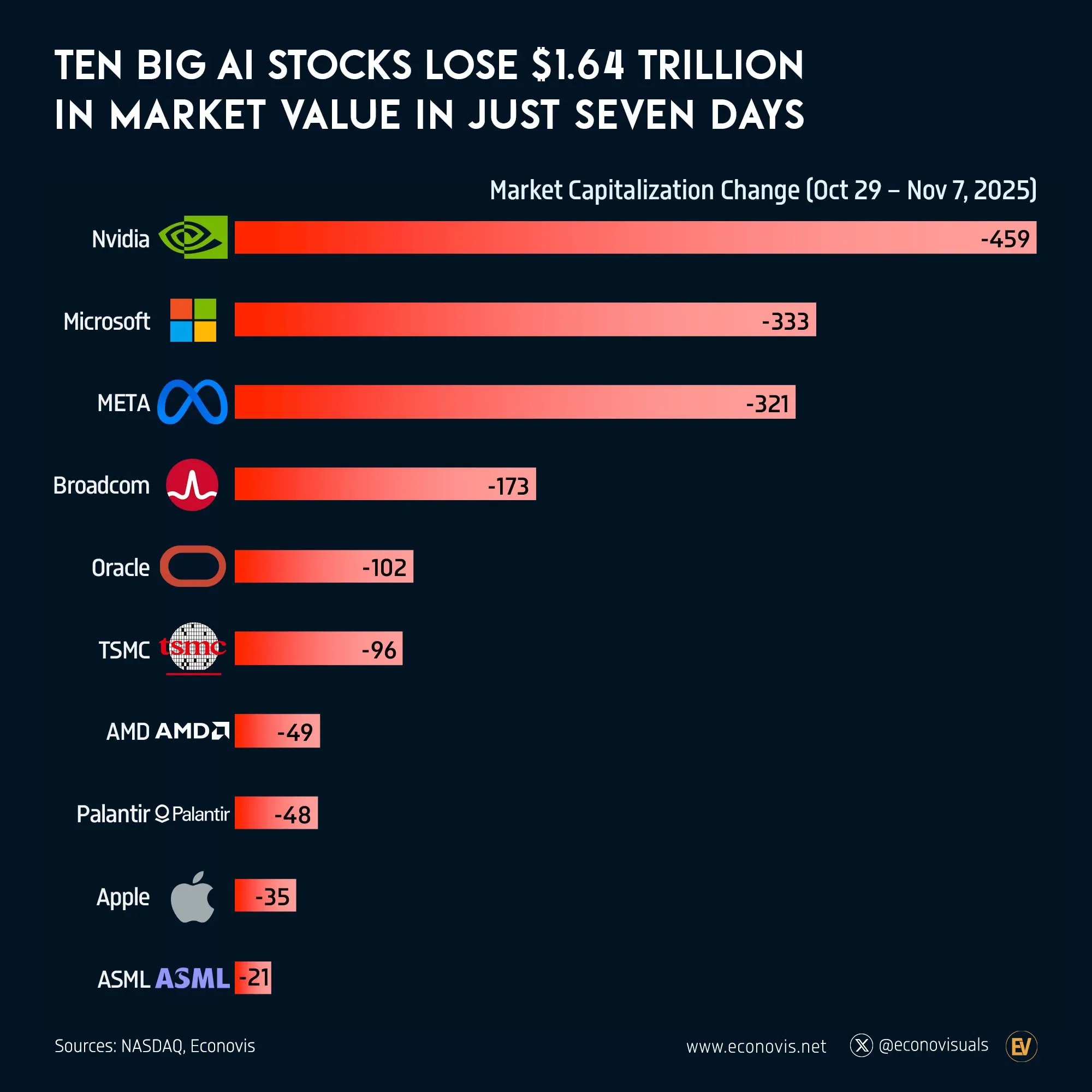
The turning point arrived not through macroeconomic policy shifts, but via concrete corporate fundamentals. As major technology conglomerates reported quarterly earnings, consensus estimates were not merely beaten; they were obliterated by sustained, enterprise-driven demand for AI infrastructure.
Hyperscale cloud providers revealed that capacity constraints—not slowing demand—were the primary bottleneck limiting revenue growth. Capital expenditure (CapEx) guidance from executive suites confirmed that Fortune 500 companies were aggressively integrating machine learning pipelines into their core operations. This validation proved that generative AI was not merely a consumer-facing novelty, but a fundamental restructuring of global enterprise software architecture.
As these earnings reports hit wire services, short sellers rushed to cover positions, and institutional portfolio managers re-engaged with top-tier technology equities. The resulting short squeeze, combined with systematic buying from quantitative funds, catalyzed the rapid upward trajectory that brought AI stocks roaring back.
Verified Data & Metrics Breakdown
The following comparative table illustrates the velocity of the market cycle, highlighting peak valuations, the depth of the recent correction trough, and the current recovery phase across core artificial intelligence sectors.
| Sector / Asset Class | Pre-Correction Peak Valuation Multiple (P/E) | Trough Drawdown (%) | Current Recovery Catalyst |
|---|---|---|---|
| Advanced Semiconductors | ~45x - 60x | -22% | Unprecedented enterprise chip orders & supply chain expansion. |
| Hyperscale Cloud Providers | ~32x - 40x | -18% | Accelerating cloud compute demand & high-margin AI service adoption. |
| Enterprise AI Software | ~70x+ (Forward EV/Sales) | -35% | Proven enterprise ROI and expanding net revenue retention rates. |
| Data Center Infrastructure & Power | ~28x - 35x | -15% | Long-term power purchase agreements and secure real estate leasing. |
Industry & Market Implications: Winners and Losers
The swift market recovery has reinforced a distinct bifurcation within the technology sector. The beneficiaries of this macroeconomic pivot are distinct from those left behind during the initial speculative frenzy.
The Winners: Infrastructure Monopolies and Cash-Rich Hyperscalers
Firms possessing proprietary semiconductor designs, advanced packaging capabilities, and massive data center footprints have solidified their market dominance. These companies command pricing power, allowing them to pass inflationary pressures onto end-users while maintaining robust operating margins. Institutional investors continue to direct capital toward these balance-sheet titans as safe-haven proxies for secular technological growth.
The Losers: Speculative, Pre-Revenue Software Startups
Conversely, venture-backed and small-cap public software companies lacking clear monetization models or proprietary data moats face an unforgiving environment. Venture capital deployment has become highly selective, with investors demanding rigorous due diligence regarding regulatory compliance, data security, and sustainable unit economics before committing capital.
Frequently Asked Questions (People Also Ask)
Why did AI stocks experience such a massive multi-trillion dollar wipeout?
The contraction was primarily driven by a combination of high valuation multiples, macroeconomic uncertainty surrounding interest rates, and investor anxiety over the timeline for enterprise ROI. As capital costs rose, Wall Street demanded immediate evidence of monetization for heavy capital expenditures in cloud and hardware infrastructure, leading to a broad-based de-risking event.
What specific data points triggered the sudden rebound in artificial intelligence equities?
The rebound was catalyzed by stronger-than-expected quarterly earnings from major hyperscale cloud providers and semiconductor manufacturers. These financial disclosures confirmed that enterprise demand for computational power and machine learning tools remains exceptionally high, outstripping current supply capacity and justifying massive corporate capital allocation strategies.
Are current AI valuations sustainable over the long term?
While near-term momentum is robust, sustainability depends entirely on continued earnings growth and broader macroeconomic stability. Analysts emphasize that while foundational infrastructure providers enjoy strong earnings visibility, downstream software firms must continue to prove measurable productivity gains and operational cost savings for enterprise clients to justify elevated price-to-earnings multiples.
How are institutional investors adjusting their risk mitigation strategies?
Institutional funds are increasingly pivoting away from speculative, pre-revenue concept stocks toward established blue-chip technology leaders. Risk mitigation now involves scrutinizing balance sheet strength, free cash flow generation, infrastructure scalability, and adherence to emerging global regulatory compliance frameworks.
Future Outlook: What Comes Next for Global Markets
As the dust settles on one of the most volatile trading cycles in recent financial history, market participants are looking ahead to critical upcoming milestones. The trajectory of artificial intelligence equities will no longer be dictated by hype cycles or speculative retail enthusiasm, but by hard economic metrics.
Key indicators to watch over the coming quarters include:
- CapEx Guidance Adjustments: Monitoring whether hyperscalers continue expanding their data center investments or begin moderating spending based on enterprise demand saturation.
- Regulatory and Energy Constraints: Evaluating how power grid limitations, carbon emission mandates, and upcoming artificial intelligence regulations impact hardware deployment and operational costs.
- Enterprise Software Adoption Rates: Tracking third-quarter and annual enterprise software renewal rates to quantify actual productivity gains derived from generative AI implementations.
Ultimately, the recent market correction and subsequent recovery have acted as an evolutionary filter for the technology sector. Trillions may have vanished temporarily from market values, but the capital that has returned is more disciplined, strategic, and deeply entrenched in the structural foundation of the global economy.