The Anatomy of a Supply Squeeze: Catalysts Behind the $116 Surge
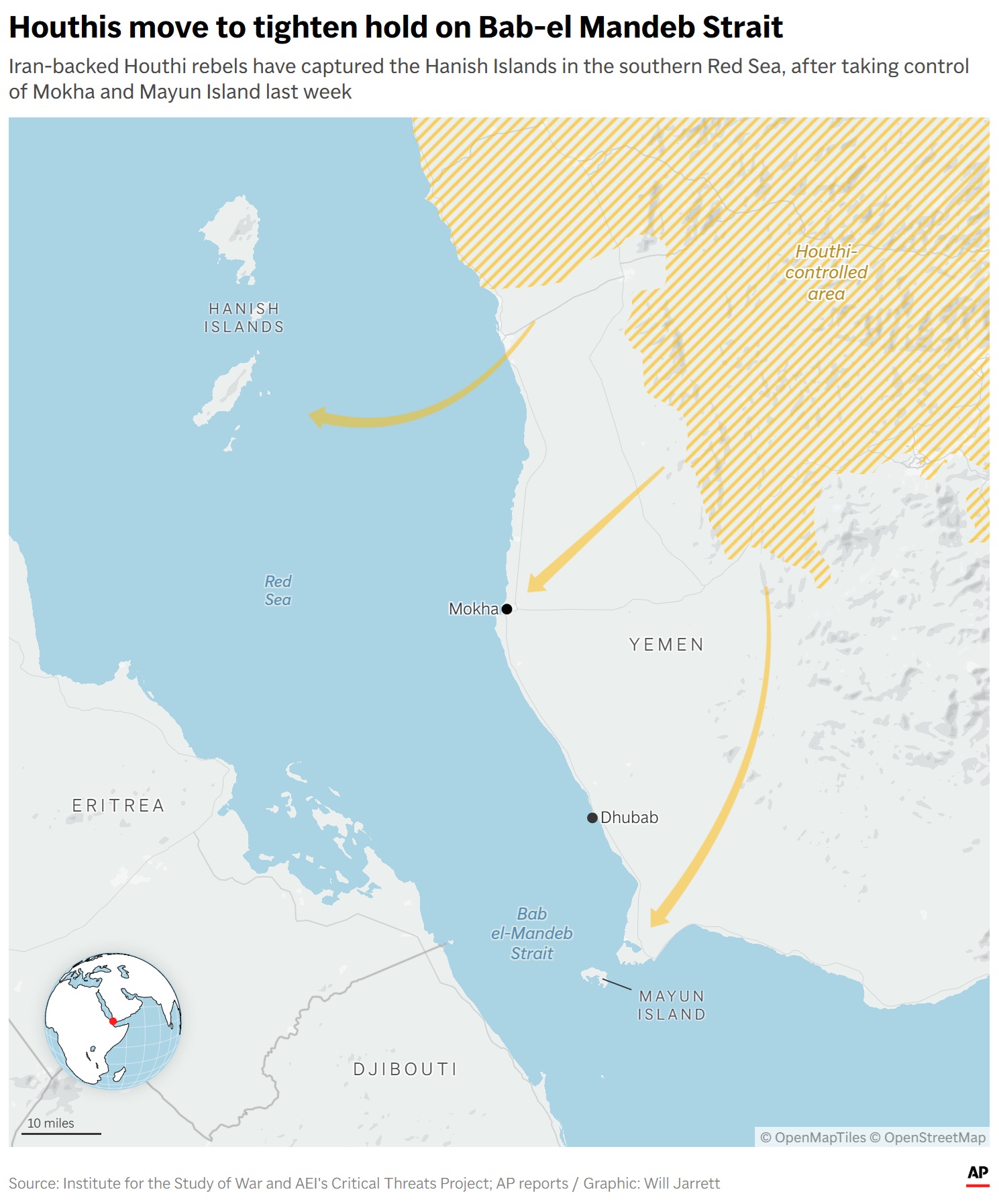
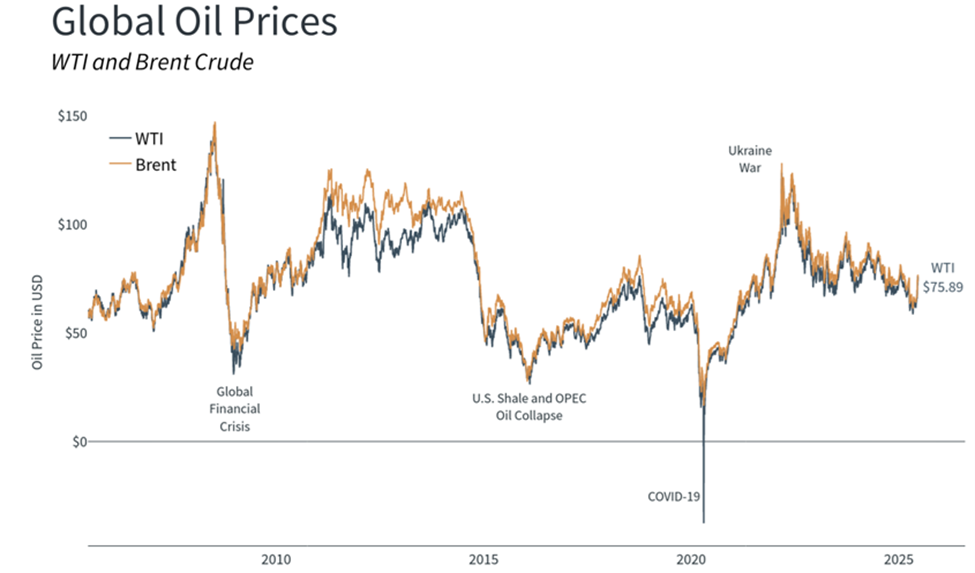
The acceleration of global oil prices to $116 a barrel represents a convergence of structural underinvestment, heightened geopolitical risk premiums, and persistent logistical bottlenecks. For months, commodities analysts at leading tier-1 investment banks have warned that spare production capacity among major exporting nations was dangerously thin. Those warnings crystallized this week as unexpected supply disruptions collided with resilient seasonal demand.
Market liquidity has evaporated in key futures contracts, exacerbating intraday volatility. Corporate risk committees are currently reviewing their exposure as energy input costs cascade through global supply chains. For enterprise operations heavily reliant on diesel, jet fuel, and petrochemical feedstocks, this sudden valuation shift demands an immediate recalculation of operating margins and infrastructure scalability plans.
Financial Market Impact: Valuation Multiples and Sector Dispersion

The equities market has reacted swiftly to the energy shock. While upstream exploration and production (E&P) firms are enjoying windfall cash flows and robust valuation multiples, downstream consumers—particularly in the aviation, logistics, and manufacturing sectors—are absorbing severe margin compression.
Chief Financial Officers across industrial manufacturing are finding their capital allocation strategies severely tested. Operational expenditures are ballooning, forcing management teams to defer non-essential enterprise investments and prioritize balance sheet resilience. In parallel, quantitative hedge funds and algorithmic trading desks are rapidly redeploying capital into commodities, driving further upward momentum in futures pricing structures.
Verified Data & Metrics Breakdown
| Metric / Indicator | Current Value ($ / % Change) | Previous Baseline (April Peak) | Market Implication |
|---|---|---|---|
| Brent Crude Benchmark | $116.42 / +4.8% | $112.10 | Direct squeeze on European and Asian import parity. |
| WTI Futures Contract | $115.80 / +5.1% | $109.85 | Heightened domestic refinery utilization demands. |
| Global Spare Capacity | < 1.8 Million Barrels/Day | 2.4 Million Barrels/Day | Zero buffer against sudden geopolitical shocks. |
| Refining Crack Spreads | +32.4% MoM | +21.0% MoM | Surging retail fuel and jet kerosene costs. |
Industry & Market Implications: Winners and Losers
The economic fallout of oil sustaining or exceeding $116 per barrel is profound, creating stark divergences across global industry verticals:
- The Winners: Upstream energy producers, offshore drilling contractors, oilfield services conglomerates, and alternative energy developers (who gain structural cost competitiveness). Energy-exporting sovereign entities also experience substantial fiscal inflows.
- The Losers: Commercial airlines, global container shipping lines, chemical manufacturers, and consumer discretionary sectors. These entities face compressed operating margins and must pass increased transportation overhead down to end consumers, risking demand destruction.
- Macroeconomic Toll: Import-dependent emerging market economies face severe current account deficits, currency depreciation, and imported inflation, complicating domestic monetary policy responses.
Frequently Asked Questions (People Also Ask)
Why did global oil prices surge to $116 a barrel right now?
The price surge is driven by a combination of critically low global spare production capacity, unexpected supply chain disruptions in key exporting regions, and speculative capital inflows as commodity trading desks price in heightened geopolitical risk premiums.
How does an oil price of $116 impact global inflation and central bank policies?
High crude prices directly elevate transportation, manufacturing, and energy input costs, translating into sticky headline inflation. This complicates central bank mandates, increasing the likelihood that interest rates will remain higher for longer to tame consumer price indices.
Which corporate sectors face the highest risk of margin compression?
Airlines, logistics providers, container shipping lines, and heavy manufacturing firms face severe headwinds. These asset-heavy sectors struggle to immediately pass skyrocketing fuel and energy costs onto end customers without triggering demand contraction.
What risk mitigation tools are institutional treasurers deploying?
Corporations are aggressively locking in forward hedge contracts, optimizing operational logistics, adjusting inventory holding thresholds, and reviewing capital expenditure frameworks to protect enterprise cash flows and ROI.
Future Outlook: What Comes Next and Key Milestones to Watch
As the market digests the implications of $116 oil, executive leadership must maintain rigorous vigilance. Over the next quarter, market participants will monitor three critical catalysts: upcoming ministerial policy meetings regarding production quotas, macroeconomic data releases detailing consumer demand resilience, and inventory data reports from major strategic petroleum reserves.
Should spare capacity remain constrained and geopolitical tensions fail to de-escalate, analysts warn that testing higher resistance ceilings remains a distinct probability. Enterprise risk management, agile supply chain architecture, and disciplined capital allocation will separate market leaders from laggards in this volatile macroeconomic environment.