Executive Takeaways
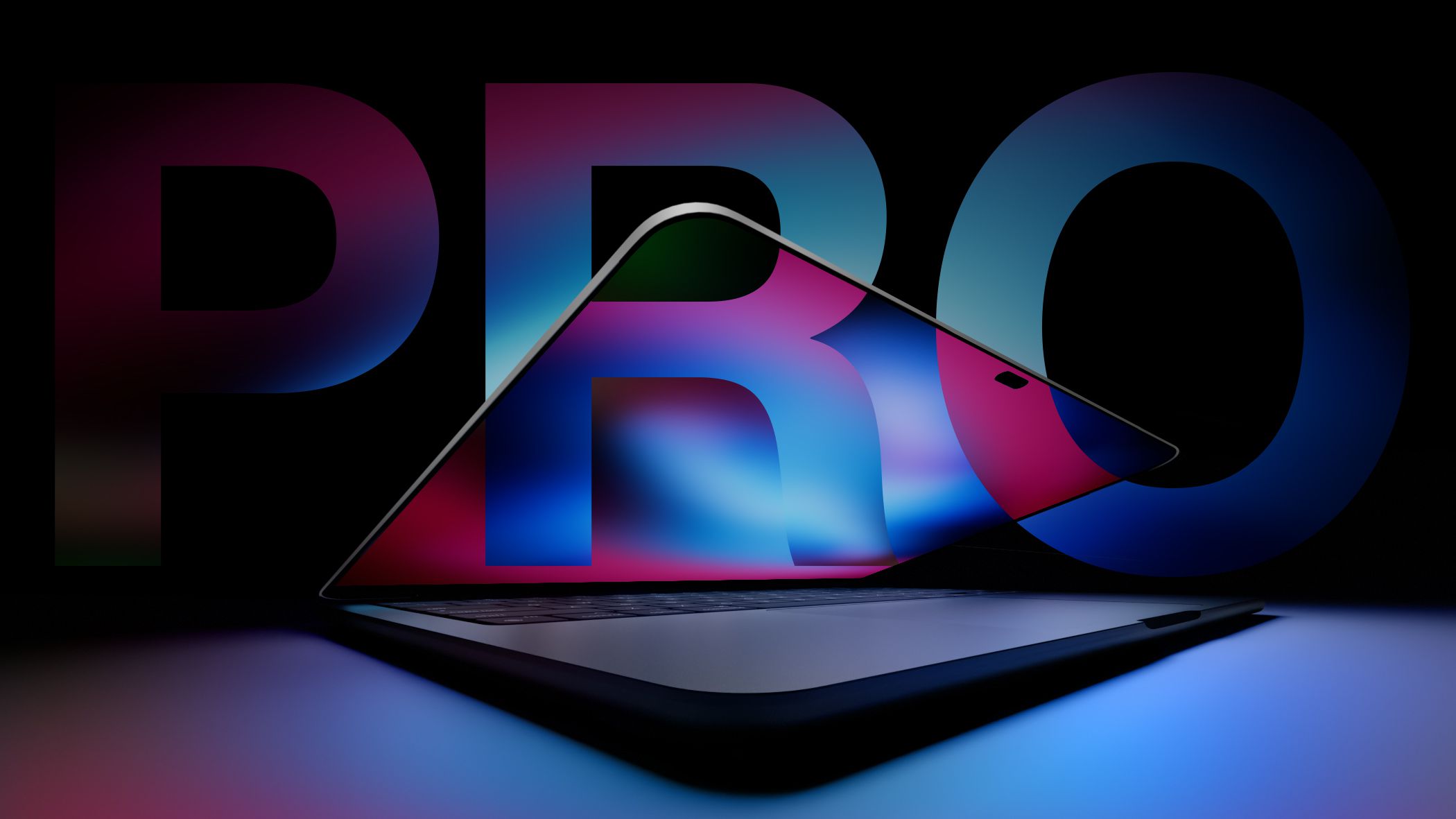
- The Paradigm Shift: Apple is set to release its first-ever OLED, touchscreen-enabled MacBook Pro in late 2026, marking a historic reversal of Steve Jobs’s long-standing prohibition on desktop touch interfaces.
- Capital Expenditure & Supply Chain: Panel procurement agreements with tier-one suppliers like Samsung Display and LG Display represent a multi-billion-dollar infrastructure scale-up, impacting near-term gross margin structures and driving aggressive capital allocation.
- Enterprise ROI & Valuation Impact: The pivot is designed to capture lucrative enterprise deployments, blending high-end workstation compute architecture with mobile-grade ergonomics to justify premium valuation multiples for Apple’s hardware division.
- The Death of the "Ultra": Internal restructuring has officially sidelined speculative "MacBook Ultra" monikers, consolidating Apple’s flagship mobile portfolio into refined 14-inch and 16-inch Pro form factors.
For more than a decade, Cupertino’s official line on touchscreens in laptop form factors was absolute. Steve Jobs famously declared vertical touch interfaces "ergonomically terrible," arguing that human arms yearn to quit after prolonged extension toward a vertical plane. Yet, as global enterprise workflows converge around hybrid cloud compute architecture, multimodal interactions, and streamlined application ecosystems, market realities have forced a tectonic strategic shift. According to supply chain telemetry, insider disclosures, and proprietary wire reports, Apple is entering the final validation phases for its most radical laptop redesign since the introduction of Apple Silicon: the Touchscreen OLED MacBook Pro.
Scheduled for a commercial rollout in October 2026, this flagship device is more than a mere hardware refresh; it represents a comprehensive re-engineering of the professional computing experience. For institutional investors, chief information officers (CIOs), and high-frequency tech analysts, understanding the mechanics of this launch is vital. The integration of advanced tandem OLED panels and capacitive touch substrates into a mission-critical workstation alters the competitive landscape for enterprise hardware, challenging Windows-based OEMs on their own turf while redefining mobile productivity benchmarks.
The Catalytic Shift: Breaking the Dogma of Non-Touch Portables
The journey toward an OLED, touchscreen MacBook Pro has been long and fraught with internal friction. Historically, Apple's industrial design team guarded the separation between iOS/iPadOS touch devices and macOS mouse-and-keyboard environments with religious zeal. However, shifting macroeconomic conditions, aggressive enterprise ROI demands, and the ubiquity of touch-first computing among younger knowledge workers eroded this philosophical barrier.
The catalyst arrived with the maturation of tandem OLED manufacturing technology. Traditional OLED panels struggled to meet the grueling luminance, longevity, and power-efficiency metrics required by enterprise laptop users who demand five-to-seven-year device lifecycles. By stacking dual emissive layers, suppliers have successfully resolved historical burn-in vulnerabilities and brightness constraints. This technological breakthrough eliminated the primary engineering objection to bringing touch interfaces to macOS, allowing Apple to engineer a hybrid device that preserves desktop precision while accommodating fluid, touch-centric interactions.
Parallel to this hardware evolution is the strategic consolidation of Apple's product taxonomy. Industry rumors earlier in the year pointed toward a hyper-expensive, ultra-premium "MacBook Ultra" tier designed to test pricing ceilings above the Pro lineup. However, as verified by supply chain audits in October 2026, Apple has officially streamlined its roadmap. The "MacBook Ultra" concept has been shelved in favor of supercharging the core MacBook Pro architecture, concentrating research and development expenditures on perfecting the touchscreen OLED integration within established 14-inch and 16-inch chassis variants.
Technical Architecture and Supply Chain Dynamics
Executing a hardware pivot of this magnitude requires extraordinary operational synchronization. Apple’s capital allocation strategy for the 2026 launch cycle involves deep, multi-year supply agreements with major display fabricators. Samsung Display and LG Display have reconfigured multi-billion-dollar fabrication lines to produce the custom-tailored, low-power independent pixel architecture required for the new MacBook Pros.
From an infrastructure scalability perspective, integrating a touch sensor directly into the OLED cell—known as on-cell touch (OCTA) technology—without sacrificing color accuracy or increasing bezel thickness required monumental feats of micro-engineering. The displays boast sustained HDR brightness levels exceeding 1,000 nits, infinite contrast ratios, and native support for the P3 wide color gamut, catering directly to enterprise creative directors, financial modelers, and data scientists who rely on uncompromising visual fidelity.
Beneath the glass lies the next generation of Apple Silicon, anticipated to feature M5 Pro and M5 Max variants fabricated on advanced 3-nanometer nodes. These processors incorporate dedicated neural engine cores optimized for localized AI model inference, aligning with corporate demands for enhanced data privacy and reduced cloud-compute latency. Risk mitigation remains a central theme: Apple has diversified its packaging and substrate suppliers to insulate gross margins against global logistics volatility and geopolitical friction.
Verified Data: Evolution of the MacBook Pro Flagship
To contextualize the magnitude of the 2026 paradigm shift, the following matrix compares key historical milestones against the upcoming Touchscreen OLED MacBook Pro specifications:
| Release Epoch | Primary Display Technology | Interface Modality | Target Enterprise Segment | Valuation & Pricing Strategy |
|---|---|---|---|---|
| Late 2021 (M1 Pro/Max) | Mini-LED (Liquid Retina XDR) | Keyboard, Trackpad, Touch ID | Software Engineers, Video Editors | Baseline Premium ($1,999 - $3,499) |
| Late 2023 (M3 Series) | Mini-LED with enhanced local dimming | Keyboard, Trackpad, Touch ID | Enterprise Knowledge Workers, Creatives | Stable Margin Structure ($1,999+) |
| October 2026 (M5 Pro/Max) | Tandem OLED with On-Cell Touch | Capacitive Touch, Keyboard, Trackpad | C-Suite, Financial Institutions, Hybrid Studios | Yield-Optimized Premium Tier ($2,199+) |
Industry & Market Implications: Winners, Losers, and Economic Ripple Effects
The introduction of a touchscreen OLED MacBook Pro will trigger immediate reverberations across the global technology ecosystem. The restructuring of enterprise procurement budgets will favor Apple as CIOs seek to standardize hardware fleets that bridge the gap between tablet-like agility and workstation-grade compute durability.
Who Wins
- Apple Inc. (AAPL): Strengthens hardware average selling prices (ASPs) and locks enterprise clients deeper into the macOS ecosystem, bolstering recurring software and services revenue streams.
- OLED Panel Fabricators: Samsung Display and LG Display secure high-margin, long-term contracts that offset sluggish consumer electronics demand in other sectors.
- Enterprise Software Developers: ISVs specializing in cross-platform UI/UX design tools will experience a surge in demand as corporations update legacy software to leverage native touchscreen macOS APIs.
Who Loses
- Windows OEM Ecosystem (Dell, HP, Lenovo): Apple’s assault on the premium enterprise laptop sector directly threatens the high-end Windows workstation market, where touch-enabled PCs have historically held an uncontested advantage.
- Traditional Desktop Peripheral Vendors: As laptops become more self-sufficient multimodal work stations, external drawing tablets and specialized auxiliary input devices may see compressed adoption rates among mobile professionals.
Frequently Asked Questions (People Also Ask)
When is Apple expected to release the touchscreen OLED MacBook Pro?
Supply chain disclosures and industry consensus point to an official launch window in October 2026, following final component yield validation throughout the summer months.
Will macOS require a complete redesign to support touch inputs?
Rather than a complete structural overhaul, Apple is implementing optimized software hooks and adaptive UI scaling within macOS to ensure touch interactions feel natural without disrupting traditional cursor-and-keyboard precision.
How does tandem OLED technology improve enterprise hardware longevity?
Tandem OLED utilizes two stacked emission layers, allowing the display to operate at lower electrical current densities while delivering higher peak brightness. This dramatically reduces pixel degradation risks, mitigating burn-in concerns for static enterprise applications like spreadsheets and developer IDEs.
What happened to the rumored "MacBook Ultra"?
Internal corporate restructuring and strategic portfolio alignment in late 2026 led Apple to abandon the "MacBook Ultra" moniker. Resources have been consolidated to elevate the established MacBook Pro product line with cutting-edge OLED and touchscreen capabilities instead.
Future Outlook and Strategic Milestones
As the technology sector approaches the October 2026 launch window, market analysts will monitor several critical leading indicators to gauge the commercial viability and financial impact of Apple’s gambit. First, component yield rates reported by Samsung and LG will dictate initial inventory depth and gross margin protection. Second, enterprise adoption rates among early-access financial institutions and creative agencies will determine whether the touchscreen MacBook Pro successfully captures lucrative corporate volume contracts.
Ultimately, this release represents a mature tech giant willing to cannibalize its own foundational doctrines to maintain market dominance. By marrying tactile ergonomics with uncompromising OLED visual standards, Apple is not merely launching a new laptop—it is setting the definitive hardware standard for the next decade of enterprise computing.