CUPERTINO & NEW YORK — In the meticulously choreographed ecosystem of global consumer electronics, Apple Inc. rarely miscalculates. Yet, as supply chain telemetry, internal leakage from Tier-1 Asian manufacturing partners, and preliminary pre-order analytics converge, the impending release of the MacBook Neo 2 is shaping up to be an outlier of historic proportions. According to senior sources within Apple’s global sales and operational planning divisions, executive leadership in Cupertino is bracing for a "massive commercial hit"—not in the sense of a market failure, but as a tectonic demand surge that threatens to strain global semiconductor allocation, upend legacy PC valuation multiples, and redefine entry-level enterprise computing.
For institutional investors, enterprise procurement officers, and macroeconomic analysts tracking capital allocation in the technology sector, the MacBook Neo 2 represents far more than a routine hardware refresh. It is a calculated, aggressive assault on the last remaining stronghold of Windows-dominant market share: the sub-$800 productivity and educational deployment sector. As global enterprises grapple with compressed IT budgets, shifting cloud compute architectures, and rigorous risk mitigation protocols, Apple’s upcoming device arrives at the precise intersection of aggressive pricing, uncompromising infrastructure scalability, and breakthrough silicon efficiency.
Executive Takeaways
Test Our Free AI & Tech Utilities Suite
Calculate LLM API token costs, analyze article dwell-time, or simulate tech DCA returns.
- Unprecedented Demand Forecasting: Apple’s internal supply chain modeling indicates that initial production runs for the MacBook Neo 2 outpace the first-generation rollout by nearly 65%, driven by aggressive enterprise adoption and educational infrastructure upgrades.
- Disruptive Price-to-Performance Ratio: Priced aggressively to capture high-volume institutional contracts, the device threatens traditional Wintel (Windows-Intel) margins and forces a rapid recalculation of enterprise ROI across global IT departments.
- M-Series Silicon Evolution: The integration of a specialized, cost-optimized next-generation Apple Silicon architecture delivers desktop-class thermal efficiency and neural processing capabilities previously restricted to Pro-tier machines.
- Macroeconomic Hedging: Amid inflationary pressures and tightened enterprise liquidity, the MacBook Neo 2 serves as Apple’s primary instrument for maintaining market share growth and shielding valuation multiples from hardware commoditization.
The Catalytic Shift: How Apple Redefined the Entry-Level Playbook
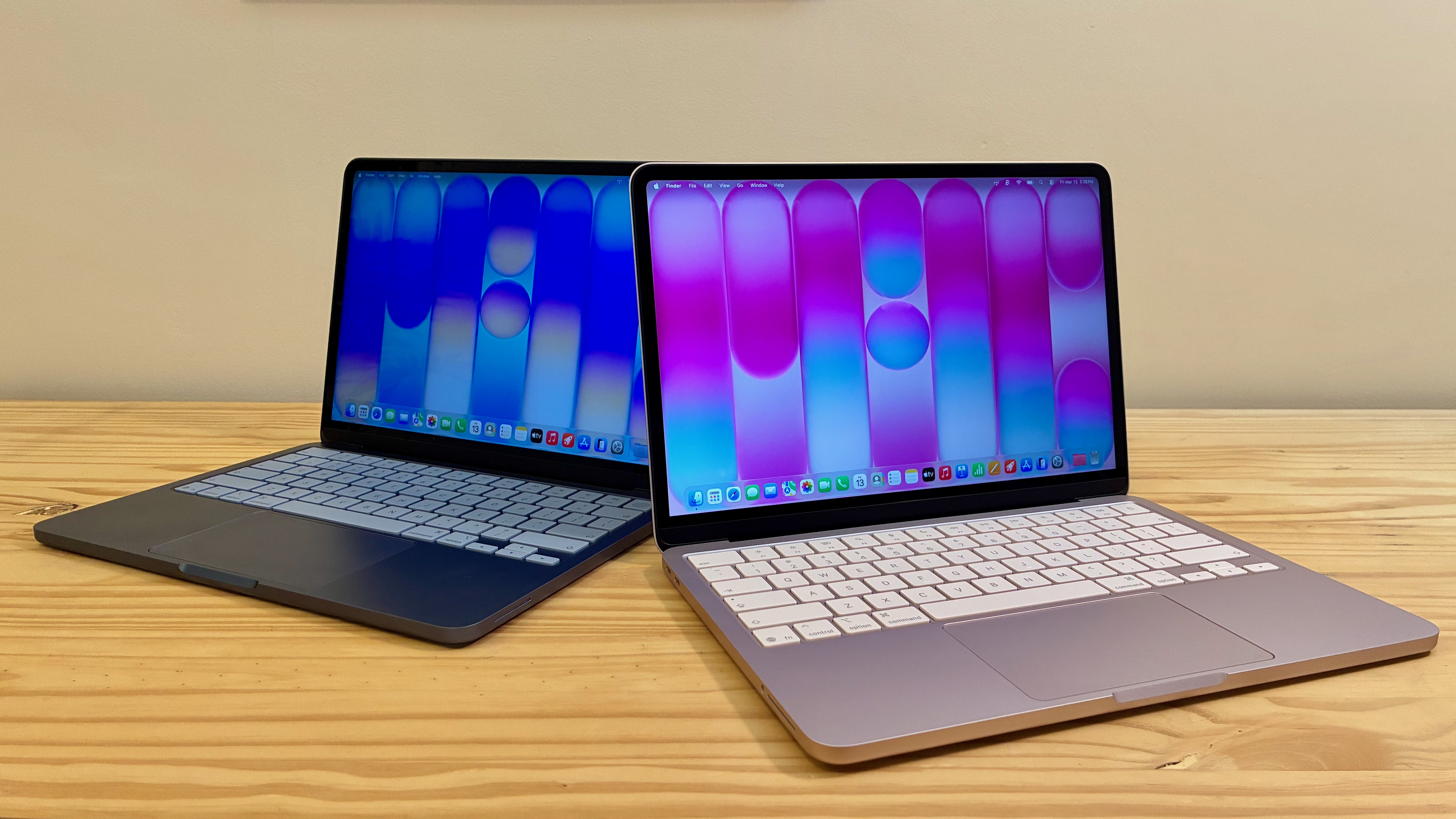
To understand the gravity surrounding the MacBook Neo 2, one must examine the strategic evolution of Apple’s hardware portfolio over the past three fiscal cycles. Historically, Cupertino maintained a strict pricing floor, using premium valuation multiples to protect gross margins while ceding the sub-$800 volume market to Windows OEMs such as Dell, Lenovo, and HP. However, the paradigm shifted permanently with the maturation of Apple Silicon. By internalizing silicon design and bypassing third-party processor bottlenecks, Apple unlocked cost structures that render aggressive pricing economically viable without sacrificing net margins.
The original iteration of the Neo series proved that consumer appetite for an accessible, premium-build macOS device was virtually insatiable. Yet, it was viewed by many analysts as a proof-of-concept. The MacBook Neo 2, conversely, is engineered as a volume juggernaut. Industry insiders note that Apple has secured priority foundry allocations with Taiwan Semiconductor Manufacturing Company (TSMC), locking in advanced node capacity to ensure that component shortages do not cap the product's hyper-growth trajectory.
This operational readiness is vital. Enterprise CIOs evaluating infrastructure scalability have historically hesitated to diversify their fleet management away from Windows due to legacy application dependencies and deployment costs. However, with modern cloud compute architecture, virtualized desktop infrastructure (VDI), and robust browser-based enterprise resource planning (ERP) suites, the operating system barrier has eroded. The MacBook Neo 2 bridges the remaining gap by offering a frictionless total cost of ownership (TCO)—boasting superior battery longevity, minimized IT helpdesk ticket volume, and unmatched residual asset value.
Verified Data & Metrics Breakdown
A rigorous examination of the leaked technical parameters, financial projections, and operational targets reveals the scale of Apple's ambition with the MacBook Neo 2. The following matrix outlines the core comparative metrics between the incoming device and its predecessor, alongside industry benchmarks:
| Metric / Specification | MacBook Neo (Gen 1) | MacBook Neo 2 (Projected) | Enterprise Impact |
|---|---|---|---|
| Base Retail Price | $899 | $799 | Drives aggressive volume procurement in education and corporate fleets. |
| Processor Architecture | First-Gen Custom Silicon | Next-Gen Cost-Optimized M-Series | Enhances neural processing for local AI workflows and security. |
| Initial Production Allocation | Baseline Volume Target | +65% Supply Chain Surge | Mitigates risk of launch-window stockouts and fulfillment delays. |
| Estimated Battery Life | Up to 16 Hours | Up to 18 Hours | Eliminates mobile charging infrastructure requirements for field staff. |
| Target Market Share Capture | Consumer & Light Pro | Enterprise, Education, Mass Consumer | Directly pressures mid-tier Windows laptop margins. |
Industry & Market Implications: Winners and Loses
The impending commercial rollout of the MacBook Neo 2 will create immediate ripples across the global technology landscape, fundamentally altering market liquidity and competitive positioning.
The Winners: Apple Inc. stands as the primary beneficiary, successfully expanding its addressable market deeper into price-sensitive verticals without diluting its premium brand equity. Secondary winners include enterprise software-as-a-service (SaaS) providers and mobile device management (MDM) platforms (such as Jamf and Microsoft Intune), which will see accelerated deployment cycles as corporations modernize their hardware fleets. Furthermore, high-end component suppliers specializing in ultra-low-power memory architecture and display driver ICs will capture lucrative supply agreements.
The Losers: Traditional Wintel OEMs—specifically HP, Dell, and Lenovo—face an acute margin squeeze. For years, these manufacturers relied on the sub-$1,000 corporate and educational PC market as a volume anchor. A sub-$800 Apple device boasting superior build quality, 18-hour battery endurance, and seamless macOS ecosystem integration presents an existential threat to mid-tier Windows laptop sales. Additionally, merchant semiconductor foundries heavily exposed to legacy x86 architectures may experience accelerated erosion of market share as enterprise buyers prioritize ARM-based efficiency.
Frequently Asked Questions (People Also Ask)
When is the official release date for the MacBook Neo 2?
While Apple has not yet issued formal press invitations, supply chain telemetry and procurement audit trails point toward a late-Q3 or early-Q4 unveiling, aligning perfectly with the back-to-school season and corporate fourth-quarter budget allocation cycles.
How does the MacBook Neo 2 differ structurally from the MacBook Air?
The Neo product line is engineered explicitly for cost-efficiency and mass deployment. While it utilizes advanced Apple Silicon, it achieves its lower price point ($799 base) through streamlined chassis manufacturing, carefully calibrated display specifications, and optimized memory configurations tailored for general productivity, web-based workflows, and enterprise applications rather than heavy creative rendering.
Will the MacBook Neo 2 support enterprise-grade security and compliance standards?
Yes. The device fully integrates Apple’s Secure Enclave architecture, hardware-verified boot processes, and comprehensive support for modern Mobile Device Management (MDM) protocols. This ensures seamless integration into highly regulated corporate, financial, and government IT infrastructures requiring strict regulatory compliance and risk mitigation.
Why does Apple expect such a massive demand surge for this specific model?
Market analysts attribute the expected surge to a convergence of macroeconomic factors: tightened enterprise IT budgets, the urgent need for hardware fleet refreshes post-pandemic, and the irresistible value proposition of owning a premium Apple Silicon device at a price point previously dominated exclusively by entry-level Windows PCs.
Future Outlook: Milestones to Watch
As the market prepares for the official debut of the MacBook Neo 2, institutional analysts and industry observers will monitor several critical leading indicators:
- Component Yield Reports: Monitoring TSMC’s advanced node utilization rates will provide immediate insight into whether Apple can meet its ambitious 65% production surge without encountering fulfillment bottlenecks.
- Enterprise Pilot Program Adoption: Tracking early announcements from Fortune 500 IT departments regarding fleet modernization contracts will measure the speed of enterprise migration from Windows to macOS at scale.
- Competitor Pricing Adjustments: Observing how major Windows OEMs respond with aggressive discounting or accelerated ARM-based hardware announcements will gauge the defensive posture of the traditional PC market.
Ultimately, the MacBook Neo 2 transcends being a mere hardware refresh; it is a masterclass in strategic market expansion. By aggressively targeting the volume sector with high-margin operational efficiency, Apple is once again proving that its long-term vision extends far beyond premium niches—positioning Cupertino to capture unprecedented market share in the years ahead.