The Capital Re-Pricing: Inside the Structural Forces Driving the Global Rise in Long-Term Interest Rates
Executive Takeaways
- Real Drivers Over Institutional Collapse: Groundbreaking empirical analysis from European think tank Bruegel reveals that the global surge in long-term bond yields is primarily propelled by expanding private investment demand and increased sovereign debt issuance, rather than a fundamental breakdown in U.S. monetary, fiscal, or financial institutions.
- The Triad of Structural Capital Competition: Massive capital allocation toward generative AI infrastructure scalability, global supply chain nearshoring, and the green energy transition is competing directly for pool capital, pushing real risk-free rates structurally higher.
- Term Premium Recalibration: Bond markets are reintroducing a structural term premium as central banks unwind balance sheets through Quantitative Tightening (QT), forcing sovereign issuers to clear debt auctions at market-driven real yields.
- Corporate Valuation Multiples Under Pressure: Higher long-term discount rates are shifting corporate capital allocation priorities from speculative long-duration growth toward near-term operational efficiency, compressing equity valuation multiples across enterprise technology and real estate sectors.
The Great Yield Shift: Unpacking the Global Real Yield Surge
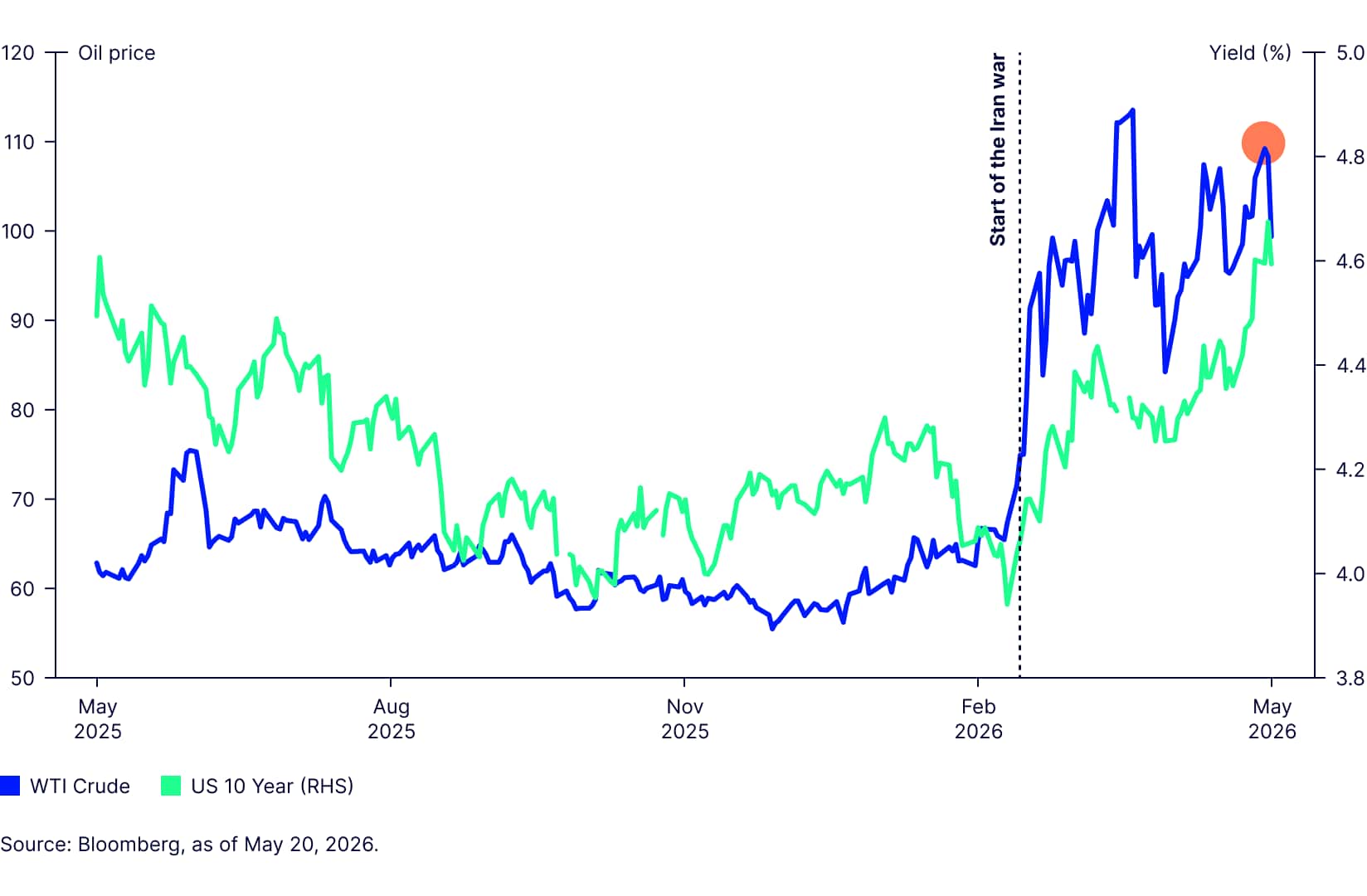
For more than a decade following the 2008 Global Financial Crisis, global capital markets operated under a regime of compressed cost of capital. Zero Interest Rate Policies (ZIRP) and expansive central bank balance sheets created an era of asset-price expansion, low hurdle rates, and artificially suppressed term premia. Today, that structural regime has ended. Long-term sovereign bond yields across the United States, Eurozone, Japan, and the United Kingdom have experienced a persistent, synchronized upward shift, fundamentally resetting the cost of capital across global financial markets.
A widespread narrative across market commentators has attributed this phenomenon to institutional decay—specifically, fears over a systemic breakdown in U.S. monetary policy credibility, unsustainable fiscal trajectories, or waning confidence in Western financial architecture. However, an exhaustive empirical analysis published by economic think tank Bruegel demonstrates that this institutional breakdown hypothesis is largely incorrect. Instead, the global rise in long-term interest rates is driven by tangible economic fundamentals: a powerful convergence of structural investment demand, an expanding supply of sovereign securities, and the normalization of market-driven term premia.
Understanding this transition requires looking beyond short-term central bank benchmark rates. While official short-term interest rates respond to cyclical inflation dynamics, long-term yields (such as the 10-year and 30-year sovereign benchmark bonds) reflect deep-seated structural expectations regarding capital demand, fiscal supply, real economic returns, and long-horizon inflation expectations. As global yield curves steepen, enterprise executives, institutional portfolio managers, and treasury teams must adapt to a financial environment where capital is no longer free, but scarce and selectively deployed.
The Triad of Long-Term Yield Expansion: Investment, Supply, and Term Premia
1. Explosive Investment Demand: Technology, Energy, and Defense
The primary real-economy engine behind rising long-term yields is an unprecedented, simultaneous capital expenditure cycle occurring across multiple global sectors. Unlike the post-2008 recovery, which was marked by corporate balance sheet deleveraging and underinvestment, the current macro landscape features robust global investment demand competing for international capital pools.
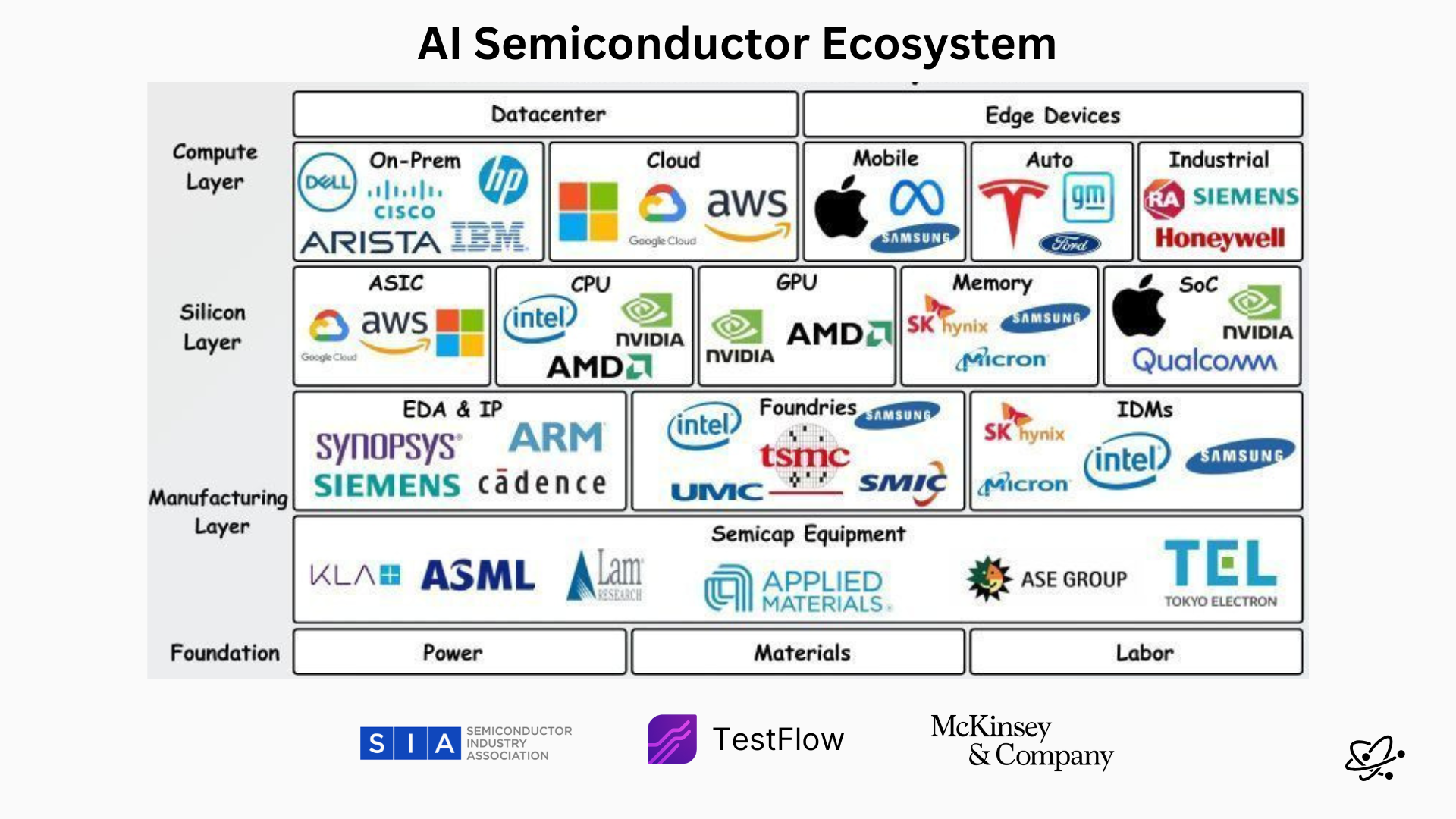
First, the global technology sector is undergoing an infrastructure buildout centered on artificial intelligence and cloud compute architecture. The capital deployment required for data center footprint expansion, specialized semiconductors, power generation, and thermal management infrastructure is running into hundreds of billions of dollars annually. Global enterprises are prioritizing high-tech infrastructure scalability, driving elevated demand for corporate debt and project finance.
Second, the global energy transition and structural supply chain re-shoring (nearshoring and friend-shoring) require vast physical capital outlay. Upgrading electrical grids, constructing localized advanced manufacturing plants, and ensuring strategic mineral security demand long-duration capital allocation. Finally, escalating geopolitical tensions have forced G7 and NATO member states to structurally increase long-term defense expenditures. These physical capital investments increase the neutral real interest rate ($r^*$), elevating the equilibrium yield on long-dated capital.
2. Sovereign Bond Supply Gluts and Fiscal Deficits
On the supply side, national treasuries are issuing unprecedented volumes of sovereign debt to finance persistent fiscal deficits. Post-pandemic economic stimulus, demographic expenditures, industrial policy spending (such as the U.S. CHIPS Act and Inflation Reduction Act), and higher net interest payments have anchored government deficits well above historical non-recessionary averages.
Primary debt markets are absorbing record supply. The sheer volume of treasury auctions requires market clearing prices that accommodate private sector balance sheets. When sovereign debt supply rises faster than net global savings growth, bond prices adjust downward, sending yields upward across maturities. This fiscal dynamic is not unique to the United States; major European economies and Japan are similarly issuing vast debt volumes, creating a synchronized global yield repricing.
3. The Return of the Term Premium and Central Bank Balance Sheet Unwinding
Perhaps the most critical technical driver of the global bond market yield shift is the resurgence of the term premium—the extra compensation required by investors to hold a long-term bond rather than rolling over short-term bills. During the Quantitative Easing (QE) era, central banks operated as price-insensitive price-setters, absorbing massive quantities of long-dated government debt and driving the term premium into negative territory.
As central banks transition to Quantitative Tightening (QT), balance sheets are shrinking. The price-insensitive buyer has stepped back, leaving price-sensitive private investors, sovereign wealth funds, and global asset managers to clear debt auctions. These private buyers demand a positive term premium to absorb duration risk, inflation uncertainty, and fiscal supply shocks. Consequently, long-term rates have risen independent of near-term rate-cut cycles by monetary authorities.
Verified Empirical Breakdown: Global Yield Trajectories & Fiscal Dynamics
To analyze the structural nature of this shift, the following table illustrates the multi-year transformation across major global financial jurisdictions, comparing benchmark 10-year sovereign yields, structural term premia shifts, net debt supply, and enterprise capital expenditure growth.
| Economic Region | 10-Year Sovereign Yield (2020 Era Low) | 10-Year Sovereign Yield (Current / Baseline) | Estimated Term Premium Shift (bps) | Fiscal Deficit (% of GDP) | Core Enterprise Capex Driver |
|---|---|---|---|---|---|
| United States (US Treasury) | 0.52% | 4.25% - 4.65% | +185 bps | 6.4% | Cloud Compute, Generative AI, Re-shoring |
| Eurozone (German Bund) | -0.84% | 2.35% - 2.70% | +140 bps | 3.2% | Green Energy Transition, Power Grid Infrastructure |
| United Kingdom (UK Gilt) | 0.08% | 4.10% - 4.45% | +195 bps | 4.5% | Defense, Transport Systems, Infrastructure |
| Japan (Japanese Government Bond) | -0.15% | 0.95% - 1.25% | +110 bps | 3.8% | Semiconductor Fabrication, Automation, Energy Security |
Industry & Market Implications: Corporate Winners, Losers, and Capital Allocation
The structural repricing of risk-free rates cascades through every layer of the global financial system. The higher baseline for long-term yields alters fundamental enterprise ROI calculations, M&A strategy, equity valuation multiples, and overall financial engineering.
Enterprise Tech and High-Growth Capital Allocation
During the zero-interest rate period, tech companies relied on discounted long-horizon cash flow models that justified elevated valuation multiples. In a 4.5%+ 10-year yield regime, the present value of distant earnings drops significantly. High-growth enterprises must now prove clear unit economics, short paybacks on investment, and strict regulatory compliance around operational expenditure. Capital expenditure on cloud compute infrastructure must demonstrate immediate enterprise ROI, leading technology firms to focus on core operational profitability rather than speculative, unmonetized technology moonshots.
Commercial Real Estate and Private Credit Stress
Sectors highly reliant on cheap duration, such as commercial real estate (CRE) and leveraged private equity, face direct refinancing risks. CRE debt booked during peak ZIRP levels must now be refinanced at significantly elevated interest rate floors, compressing debt service coverage ratios (DSCR). Asset valuations in commercial real estate must write down values to reflect higher capitalization rates (cap rates). Conversely, private credit managers with flexible capital allocation models are positioned to capture high risk-adjusted interest income, offering structured debt solutions at historically high yields while maintaining conservative loan-to-value ratios.
Banking Sector and Market Liquidity Dynamics
For commercial banks, higher long-term rates present a dual dynamic. While net interest margins (NIM) benefit from higher asset yields on new loan origination, legacy fixed-income portfolios held on balance sheets face unrealized Mark-to-Market (MTM) capital losses. Maintaining liquidity requires banks to balance regulatory compliance frameworks with competitive deposit rates to prevent deposit flight into higher-yielding money market instruments.
Frequently Asked Questions (People Also Ask)
What is the primary driver of the structural rise in long-term interest rates?
According to empirical findings from economic institutes such as Bruegel, the primary drivers are elevated real investment demand (such as capital spending on AI infrastructure, supply chain re-shoring, and energy transitions) alongside an expanded supply of sovereign bond debt issued to finance government deficits. These real-economy factors outweigh simple institutional decay hypotheses.
How does a higher term premium impact corporate borrowing costs and stock valuations?
The term premium is the extra yield investors demand to hold long-term bonds instead of short-term notes. A higher term premium increases borrowing costs for corporations issuing 10-year or 30-year corporate bonds. Higher discount rates reduce the present value of future corporate cash flows, compressing price-to-earnings (P/E) valuation multiples, particularly for high-growth technology and long-duration equities.
Are long-term interest rates rising due to central bank failure or financial collapse?
No. Rigorous economic research demonstrates that the surge in long-term rates reflects real investment demand and market clearing dynamics in sovereign bond auctions rather than a structural breakdown in central bank authority or fiscal institutions. Bond markets are adjusting to a healthier, market-clearing equilibrium where capital pricing reflects real resource competition.
How does enterprise spending on AI and compute infrastructure affect global yields?
Enterprise capital spending on cloud compute architecture, data center expansion, and advanced technology requires massive capital financing. As multinational corporations and hyperscalers borrow heavily in capital markets to fund these projects, corporate investment demand competes directly with sovereign debt for finite global capital, pushing real equilibrium interest rates upward.
Future Outlook: Strategic Milestones for Institutional Capital
As markets navigate this updated interest rate paradigm, economic policymakers and executive leadership teams must watch several critical indicators over the next 24 to 36 months:
- Sovereign Debt Auction Absorption Rates: Institutional investors must monitor Bid-to-Cover ratios and tail spreads at U.S. Treasury, German Bund, and UK Gilt auctions. Weak absorption signals that term premia may need to rise further to clear expanding primary debt supply.
- Corporate Debt Refinancing Waves: Over $2.5 trillion in legacy low-yield corporate debt is scheduled to mature globally by late 2026. How enterprises handle refinancing at higher coupon rates will serve as a ultimate test for balance sheet resilience and corporate default rates.
- Macro Capex vs. Productivity Gains: The ultimate test for high long-term interest rates is whether massive capital deployment into enterprise software, AI automation, and green energy generates a matching boost in global labor productivity. Higher productivity offsets inflation pressures, allowing real rates to remain comfortably elevated without triggering economic stagnation.
The global rise in long-term interest rates is not a temporary anomaly, nor is it a sign of institutional collapse. It marks the return of a market-driven global financial system where capital allocation requires rigorous risk mitigation, disciplined financial management, and clear investment returns.