Executive Takeaways
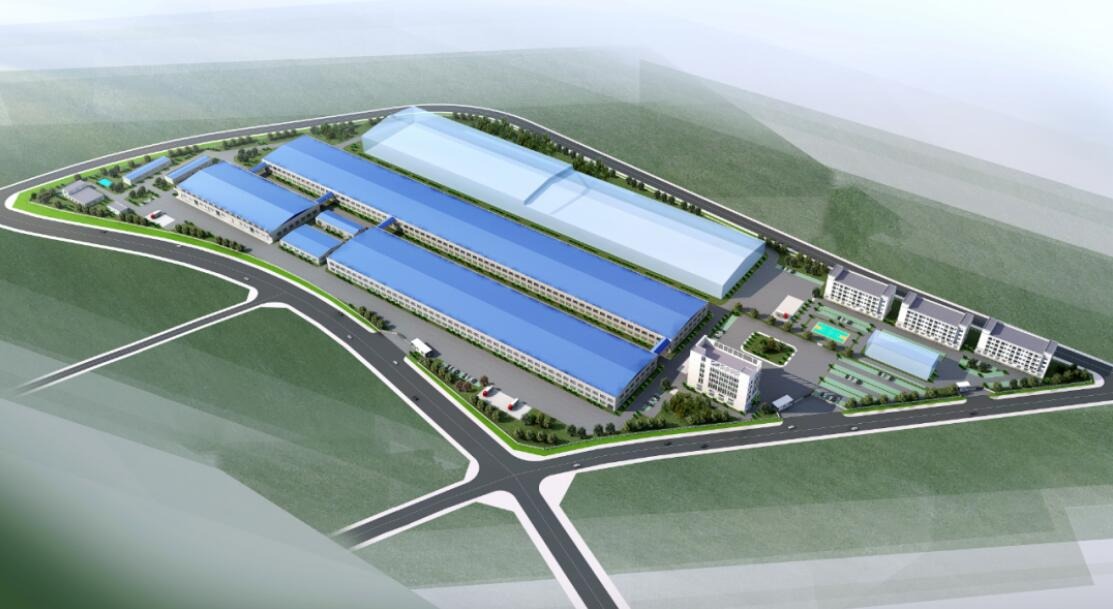
- Mass Production Milestone: A leading solid-state battery pioneer is deploying 12 GWh of dedicated factory capacity, marking a critical transition from lab-scale R&D to commercial-grade infrastructure scalability.
- The Cost-Parity Threshold: By scaling manufacturing footprint, the enterprise aims to achieve cost parity with traditional liquid electrolyte lithium-ion EV cells, neutralizing the historical cost premium of solid-state technology.
- Capital Allocation & ROI: Backed by strategic institutional capital and OEM partnerships, the initiative represents a massive de-risking event for enterprise investors targeting sustainable valuation multiples in the clean-tech sector.
- Market Disruption: Reaching parity threatens to accelerate the obsolescence of conventional liquid cells, forcing Tier-1 automakers to re-evaluate their long-term supply chain and capital allocation strategies.
For over a decade, the Holy Grail of the electric vehicle (EV) revolution has remained maddeningly out of reach: the solid-state battery. While automotive engineers and electrochemists consistently praised its superior energy density, unprecedented thermal stability, and accelerated charging metrics, commercialization was perpetually hamprered by a single, intractable bottleneck—manufacturing economics. Solid-state cells were simply too expensive, too fragile, and too difficult to produce at scale to compete with commoditized liquid electrolyte lithium-ion batteries.
That paradigm is now facing a definitive stress test. Driven by an aggressive capital expenditure cycle and a strategic blueprint to roll out 12 GWh of factory capacity, the industry is entering an era of industrial maturation. This initiative is not merely an incremental expansion; it is a calculated masterstroke designed to cross the threshold of cost parity with conventional liquid electrolyte EV cells. For institutional investors, venture allocators, and industry executives, this development triggers a mandatory reassessment of enterprise ROI, regulatory compliance pathways, and future valuation multiples across the global energy storage sector.
The Structural Impasse: Why Cost Parity Was the Ultimate Barrier
Test Our Free AI & Tech Utilities Suite
Calculate LLM API token costs, analyze article dwell-time, or simulate tech DCA returns.
To understand the magnitude of a 12 GWh manufacturing rollout, one must first examine the economic chasm that has separated solid-state architecture from standard lithium-ion production lines. Traditional liquid cells benefit from decades of optimization, highly automated roll-to-roll processing, and deeply entrenched supply chains. Gigafactories operated by battery giants globally have fine-tuned every variable of slurry mixing, coating, calendering, and electrolyte filling to drive production costs down toward the coveted $100/kWh benchmark.
Solid-state batteries, by contrast, discarded the liquid organic solvent and porous separator in favor of a solid electrolyte—often ceramic, sulfide, or polymer-based. While this eliminated fire risks and allowed for ultra-dense lithium-metal anodes, it created a nightmare for industrial engineers. Handling brittle solid separators, managing interfacial resistance under high pressure, and scaling dry-room environments pushed CapEx requirements sky-high.
Prior to this 12 GWh inflection point, solid-state production was largely confined to pilot lines producing boutique batches for aerospace or high-end performance applications. These low-volume runs suffered from abysmal yields and exorbitant per-unit overhead. Without the economies of scale unlocked by gigawatt-hour-scale factory footprints, achieving price parity was an economic impossibility. The deployment of a 12 GWh facility signals that developers have successfully translated bench-scale chemistry into robust, high-yield industrial processes.
Industrial Scaling and Capital Allocation Strategies
Executing a 12 GWh manufacturing rollout requires sophisticated capital allocation and rigorous risk mitigation. Building out gigawatt-hour capacity demands hundreds of millions—if not billions—in capital expenditure, drawing from a mix of venture equity, strategic corporate partnerships with global original equipment manufacturers (OEMs), and government-backed green energy financing.
From a financial engineering perspective, achieving cost parity at this volume scale requires optimization across three core pillars:
- Supply Chain Localization: Sourcing high-purity solid electrolyte precursors domestically to insulate operations from geopolitical trade friction and volatile commodity pricing.
- Process Yield Optimization: Minimizing scrap rates through advanced machine learning-driven quality control and automated optical inspection systems embedded within the manufacturing line.
- Equipment Capex Amortization: Partnering with tier-one machinery builders to design custom, high-speed assembly lines capable of continuous processing without sacrificing the delicate integrity of solid-state components.
By hitting the 12 GWh benchmark, the manufacturer achieves the critical mass necessary to command volume-based discounts on raw materials like lithium, nickel, and proprietary ceramic powders. This compresses the bill of materials (BOM) per kilowatt-hour, driving the unit economics directly into direct competition with legacy liquid cells.
| Metric / Parameter | Traditional Liquid Li-Ion Cell | First-Gen Solid-State (Pilot) | New 12 GWh Factory Target |
|---|---|---|---|
| Estimated Cell Cost ($/kWh) | $110 – $130 | $300 – $500+ | Parity ($100 – $115) |
| Volumetric Energy Density | 600 – 700 Wh/L | 800 – 900 Wh/L | 850+ Wh/L |
| Production Capacity Scale | 100+ GWh (Global Gigafactories) | < 0.5 GWh (Pilot Labs) | 12 GWh (Commercial Rollout) |
| Thermal Safety Threshold | Moderate (Risk of Thermal Runaway) | High (Inherent Non-Flammability) | Superior (Enterprise-Grade Safety) |
Industry & Market Implications: Winners, Losers, and Economic Shifts
The transition of solid-state battery technology from theoretical physics to a 12 GWh manufacturing reality sends powerful shockwaves across the global automotive and energy landscape. The economic ramifications will be felt acutely across multiple tiers of the industrial supply chain.
Who Wins
The primary beneficiaries are early-adopting automotive OEMs that have secured exclusive supply agreements with leading solid-state developers. Brands able to offer vehicles with 600+ miles of range, 10-minute charging times, and absolute thermal safety will capture dominant market share in the luxury and commercial fleet segments. Furthermore, specialized equipment manufacturers specializing in dry-room robotics, pressing machinery, and thin-film deposition tools will experience unprecedented revenue surges.
Who Loses
Legacy manufacturers heavily entrenched in conventional liquid electrolyte cell production face a stark strategic dilemma. Companies that failed to hedge their R&D portfolios against post-liquid battery architectures risk holding stranded assets as automotive clients pivot away from standard lithium-ion cells. Additionally, suppliers of liquid organic solvents, conventional separators, and complex thermal management cooling systems may see their addressable markets contract over the next decade.
Frequently Asked Questions (People Also Ask)
What does achieving "cost parity" mean for solid-state EV batteries?
Cost parity means that producing a solid-state battery cell costs roughly the same per kilowatt-hour ($/kWh) as producing a traditional liquid electrolyte lithium-ion cell. Historically, solid-state cells were prohibitively expensive due to low production volumes and complex material handling. Reaching parity removes the primary financial barrier preventing automakers from adopting the technology at scale.
Why is a 12 GWh factory capacity rollout significant?
A 12 GWh capacity represents the crucial bridge between boutique laboratory R&D and true industrial-scale manufacturing. While 12 GWh is still smaller than massive 50+ GWh liquid cell gigafactories, it is large enough to supply hundreds of thousands of electric vehicles annually, unlock meaningful supply chain economies of scale, and prove commercial viability to institutional investors and automotive partners.
How does solid-state technology impact EV performance and safety?
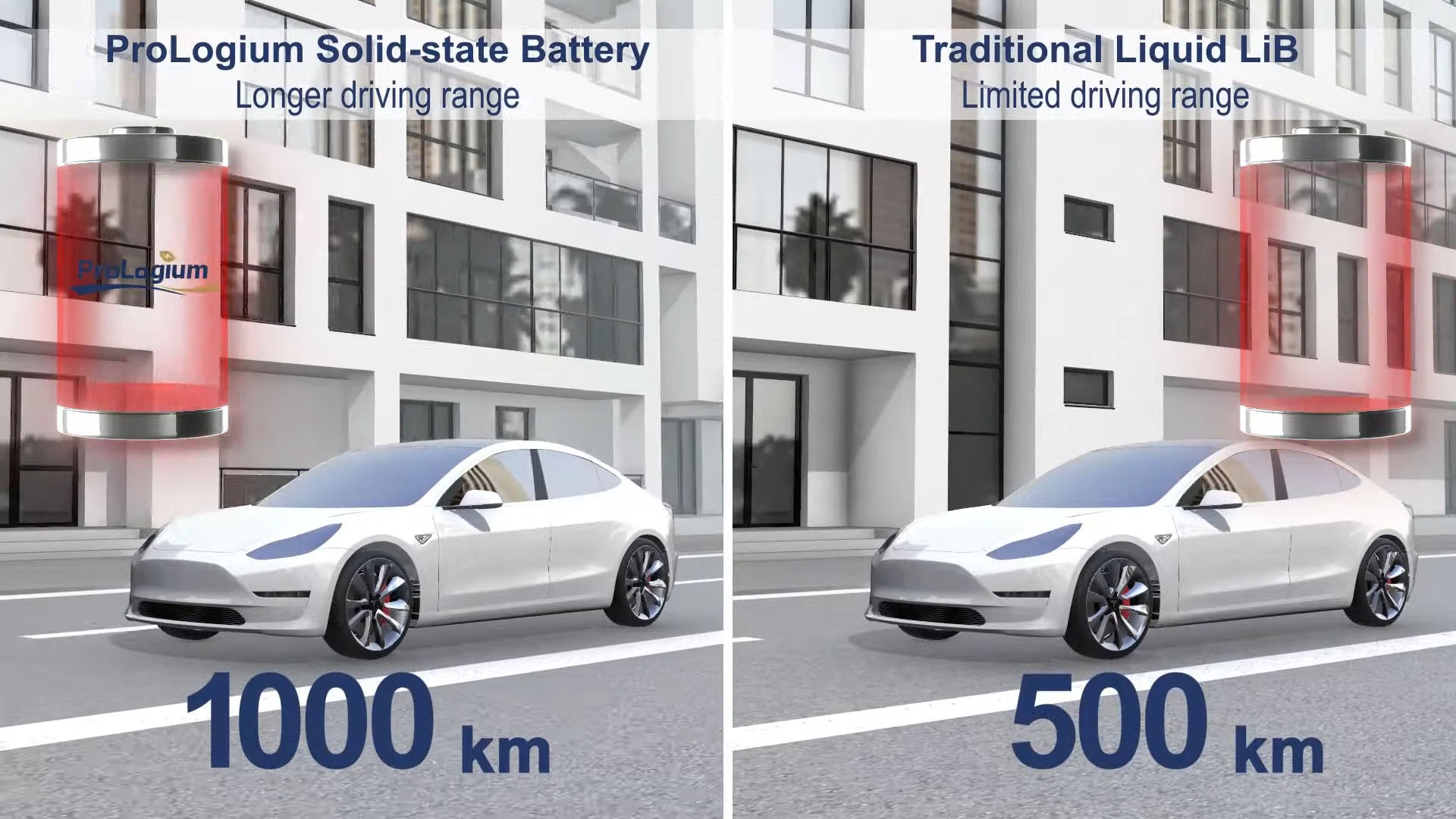
Solid-state batteries replace volatile liquid organic electrolytes with solid materials, virtually eliminating the risk of thermal runaway and fires. Simultaneously, they allow for the use of lithium-metal anodes, drastically increasing volumetric and gravimetric energy density. This translates directly to significantly longer driving ranges, faster charging times, and reduced vehicle weight.
What are the main financial risks associated with scaling solid-state production?
Key risks include high initial capital expenditures (CapEx), potential manufacturing yield bottlenecks during early line commissioning, and the rapid pace of competing battery innovations (such as advanced silicon-anode and sodium-ion chemistries). Companies must carefully manage cash burn and maintain robust OEM binding agreements to ensure healthy enterprise ROI.
Future Outlook: Milestones to Watch in the Commercialization Race
As construction and commissioning of the 12 GWh manufacturing infrastructure accelerate, analysts and investors will be tracking several critical performance indicators. First is the verified yield rate of the production lines; maintaining high yields while ramping output is the definitive test of industrial readiness. Second, field testing data from pilot vehicle integrations will validate whether laboratory performance metrics translate seamlessly to real-world driving conditions across diverse climates.
Regulatory compliance and safety certifications will also take center stage. As these cells move from factory floors to consumer vehicles, they must pass rigorous international safety standards, reinforcing their value proposition over legacy chemistry. Finally, watch for subsequent capital allocation announcements and potential public market maneuvers as early pioneers seek to cement their dominance in the next epoch of energy storage.
The rollout of 12 GWh of solid-state manufacturing capacity is more than a headline-grabbing industrial expansion—it is the tipping point of a technological revolution. By successfully breaching the cost-parity barrier, solid-state battery makers are poised to rewrite the economics of electric mobility, rendering conventional liquid cells a transitional technology of the past.