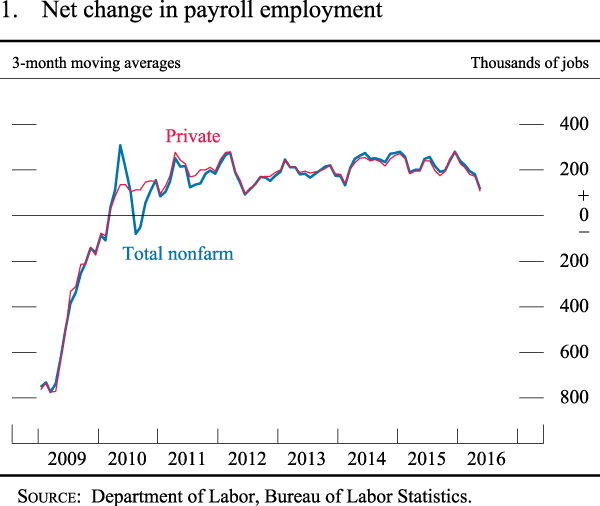
WASHINGTON — In the annals of central banking, few periods match the structural upheaval witnessed between the spring of 2020 and the summer of 2024. As reflected in foundational data from the Federal Reserve and expanded upon in subsequent supervisory analyses, the global financial system underwent a generational stress test, engineered monetary expansions, and a historic battle against inflation. For institutional asset allocators, corporate treasurers, and risk mitigation officers, understanding this arc is no longer merely academic—it is a mandatory prerequisite for optimizing capital allocation, navigating shifting valuation multiples, and maintaining regulatory compliance in a high-rate environment.
This comprehensive investigative report examines the architecture of Part 1 of the Federal Reserve’s monetary reviews, tracing the transmission mechanisms from emergency pandemic liquidity facilities to quantitative tightening, and evaluating the broader macroeconomic implications for enterprise ROI and global market liquidity.
Executive Takeaways
- Unprecedented Balance Sheet Expansion: The Federal Reserve’s assets ballooned from roughly $4.2 trillion in early 2020 to nearly $9 trillion at its peak, driven by aggressive open-market operations and emergency lending facilities designed to prevent systemic credit freezes.
- The Inflation Inflection: Initial monetary and fiscal stimulus, combined with severe supply-chain bottlenecks, triggered a multi-decade high in consumer price inflation, forcing the FOMC into its most aggressive rate-hiking cycle since the early 1980s.
- Quantitative Tightening (QT) Mechanics: The central bank transitioned from accommodative easing to systematic balance sheet runoff, draining systemic liquidity while testing the resilience of short-term funding markets, including the Secured Overnight Financing Rate (SOFR) and repo facilities.
- Corporate Capital Realities: Enterprises faced a stark valuation reset as the era of cheap capital ended, placing a premium on operational efficiency, robust cloud compute architecture optimization, and resilient supply chain infrastructure scalability.
The Catalytic Shock: From Emergency Interventions to Structural Shifts
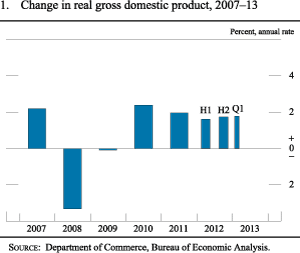
When the COVID-19 pandemic paralyzed global commerce in March 2020, the traditional mechanisms of monetary policy transmission fractured almost overnight. Primary wire sources from the Federal Reserve detail a financial ecosystem on the brink of structural collapse. Commercial paper markets seized, corporate bond spreads widened precipitously, and global investors initiated a historic dash for cash, overwhelming the market's capacity to absorb U.S. Treasury securities.
In response, the Federal Open Market Committee (FOMC) deployed an unprecedented arsenal of emergency lending facilities under Section 13(3) of the Federal Reserve Act. Programs such as the Primary Dealer Credit Facility (PDCF), the Commercial Paper Funding Facility (CPFF), and the Main Street Lending Program injected trillions of dollars of liquidity into the financial plumbing. These interventions successfully averted a catastrophic solvency crisis across corporate America, but they fundamentally altered the size and composition of the Federal Reserve's balance sheet.
As economies reopened in 2021 and 2022, this massive monetary injection collided with persistent supply-side constraints, geopolitical conflicts, and labor market imbalances. The resulting inflationary spiral—peaking at over 9% year-over-year in the Consumer Price Index (CPI)—dismantled the "transitory" narrative and forced a rapid pivot in central bank orthodoxy. The Federal Reserve initiated a steep trajectory of Federal Funds Rate hikes, moving from the zero-lower-bound to a restrictive plateau exceeding 5.25%.
Data & Metrics Breakdown
To fully grasp the magnitude of the economic and financial developments over this timeframe, institutional analysts must examine the quantitative trajectory of key monetary indicators. The table below outlines the shift from peak emergency stimulus to restrictive normalization:
| Economic Indicator | Pre-Pandemic Baseline (Jan 2020) | Peak Stimulus / Crisis Phase (2021–2022) | Normalization / Current Phase (2024) |
|---|---|---|---|
| Federal Reserve Total Assets | ~$4.2 Trillion | ~$8.96 Trillion (Peak) | ~$7.2 Trillion (Ongoing QT Runoff) |
| Federal Funds Rate Target | 1.50% – 1.75% | 0.00% – 0.25% | 5.25% – 5.50% |
| Headline Inflation (CPI YoY) | 2.3% | 9.1% (June 2022 Peak) | ~3.0% (Stabilizing) |
| Unemployment Rate | 3.5% | 14.7% (April 2020 Shock) | ~4.0% (Resilient Labor Market) |
| 10-Year U.S. Treasury Yield | ~1.60% | ~0.50% (Low) / ~4.20% (Spike) | ~4.25% – 4.50% |
Industry and Market Implications
The transition from a zero-interest-rate policy (ZIRP) regime to a higher-for-longer interest rate paradigm has created a stark bifurcation across global industries. Capital allocation strategies that thrived in the 2020–2021 liquidity boom faced immediate headwinds as cost-of-capital calculations were rewritten.
Who Wins: Institutional Yield Generators and Balance Sheet Fortresses
Major commercial banks with robust deposit franchises, money market funds, and private credit providers have emerged as structural beneficiaries of higher rates. Yield-seeking capital has flooded fixed-income assets, allowing investors to secure risk-free returns on short-duration U.S. Treasuries that were unavailable for over a decade. Furthermore, well-capitalized enterprises with minimal leverage and strong cash flow generation have leveraged their positions to acquire distressed competitors and consolidate market share.
Who Loses: Leveraged Growth and Venture Ecosystems
Conversely, sectors reliant on continuous venture funding, speculative debt financing, and compressed valuation multiples experienced severe contractions. Real estate developers, heavily leveraged private equity portfolios, and pre-revenue technology firms faced acute refinancing walls. Enterprise software buyers tightened IT budgets, demanding rigorous proof of enterprise ROI and immediate cost-optimization metrics before greenlighting new digital transformation initiatives or cloud compute architecture expansions.
Frequently Asked Questions (People Also Ask)
1. What primary factors drove the Federal Reserve's aggressive balance sheet expansion in 2020?
The expansion was driven by the urgent need to stabilize financial markets during the COVID-19 pandemic. The Federal Reserve executed massive open-market purchases of U.S. Treasury securities and agency mortgage-backed securities (MBS) to restore market liquidity, alongside specialized emergency lending facilities designed to prevent credit defaults in municipal, commercial paper, and corporate lending markets.
2. How does Quantitative Tightening (QT) impact overall market liquidity?
Quantitative Tightening is the reverse of quantitative easing. As the Federal Reserve allows maturing securities to roll off its balance sheet without reinvesting the proceeds, it absorbs dollar liquidity from the financial system. This process reduces commercial bank reserves, pushes short-term borrowing costs higher, and requires market participants to absorb a greater supply of U.S. government debt, ultimately tightening financial conditions.
3. Why did inflation surge to multi-decade highs despite initial central bank assurances?
The inflation surge was a multi-variable phenomenon resulting from an unprecedented combination of aggressive monetary expansion, historic fiscal stimulus (such as direct stimulus checks and PPP loans), persistent global supply-chain disruptions, and structural labor shortages. Demand rebounded faster than production capacity could recover, generating broad-based price pressures across energy, goods, and services.
4. What are the implications of the current "higher-for-longer" interest rate environment for corporate finance?
A higher-for-longer rate environment increases the debt-servicing costs for corporations, making debt issuance significantly more expensive than during the ZIRP era. Consequently, corporate treasurers must prioritize operational cash flow, extend debt maturity profiles carefully, and subject capital expenditure projects to much stricter hurdle rates to ensure sustainable enterprise ROI.
Future Outlook and Strategic Milestones to Watch
As the Federal Reserve navigates the delicate path toward economic soft landing, market participants must monitor several critical forward-looking indicators. The pace of balance sheet runoff, adjustments to the overnight reverse repo (ON RRP) facility, and employment data prints will dictate the timing and magnitude of future monetary easing cycles.
For executive leadership teams, operational resilience remains the ultimate currency. Organizations that successfully restructured their balance sheets, optimized their technological infrastructure, and aligned capital deployment with strict risk-mitigation frameworks are best positioned to thrive. As monetary policy normalizes into its next phase, vigilance regarding regulatory compliance, liquidity buffers, and macroeconomic volatility will separate market leaders from legacy laggards.