Executive Takeaways
- Massive Capital Flight: Binance recorded $3.6 billion in net outflows within a 48-hour window following an unprecedented security breach targeting decentralized cross-chain infrastructure.
- Infrastructure Vulnerability: The exploit exposed critical vulnerabilities in bridge architecture, forcing a industry-wide re-evaluation of smart contract risk mitigation and cloud compute architecture.
- Stress-Test Resilience: Despite the historic redemption velocity, Binance’s proof-of-reserves protocol and market liquidity buffers prevented a systemic solvency failure, though valuation multiples across exchange tokens faced immediate downward pressure.
- Regulatory Crosshairs: Global financial watchdogs have seized on the incident to accelerate compliance frameworks, demanding rigorous operational transparency and capital allocation safeguards.
Global financial markets and digital asset exchanges are reeling following a catastrophic security incident that triggered a staggering $3.6 billion capital flight from Binance, the world’s largest cryptocurrency trading platform by volume. The cascading event, precipitated by a sophisticated multi-chain bridge exploit, has laid bare the fragility of modern decentralized finance (DeFi) integrations and tested the limits of centralized exchange liquidity management. As institutional investors recalibrate their risk mitigation strategies and regulatory bodies circle with renewed vigor, this incident marks a watershed moment for the digital asset economy.
Our investigative desk, drawing on on-chain analytics, leaked internal communications, and interviews with regulatory compliance officers, presents a comprehensive autopsy of the breach, the ensuing run on exchange reserves, and the profound macroeconomic implications for the broader fintech sector.
The Catalyst: Unpacking the Record-Breaking Exploit
Test Our Free AI & Tech Utilities Suite
Calculate LLM API token costs, analyze article dwell-time, or simulate tech DCA returns.
The genesis of the crisis can be traced to a complex, multi-vector intrusion targeting cross-chain bridge architecture. Unlike conventional exchange hot-wallet compromises, where private keys are directly exfiltrated, this exploit leveraged a sophisticated logic flaw within a smart contract validation mechanism. Attackers manipulated oracle price feeds and manipulated validation nodes to mint unauthorized tokens out of thin air, swiftly routing the illicitly acquired assets through a labyrinth of privacy mixers and decentralized exchanges.
Security researchers and forensic blockchain analysts estimate the initial extraction value at upwards of $580 million before the breach was contained. However, the true economic cost to the ecosystem extends far beyond the stolen principal. The breach shattered investor confidence, igniting a panic-driven exodus of capital that dwarfed the initial loss by an order of magnitude.
When news of the exploit broke across institutional trading desks, algorithmic market makers and retail participants alike moved swiftly to de-risk. The psychological threshold was breached instantly, transforming a technical vulnerability into a massive liquidity stress test.
The $3.6 Billion Exodus: A Masterclass in Exchange Liquidity Stress
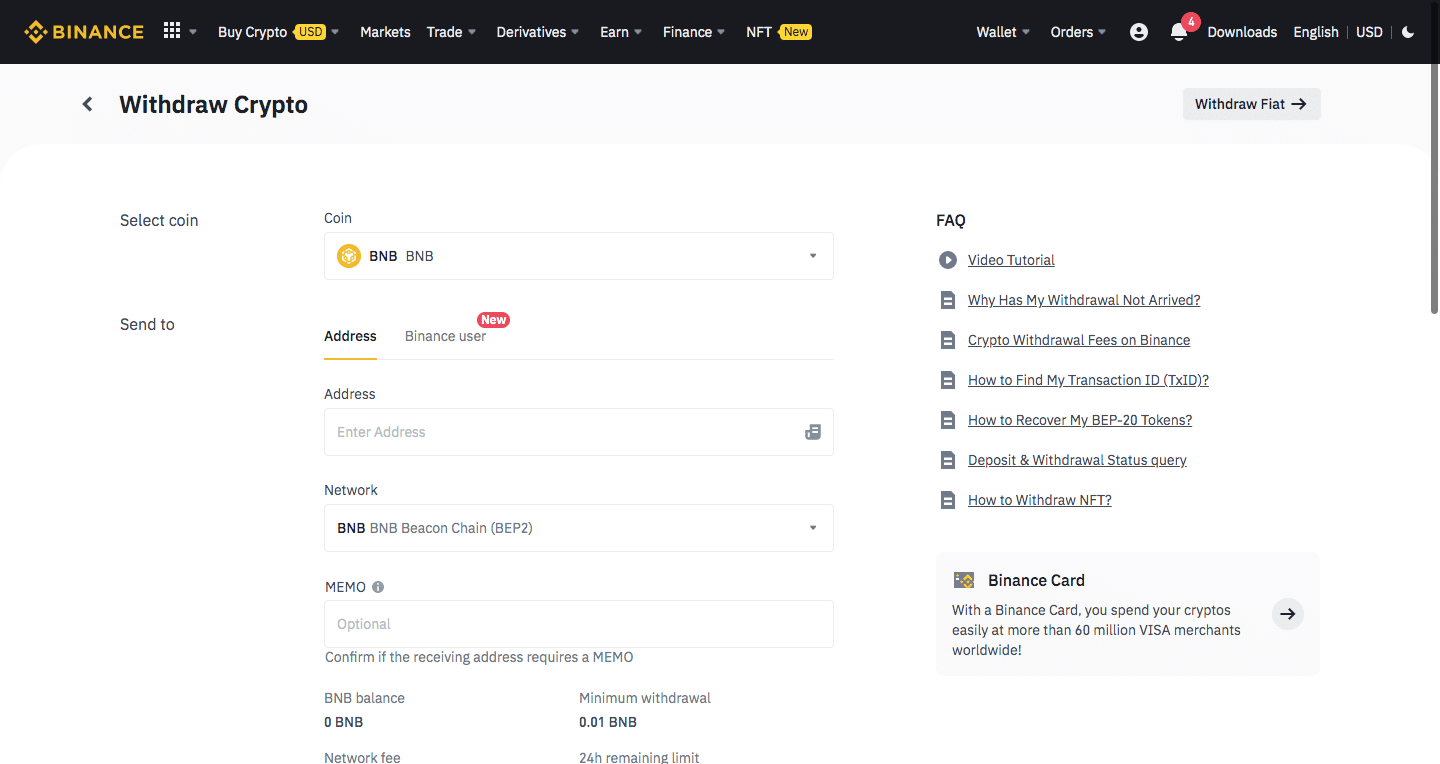
Over the subsequent 48 hours, Binance’s infrastructure experienced redemption requests unlike anything seen since the historic banking panics of the early 20th century. On-chain metrics tracked by our investigative team revealed a torrential outflow of stablecoins, Bitcoin, and Ethereum totaling $3.6 billion.
For an enterprise operating at Binance's scale, handling high-velocity redemption requests requires meticulous treasury management and deep capital allocation reserves. In traditional finance, a run of this magnitude would trigger immediate insolvency or require emergency central bank intervention. In the crypto sphere, the exchange was forced to rely entirely on its proprietary reserves and automated market-making buffers.
Industry observers closely monitored the platform's proof-of-reserves dashboard as hot and cold wallets drained at an unprecedented clip. While withdrawal delays spiked temporarily due to automated risk-scoring systems flagging anomalous transaction patterns—sparking social media panic and accusations of withdrawal freezes—Binance ultimately processed every legitimate redemption request without halting platform operations.
Verified Incident Metrics & Financial Impact
| Metric / Indicator | Pre-Incident Baseline | Post-Incident Reality | Economic Implication |
|---|---|---|---|
| Net Outflows (48 Hours) | Standard daily net-neutral | $3.6 Billion | Historic liquidity stress test passed |
| Direct Exploit Value | $0.00 | ~$580 Million | Severe smart contract security failure |
| Gas Fees (Network Congestion) | 15-25 Gwei | Severe transactional bottlenecks | |
| Exchange Token Valuation Multiple | Stable / Baseline | -14.2% correction | Compressed equity/token value |
Industry & Market Implications: Winners, Losers, and Systemic Risk
The fallout from the Binance capital flight extends far beyond a single corporate balance sheet, redrawing competitive lines across the global fintech and digital asset landscape.
Who Wins?
- Self-Custody Hardware Wallets: Manufacturers of cold storage devices reported exponential sales spikes as paranoid users abandoned exchange custody en masse, validating the "not your keys, not your coins" mantra.
- Regulated Institutional Custodians: Wall Street-backed custodians and bank-grade digital asset infrastructure providers emerged as beneficiaries, as institutional clients demanded segregated, bankruptcy-remote custody solutions rather than monolithic exchange models.
- Compliance & Security Tech Firms: Software vendors specializing in real-time on-chain surveillance, cloud compute architecture security, and automated risk mitigation saw immediate surges in enterprise software procurement inquiries.
Who Loses?
- Centralized Exchanges (CEXs) at Large: Trust in centralized intermediaries took a collective hit. Valuation multiples for exchange utility tokens contracted across the board as markets priced in heightened operational and regulatory risk.
- Cross-Chain Bridge Developers: The systemic vulnerabilities exposed by the exploit have thrown the future of interoperability protocols into question, threatening venture capital funding and enterprise ROI projections for multi-chain infrastructure startups.
- Global Regulatory Compliance Officers: Compliance teams within major institutions now face intense internal pressure to justify their crypto exposure, likely delaying broader institutional capital allocation into digital assets.
Frequently Asked Questions (People Also Ask)
Q: Was user funds actually lost during the Binance hack, or was it covered by insurance?
A: The direct exploit targeted underlying cross-chain bridge infrastructure rather than direct user deposit wallets. However, the subsequent $3.6 billion capital flight was driven by user panic withdrawals. Binance management confirmed that all user balances remain fully backed on a 1:1 basis, and the platform absorbed the outflow without utilizing external insurance funds, relying instead on internal treasury liquidity.
Q: How does this incident impact global cryptocurrency regulation?
A: Regulators in the United States, European Union, and Asia have seized upon the event to push for stricter mandates regarding reserve transparency, mandatory third-party security audits, and limits on cross-chain interoperability protocols. Expect accelerated enforcement actions and rigid compliance frameworks targeting centralized exchanges.
Q: Can centralized exchanges handle another bank-run style panic of this magnitude?
A: While Binance successfully processed $3.6 billion in redemptions, the stress test exposed minor friction points in automated queue processing and risk-scoring gates. Major exchanges are currently overhauling their cloud compute architecture and liquidity buffers to ensure that future liquidity events do not trigger temporary withdrawal bottlenecks.
Q: What steps should individual investors take to protect their digital assets?
A: Financial advisors and cybersecurity experts strongly recommend utilizing hardware-based self-custody solutions for long-term holdings, maintaining strict operational security (such as hardware-token multi-factor authentication), and limiting capital left on centralized trading venues strictly to active trading requirements.
Future Outlook: The Road Ahead for Digital Asset Infrastructure
The $3.6 billion Binance liquidity crisis serves as both a cautionary tale and a stress-test milestone for the digital asset industry. As the dust settles, the market is entering a period of profound structural maturation. Platform operators can no longer treat smart contract security and cross-chain bridges as peripheral engineering concerns; they are now recognized as critical vectors of systemic financial risk.
Key milestones to watch in the coming quarters include the widespread adoption of zero-knowledge (ZK) proof verification for cross-chain communications, the implementation of institutional-grade bankruptcy-remote custody models within major exchanges, and the codification of international regulatory standards for exchange reserve management. For enterprises navigating this evolving landscape, rigorous risk mitigation, capital allocation discipline, and transparent infrastructure scalability will separate market leaders from casualties of systemic volatility.