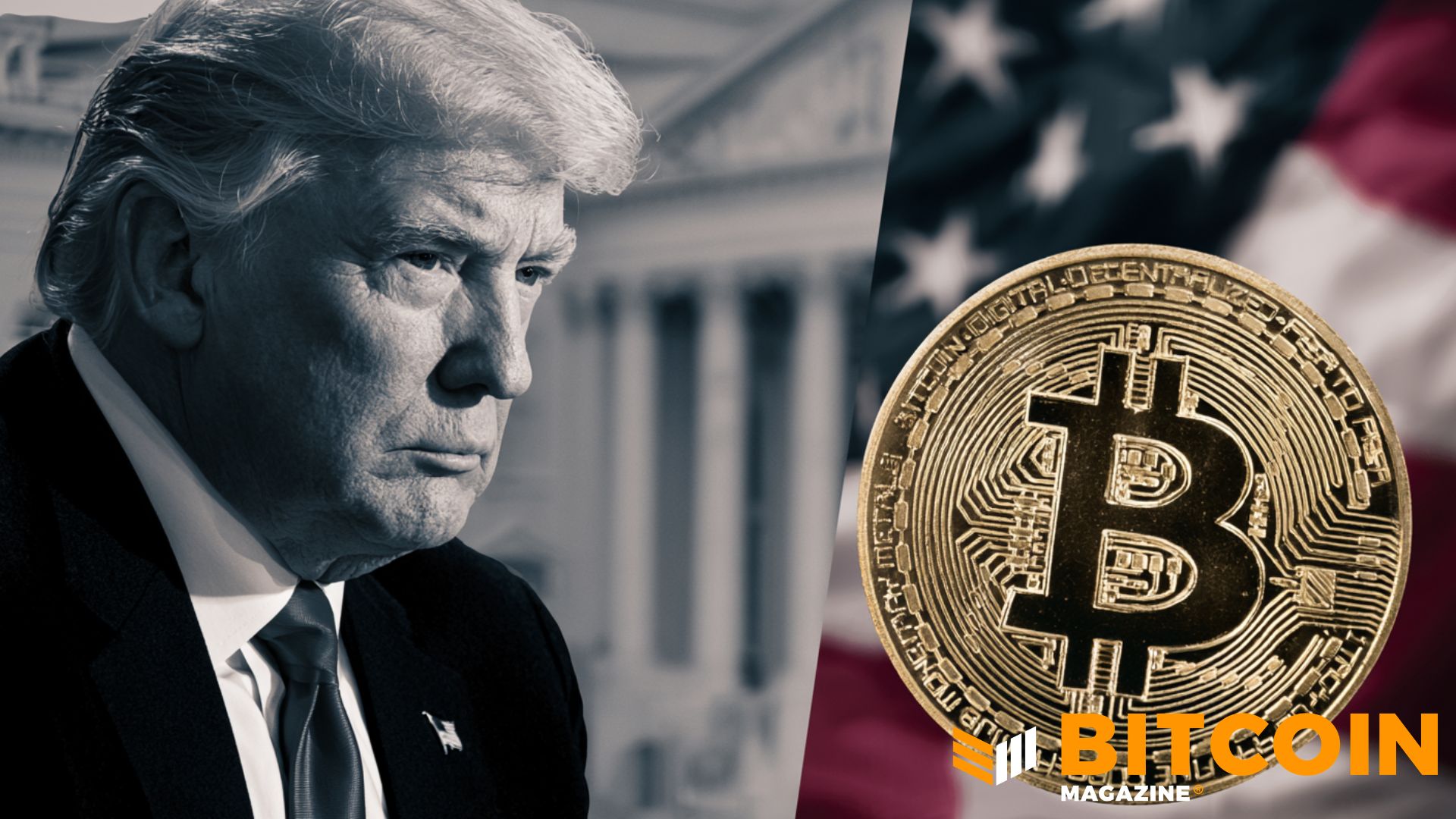
White House Directs Federal Reserve to Overhaul Payment Rail Access for Crypto and Fintech Giants
Test Our Free AI & Tech Utilities Suite
Calculate LLM API token costs, analyze article dwell-time, or simulate tech DCA returns.
WASHINGTON — In a sweeping regulatory directive that fundamentally alters the intersection of central banking and digital assets, the White House has issued an executive order compelling the Federal Reserve to review, streamline, and potentially expand direct access for cryptocurrency and financial technology firms to core federal payment rails. The move, originating from primary wire reports by Bitbo on May 20, 2026, marks a watershed moment in U.S. monetary policy, setting the stage for a profound structural realignment of capital allocation, clearing mechanisms, and regulatory compliance across global financial markets.
For years, digital asset enterprises and non-bank financial institutions have navigated a labyrinth of intermediary correspondent banking relationships, frequently citing arbitrary debanking and restricted market liquidity. By mandating a comprehensive review of Federal Reserve master accounts and access protocols, the administration aims to inject unprecedented infrastructure scalability and market efficiency into the domestic financial ecosystem. However, the directive also ignites an intense policy debate concerning risk mitigation, balance sheet exposure, and the traditional separation between commercial banking and technology innovation.
Executive Takeaways
- Direct Payment Rail Access: The executive order directs the Federal Reserve to establish transparent, standardized criteria granting qualified fintech and crypto firms direct access to master accounts and Fedwire services.
- Mitigating Intermediary Friction: The policy directly targets historic "debanking" practices, aiming to lower operational overhead, optimize capital allocation, and reduce settlement risk across digital asset markets.
- Stringent Oversight & Risk Mitigation: While expanding access, the framework mandates rigorous compliance audits, real-time liquidity monitoring, and advanced cloud compute architecture for cybersecurity verification.
- Profound Market Liquidity Impact: Enterprise-grade institutional investors and Web3 native firms stand to benefit from compressed valuation multiples on transaction costs and enhanced enterprise ROI.
The Regulatory Bottleneck: Historical Context and Catalytic Events

To understand the gravity of the May 20, 2026 executive order, one must examine the entrenched architecture of the U.S. payment system. Historically, Federal Reserve master accounts—the foundational ledger entries that allow financial institutions to settle transactions directly with the central bank without intermediary commercial banks—have been restricted nearly exclusively to federally insured depository institutions. For the burgeoning digital asset sector, this restriction created a structural bottleneck.
Throughout the early 2020s, crypto startups, stablecoin issuers, and specialized payment processors relied on a dwindling tier of friendly regional banks to interface with Fedwire and the Automated Clearing House (ACH) network. Following the systemic banking stresses of 2023, regulatory agencies intensified supervisory guidance regarding crypto-asset risks. This climate catalyzed a wave of risk-averse debanking, where traditional lenders abruptly terminated accounts associated with digital asset businesses to protect their own regulatory compliance profiles.
Fintech executives and institutional investors argued that this exclusion introduced systemic vulnerabilities. By forcing digital asset firms to route transactions through multiple intermediary layers, the legacy system paradoxically increased operational risk, inflated transaction fees, and obscured transparency. The new executive order confronts this friction head-on, instructing the Federal Reserve to modernize its evaluation framework for master account applications, ensuring that innovative non-bank institutions adhering to robust compliance standards are not systematically locked out of national payment infrastructure.
Deconstructing the Directive: Mechanics and Technical Mandates
The White House directive is not merely a symbolic gesture; it outlines a prescriptive roadmap for federal regulatory agencies. The Federal Reserve Board of Governors, alongside the Office of the Comptroller of the Currency (OCC) and the Federal Deposit Insurance Corporation (FDIC), must formulate uniform guidelines for reviewing non-bank payment provider applications within 120 days.
At the core of the technical mandate is the modernization of clearing and settlement protocols. Under the current regime, crypto firms must maintain substantial fiat reserves parked in commercial banks, introducing counterparty risk. Direct master account access enables qualifying institutions to hold reserves directly at the central bank, drastically improving enterprise liquidity management and capital efficiency.
Simultaneously, the framework introduces stringent technological prerequisites. Institutions seeking direct rail access must demonstrate enterprise-grade IT infrastructure, robust cloud compute architecture resilience, and state-of-the-art cryptographic auditing systems to satisfy anti-money laundering (AML) and know-your-customer (KYC) mandates. This dual approach aims to foster competitive innovation while safeguarding the stability of the broader financial architecture.
Verified Data and Metrics Breakdown
The following data matrix outlines the structural parameters, key stakeholders, and projected impacts associated with the Federal Reserve payment rail review:
| Metric / Parameter | Legacy Framework (Pre-May 2026) | New Executive Order Framework |
|---|---|---|
| Master Account Eligibility | Strictly limited to federally insured depository institutions and traditional banks. | Expanded to qualified fintechs, payment processors, and digital asset firms meeting strict oversight criteria. |
| Settlement Latency | Multi-tier correspondent banking delays (T+1 to T+2 for cross-border/complex flows). | Real-time settlement potential via direct integration with Fedwire and FedNow rails. |
| Intermediary Counterparty Risk | High exposure to commercial bank de-risking and arbitrary account closures. | Mitigated through direct central bank settlement and standardized compliance audits. |
| Regulatory Compliance Focus | Fragmented state-by-state licensing and ad-hoc bank risk assessments. | Unified federal review timeline (120-day implementation window) with synchronized multi-agency oversight. |
| Primary Beneficiaries | Traditional Tier-1 commercial banking institutions controlling clearing gates. | Enterprise crypto infrastructure providers, stablecoin issuers, and digital asset market makers. |
Industry and Market Implications: Winners and Losers
The structural ramifications of this executive order extend across multiple sectors of the global economy, triggering immediate strategic realignments among corporate treasuries, banking institutions, and venture capital allocators.
The Winners
Enterprise-grade cryptocurrency platforms, digital asset custodians, and institutional-facing stablecoin issuers emerge as the primary beneficiaries. By securing direct access to federal payment rails, these entities can eliminate costly intermediary fees, drastically compress transaction execution times, and optimize balance sheet liquidity. Venture capital deployment into fintech and digital infrastructure is projected to accelerate, as regulatory clarity reduces the existential threat of sudden debanking.
The Losers
Traditional correspondent banks that historically profited from acting as gatekeepers for non-bank financial institutions face compressed revenue margins. Institutions that relied on proprietary clearing moats to retain crypto client deposits will encounter heightened competition. Furthermore, legacy payment networks that fail to integrate real-time digital asset settlement capabilities risk losing market share to agile fintech competitors operating directly on modernized federal rails.
People Also Ask (FAQ)
What does the executive order direct the Federal Reserve to do regarding crypto firms?
The executive order directs the Federal Reserve to establish clear, standardized, and transparent criteria allowing qualified cryptocurrency and fintech firms to apply for and obtain direct access to Federal Reserve master accounts and core payment rails, such as Fedwire, thereby bypassing traditional commercial banking intermediaries.
Why is direct access to Fed payment rails important for digital asset companies?
Direct access eliminates reliance on intermediary correspondent banks, which frequently engaged in arbitrary "debanking." It reduces settlement latency, lowers transaction costs, mitigates counterparty risk, and allows digital asset enterprises to manage liquidity more efficiently by holding reserves directly at the central bank.
Does this order bypass banking regulations and compliance checks?
No. The directive explicitly mandates rigorous risk mitigation, requiring applicant firms to maintain state-of-the-art cybersecurity architecture, robust anti-money laundering (AML) controls, and comprehensive compliance audits overseen by federal regulators.
How will this impact traditional banking institutions?
Traditional banks that act as clearing intermediaries for non-bank fintechs may see a reduction in custodial deposits and fee revenue. However, it also levels the competitive playing field, forcing traditional institutions to innovate and improve their own digital settlement offerings to retain enterprise clients.
Future Outlook and Strategic Milestones
As the 120-day federal review window progresses, financial markets will closely monitor the specific rule-making output from the Federal Reserve Board of Governors and participating regulatory bodies. The success of this policy will depend heavily on how prudently regulators balance the imperatives of market innovation with systemic risk mitigation.
Key milestones to watch include the formal release of application guidelines for non-bank master accounts, the initial cohort of fintech applicants to undergo review, and potential legislative pushback or judicial challenges from traditional banking lobbies. If implemented successfully, this executive order could permanently redefine the plumbing of the global financial system, cementing digital assets as an institutionalized cornerstone of modern monetary infrastructure.