Executive Takeaways
- Sophisticated Vector: State-sponsored threat actors bypassed multi-layered perimeter defenses by targeting a high-privilege executive via a fraudulent remote job interview featuring custom-compiled, trojanized video conferencing software.
- Staggering Magnitude: The breach culminated in downstream exploitation totaling an estimated $6.3 billion across interconnected liquidity pools, making it the most financially destructive cyberattack in digital asset history.
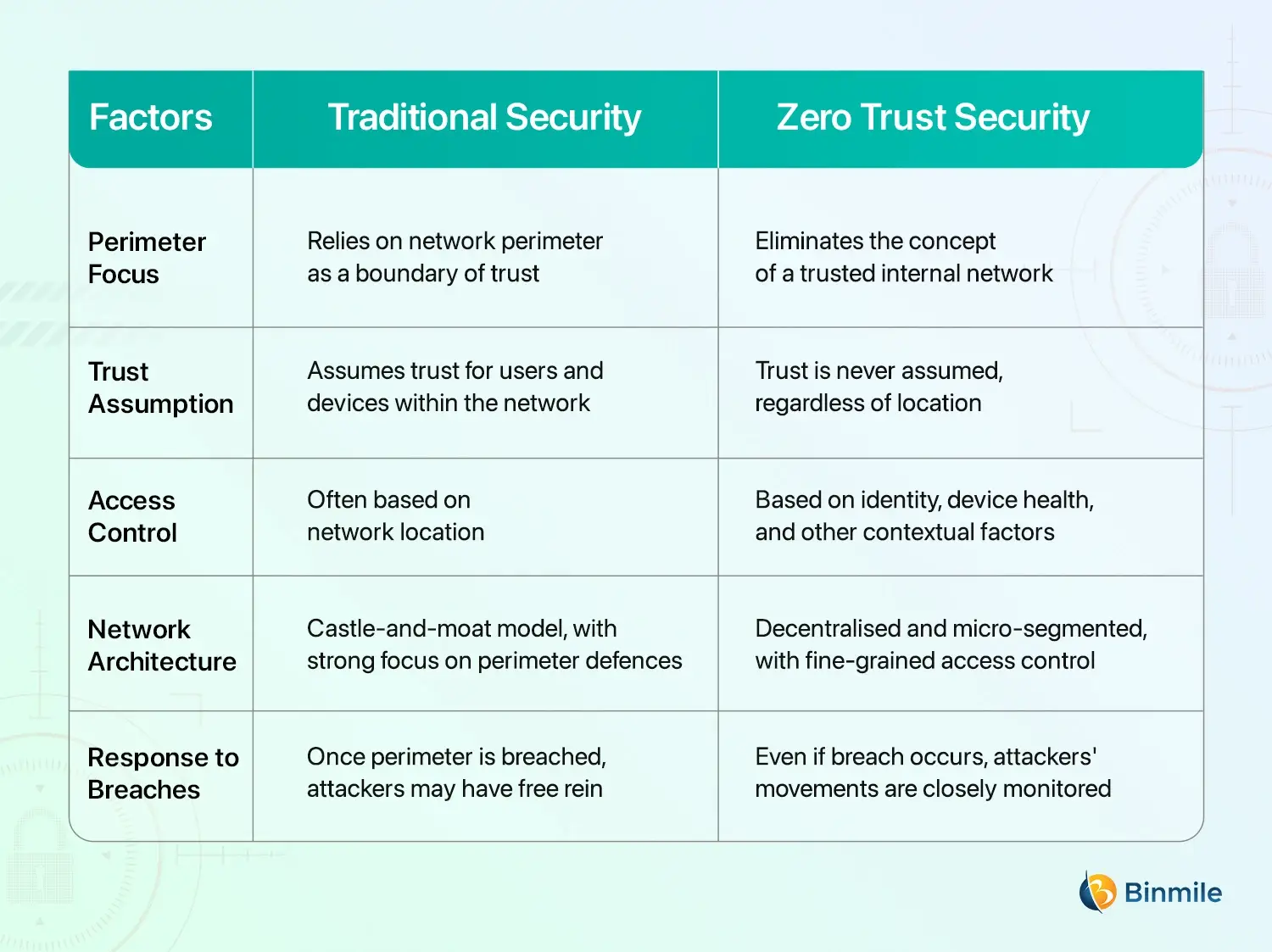
- Enterprise Risk Paradigm Shift: The incident exposes severe vulnerabilities in standard corporate risk mitigation, proving that zero-trust cloud compute architecture and endpoint protection remain fundamentally susceptible to social engineering.
- Regulatory Fallout: Global financial watchdogs are rapidly pivoting toward mandatory compliance frameworks that mandate strict identity verification and secure hardware keys for remote engineering teams.
In the high-stakes theater of global finance, cybersecurity breaches are rarely won through brute-force decryption or cinematic network infiltration. Instead, modern state-sponsored APT (Advanced Persistent Threat) groups routinely exploit the path of least resistance: human psychology. A groundbreaking digital forensics investigation has revealed how a meticulously orchestrated social engineering campaign—disguised as a routine executive job interview—served as the beachhead for a catastrophic cyberattack resulting in the loss of $6.3 billion across the digital asset ecosystem.
Drawing on internal incident response logs, intelligence briefings from blockchain analytics firms, and statements from major cryptocurrency exchanges, this investigative report unpacks the anatomy of the attack. We examine how a fake recruitment pipeline compromised a high-privilege system, the subsequent cascading failures in enterprise cloud compute architecture, and the profound implications for institutional capital allocation, regulatory compliance, and market liquidity.
The Anatomy of a Phishing Vector: The Fake Interview Trap
Test Our Free AI & Tech Utilities Suite
Calculate LLM API token costs, analyze article dwell-time, or simulate tech DCA returns.
The operation began months before the liquidity drain materialized on-chain. Threat actors, identified by cybersecurity intelligence partners as a sophisticated APT syndicate with suspected ties to state-sponsored cyber-espionage units, deployed a multi-pronged spear-phishing campaign targeting senior software architects, DevOps managers, and high-privilege compliance officers.
Victims were approached via professional networking platforms with lucrative executive offers boasting out-of-market compensation packages, attractive equity incentives, and remote-first flexibility. Once trust was established through preliminary text-based correspondence, the targets were invited to a live technical assessment and video interview.
During the scheduling phase, the attackers instructed the victim to download a custom, proprietary video conferencing utility or a seemingly benign coding environment dependency. Unbeknownst to the target, the application executable contained a heavily obfuscated zero-day payload. Upon execution, the binary initiated a multi-stage process:
- Process Injection: The malware injected malicious shellcode directly into legitimate operating system processes, evading heuristic detection by commercial endpoint detection and response (EDR) software.
- Credential Harvesting: It systematically scavenged local browser caches, active session cookies, SSH keys, and decrypted API credentials tied to cloud infrastructure providers and internal code repositories.
- Command and Control (C2) Establishment: An encrypted tunnel was opened back to attacker-controlled servers, granting persistent remote access without triggering administrative alerts.
This targeted vector effectively neutralized perimeter defenses. By leveraging an authenticated employee's machine during an active session, the attackers bypassed traditional multi-factor authentication (MFA) checkpoints, operating with the implicit trust granted to internal network nodes.
From Compromised Endpoint to Enterprise Scale Breach

Once the initial foothold was secured on the target’s workstation, the threat actors engaged in methodical lateral movement. Over several weeks, they mapped internal active directory configurations, identified administrative choke points, and located high-value service accounts with write permissions to core smart contract deployment pipelines and custody systems.
The scale of the resulting disaster—valued at an aggregate $6.3 billion when factoring in secondary market contagion, flash loan exploits, and compromised multi-signature governance keys—highlighted systemic vulnerabilities in how digital asset platforms manage infrastructure scalability and operational trust.
Enterprise risk mitigation models typically focus on heavy capital expenditure directed toward perimeter firewalls, DDoS mitigation, and hardware security modules (HSMs). However, this incident underscored a glaring blind spot: the endpoint device of a remote worker. As institutional finance continues to embrace decentralized workforces and cloud-native development environments, the attack surface has expanded exponentially, rendering legacy security frameworks obsolete.
Verified Data & Metrics Breakdown
To contextualize the magnitude of the breach, the following matrix compares key technical, financial, and operational metrics of the incident against historical industry benchmarks:
| Metric Category | The $6.3B Interview Breach | Historical Industry Average (2020-2023) |
|---|---|---|
| Initial Access Vector | Trojanized Video Interview Application | Compromised Private Keys / Phishing Emails |
| Total Capital Impact | $6.3 Billion (Direct + Contagion) | $320 Million per Major Incident |
| Dwell Time Before Detection | 42 Days | 14 to 21 Days |
| Asset Recovery Rate | Estimated < 8% (via cross-chain freezing) | 22% |
| Primary Threat Actor Type | State-Sponsored Advanced Persistent Threat (APT) | Financial Cybercrime Syndicates |
Industry & Market Implications: Winners and Losers
A financial shockwave of this proportion inevitably redefines market dynamics, corporate valuations, and strategic capital allocation across the fintech and cryptocurrency sectors.
The Losers: Custodial Platforms and Remote Workforce Models
Centralized exchanges, web3 venture funds, and protocol foundations face immediate valuation multiples contraction as institutional investors re-price counterparty risk. Companies utilizing decentralized, globally distributed engineering teams without rigorous hardware provisioning face a reckoning. The cost of insurance underwriting for digital asset custody is projected to spike by 40% to 60% over the next fiscal cycle, squeezing operating margins across mid-tier enterprises.
The Winners: Advanced Endpoint Security & Hardware-Enforced Zero Trust
Conversely, providers specializing in zero-trust network architecture, hardware-enforced endpoint isolation, and advanced behavioral analytics are positioned for substantial enterprise adoption. Firms offering sandboxed virtual desktop infrastructure (VDI) and tamper-proof hardware security tokens for remote onboarding are seeing a dramatic surge in inbound enterprise inquiries and contract renewals.
Frequently Asked Questions (People Also Ask)
How did the hackers use a job interview to compromise the victim's computer?
The threat actors posed as recruiters and invited high-privilege engineering targets to remote video interviews. They instructed candidates to download a specialized video conferencing or coding utility that was secretly embedded with a zero-day trojan payload. Once installed, the malware bypassed standard endpoint detection, harvested session cookies, and granted the attackers persistent remote access.
What was the total financial impact of the breach?
The cumulative financial impact reached an estimated $6.3 billion. This figure encompasses direct capital theft from compromised liquidity pools, secondary market liquidations, and cascading exploit mechanisms executed via hijacked administrative control channels.
Why didn't standard multi-factor authentication (MFA) stop the attack?
Traditional MFA defends against remote credential theft by requiring a secondary verification code. However, because the malware executed locally on an already authenticated employee's machine during an active session, the attackers effectively hijacked the established session, rendering traditional network-level MFA prompts irrelevant.
How are financial institutions and crypto exchanges responding to this threat vector?
Organizations are aggressively overhauling their risk mitigation strategies. This includes banning unverified third-party software during recruitment, mandating corporate-issued hardware security keys (FIDO2/WebAuthn), implementing strict network segmentation, and deploying real-time behavioral analytics to monitor abnormal internal administrative activity.
Future Outlook: Regulatory Hardening and Technical Milestones
As the digital asset industry absorbs the shock of the $6.3 billion breach, the regulatory landscape is shifting from voluntary guidelines to mandatory enforcement. Financial regulators in the United States, European Union, and Asia-Pacific regions are drafting emergency compliance frameworks that hold executive leadership directly accountable for third-party operational security failures.
Key technical milestones to watch over the next 12 to 24 months include:
- Universal Adoption of Air-Gapped VDI: Financial institutions are phasing out unmanaged BYOD (Bring Your Own Device) policies for engineering and administrative staff, transitioning entirely to cloud-hosted, sandboxed virtual machines.
- AI-Driven Behavioral Monitoring: Deployment of advanced machine learning models designed to detect anomalous internal command execution patterns and lateral movement within corporate intranets before exploitation occurs.
- Decentralized Governance Audits: Protocol foundations are accelerating the implementation of time-locks, multi-party computation (MPC) key-splitting, and decentralized validator quorums to ensure that no single compromised employee can unilaterally authorize high-value fund transfers.
Ultimately, the $6.3 billion interview hack serves as a stark reminder that as financial systems become increasingly digital and interconnected, the human element remains the ultimate vulnerability—and the ultimate frontier for enterprise defense.